






The Fourth Amendment states:
The right of the people to be secure in their persons, houses, papers, and effects, against unreasonable searches and seizures, shall not be violated, and no warrants shall issue, but upon probable cause, supported by oath or affirmation, and particularly describing the place to be searched, and the persons or things to be seized.
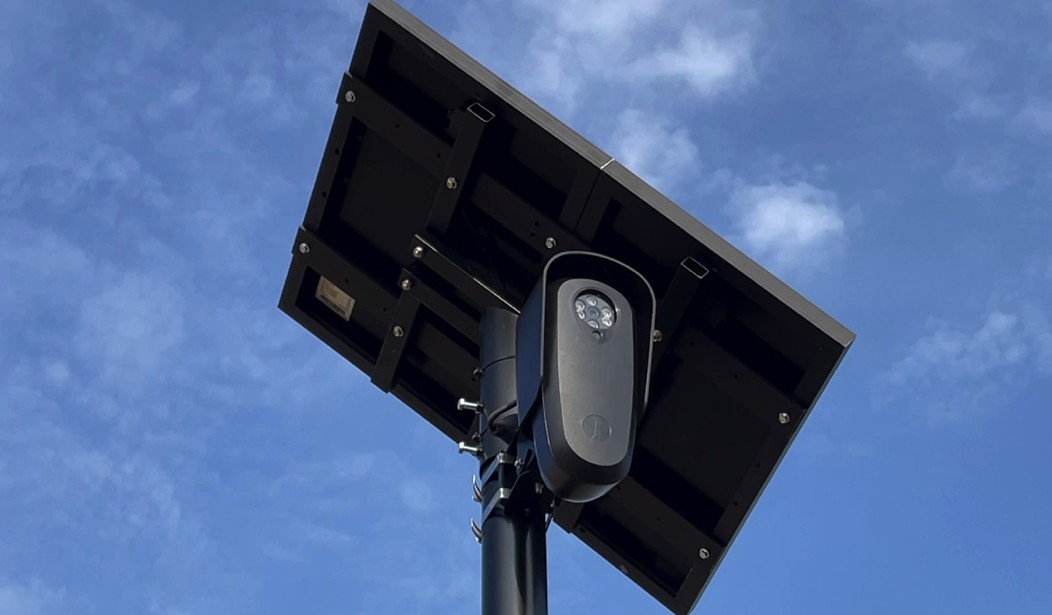
Well, now there's this: A company called SignalTrace has cooked up a way to link automated license plate readers with a device that gathers other "electronic signatures," like, say, your cellular phone, or your smartwatch. (They have smartwatches now? Who knew?) This tech is, of course, intended to be marketed to law enforcement, and the use of tech like this by law enforcement sure seems to me like it has its toes right up on the line of the Fourth Amendment.
Imagine that you share a ride to work with the same colleague most mornings. As it passes by a license plate reader, the camera records the car, which can be linked through vehicle records to its registered owner. Beside it, another sensor detects signals broadcast by devices traveling nearby, such as your phone and your colleague’s smartwatch.
After enough trips, software may treat some of those devices as a recurring electronic signature associated with the vehicle. Weeks later, one of the same device signals appears alongside a different car connected to an investigation. The signal itself may not contain its owner’s name, but its previous association with a known vehicle gives investigators another clue they can use to work out who was carrying the device.
OK, but why? To what end? And by whom? Who watches the watch... devices? This seems to me to be something of an invasion of privacy; it's recording data from my personal devices, which, regardless of the data, seems an awful lot like a search. The fact that it's done by a robot doesn't change things. Not if it's any governmental agency running the robot in question.
SignalTrace, a system marketed by the security company Leonardo, is designed to work alongside automatic license plate readers. The company says it can recognize groups of consumer devices that regularly move together, then associate them with license plate records and time-stamped locations. The pattern can then be searched even when a police investigator does not know the plate number.
Ah - a police investigator.
I appreciate, of course, that emerging new technologies can be of great assistance in tracking crooks, punks, thugs and other malefactors down and bringing them in. That's great. But we also have to consider the possible intrusions into people's privacy. It's none of the government's business when or with whom anyone is driving anywhere.
This seems something of an expansion of the current fuss over Flock cameras, which appear to be near-ubiquitous in the nation's more urban and suburban areas. Sure, some bad guys have been caught because of surveillance videos, and some (many, I'm sure) businesses in those areas use cameras to monitor their own private property. We have trail cams on our property to catch images of wildlife, after all. But that's private property. To attain the kind of things this SignalTrace technology is apparently intended for, it would necessarily be set up to monitor private citizens going about their business on the public sidewalks and roadways.
That, you know, is a whole different Fourth Amendment kettle of fish.
If this technology is sold to businesses, or to homeowners, or for any other private persons or operations, fine. But I have real reservations about the use of these in law enforcement.
Editor's Note: Do you enjoy RedState's conservative reporting that takes on the radical Left and woke media? Support our work so that we can continue to bring you the truth.
Join RedState VIP and use promo code FIGHT to receive 60% off your membership.



Join the Conversation
VIP members get the ability to comment on articles.