






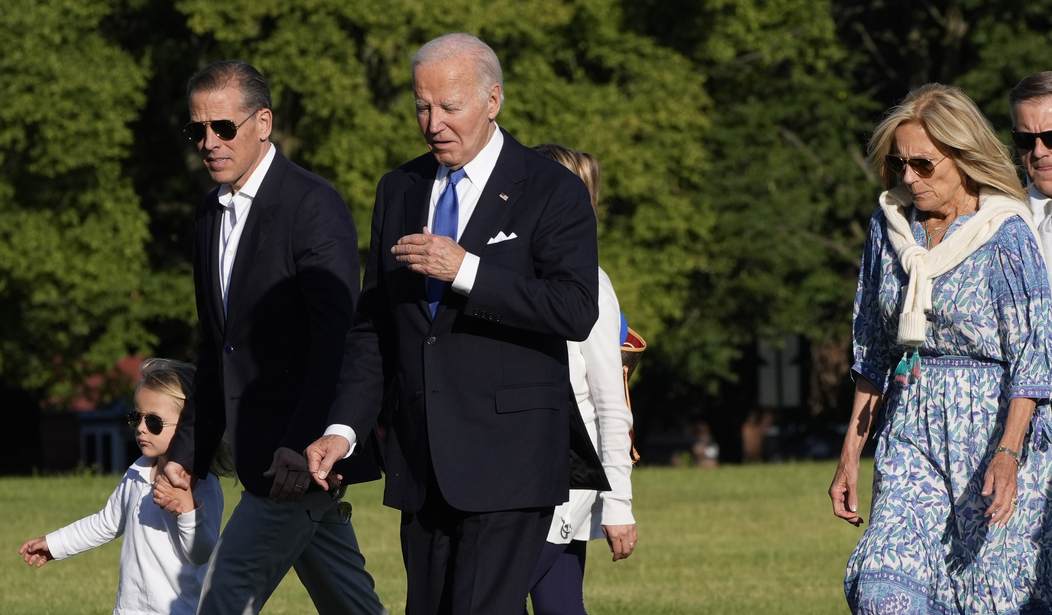
Hunter Biden used a BBC Newsnight interview broadcast this week to say two things his family had mostly danced around before. His father’s cancer has spread. And the pardon that spared him prosecution wasn’t good for the country.
Asked directly whether the decision was good for the Constitution, the American people, or his father’s legacy, Hunter didn’t dodge. “No, on all counts,” he said. “It was not.”
Joe Biden’s Cancer Has Spread
Hunter confirmed his father’s prostate cancer, first disclosed in May 2025, has “spread, metastasized into his bones and further.” He described it as “very painful” and “very debilitating,” growing visibly emotional.
“The only thing that I’d say about my dad, about his health right now, is I wish he would complain more, because it’s not good,” he said.
That disclosure lands on top of a debate that started long before the diagnosis became public. Biden, who left office as the oldest man to ever hold the presidency, spent his final year facing sustained scrutiny over his mental sharpness and physical stamina. The White House and his inner circle dismissed that criticism as partisan or ageist at the time.
Dr. Ezekiel Emanuel, an oncologist who served on Biden’s COVID-19 advisory board, told MSNBC’s “Morning Joe” when the diagnosis was first announced in May 2025 that a cancer this advanced likely developed years before it was disclosed, potentially as far back as the start of Biden’s presidency in 2021.
Hunter also revisited the June 2024 debate that effectively ended his father’s reelection campaign, saying he sensed something was wrong the moment he watched it from California. He has previously attributed that poor performance to travel fatigue. But he has also said, separately from this interview, that he’s questioned whether the cancer was already affecting his father at the time.
Hunter Admits the Pardon Was Wrong
Joe Biden spent years telling reporters and voters he would not use his presidential power to shield his son from prosecution. He reversed that position in the final weeks of his term, issuing a full and unconditional pardon covering Hunter’s felony gun conviction, the nine federal tax charges he’d pleaded guilty to, and any federal offense committed between 2014 and 2024. At the time, the White House framed the decision as correcting a “selectively and unfairly prosecuted” case.
Hunter offered a different framing to the BBC. He called himself “the most privileged person there is” and said the criticism was earned. “It’s something that is easily criticized, and for good reason,” he told interviewer Paddy O’Connell. “I can’t pretend otherwise.”
He also pushed back on the idea that the decision was calculated or coordinated in advance, insisting he and his father never discussed a pardon before it happened.
“There is no way that you can have those kinds of discussions that would not become public,” he said. Whether that claim holds up is a fair question for readers to weigh on their own, given how tightly the Biden White House controlled information during the president’s final year in office.
Hunter’s defenders point out that presidents have granted controversial clemency to family and allies before, including Donald Trump’s 2020 pardon of Charles Kushner. But Joe Biden spent his campaign and much of his presidency promising the opposite outcome, then delivered it anyway once his own exit from politics made the political cost irrelevant.
Former President Biden is expected to publish a memoir, “Promise Me, America,” after the midterm elections. Whether it addresses the gap between what Hunter told the BBC and what the public was told in real time is an open question. So far, that account has come from Hunter, not from Joe Biden or his former physicians.
Editor's Note: Do you enjoy RedState's conservative reporting that takes on the radical left and woke media? Support our work so that we can continue to bring you the truth.
Join RedState VIP and use promo code FIGHT to receive 60% off your membership.
Join the Conversation
VIP members get the ability to comment on articles.