



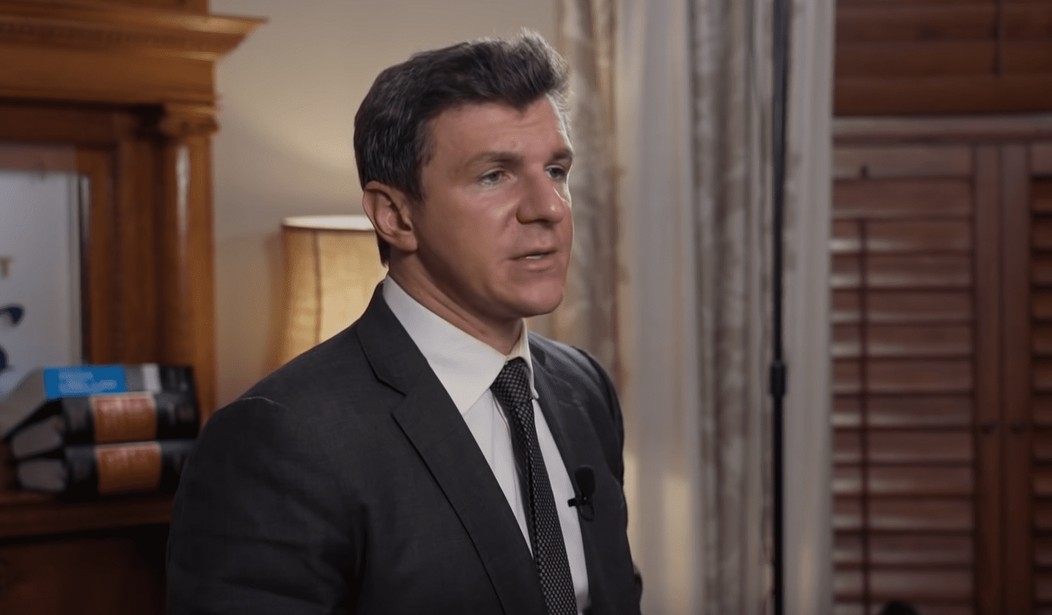
James O’Keefe and Cam Higby walked into Minneapolis polling places during Minnesota’s August primary dressed in traditional Muslim clothing and using accents. They gave the names of registered voters, some of them deceased, and asked about the state’s vouching process. They recorded the exchanges on hidden cameras. They never signed the required oaths. They never cast ballots.
Weeks later, Hennepin County Attorney Mary Moriarty — a progressive prosecutor with a history of prioritizing activist agendas over traditional public safety — charged both men with felony unlawful voting and identity theft.
Minnesota’s vouching law lets a registered voter in a precinct confirm the residence of up to eight others so those people can register and vote on Election Day. The process has existed for decades. Officials note it is used in a tiny fraction of ballots and still requires other forms of identification. Poll workers noticed the men’s strange behavior, reported it, and the system flagged the activity. That is the official account: The safeguards worked.
CAUGHT INSIDE MINNEAPOLIS POLLING BOOTHS: Minnesota Poll Workers Tell O’Keefe, Dressed in Muslim Garb, & @camhigby, in a Burka, That They Can Vouch for Eight Unregistered Voters Without ID, Allowing Them to Vote in Minnesota Primary Election Election worker says, “You’re the ID,” referring to the registered voter serving as identification for the people they are vouching for. Election worker confirms O’Keefe’s question about unregistered voters being vouched for: “I can vouch for them. They are not registered… That’s okay. That’s fine. Yeah!” Election worker explains that a registered voter in the same precinct can vouch for up to eight people: “If you’re all in the same precinct and you are already registered, you can vouch for them as ID. Eight people.” More reports coming soon from the Justice League. @realmuckraker @anthonyjrubin @camhigby @ctznjusticelg
— James O'Keefe (@JamesOKeefeIII) August 13, 2026
Yet the decision to pursue felony charges against people who stopped short of voting raises a larger question about the space left for citizens who want to examine election procedures for weak points. O’Keefe and Higby set out to test whether the vouching rules could be gamed.
Their method was theatrical and offensive to liberals. Still, the act of probing public systems with cameras and questions has long been part of how problems surface. Treating the probe itself as the primary crime risks teaching the wrong lesson.
🚨 BREAKING: Journalists James O’Keefe and Cam Higby have been hit with TWO FELONY CHARGES in Minneapolis for their video EXPOSING vulnerabilities in Minnesota’s elections This is TOTAL LAWFARE! @camhigby walked in wearing a burqa to show they’d let him vote with a WOMAN’S name with NO questions asked, and he could even “vouch” for some other unregistered “Muslim” (who was @JamesOKeefeIII in a costume) NEITHER of them voted. The charges include felony unlawful voting and identity theft. It’s a WITCH HUNT to try to SCARE OFF conservative journalists, and nothing more. DO NOT BE DETERRED! https://t.co/UTAlbGwKJ9
— Nick Sortor (@nicksortor) October 28, 2026
This pattern is not limited to one stunt in Minneapolis. Minnesota and California have created environments that make it harder for independent investigators to document potential crimes and fraud. In Minnesota, massive fraud schemes involving child-care subsidies, nutrition programs, and other public funds, some linked to overseas networks, have drawn national attention.
Citizen videos and reporting helped push these issues into wider view, proving that undercover oversight is often the only thing that prompts federal scrutiny. When progressive prosecutors criminalize undercover methods at polling sites or sensitive locations under the guise of enforcing reporting rules, the practical result is shielding these very networks and systemic vulnerabilities from public exposure.
This is what happens when you embarrass those in charge. Instead of admitting their faults, they use their power to punish the ones who pointed out the faults. The same thing happened to Jesus when he pointed out the faults of the Pharisees. Instead of admitting Jesus was right and fixing their faults, they killed him.
— Kevin Mooneyhan (@kevinmooneyhan) October 28, 2026
California presents similar obstacles. Strict recording and consent rules, combined with aggressive enforcement priorities, raise the cost of independent work that targets public programs. Investigators looking into homelessness spending, healthcare billing, or other high-dollar streams often face legal and bureaucratic barriers that professional newsrooms with large legal teams can absorb more easily than individual citizen journalists.
When the subjects of that scrutiny include fraud that moves money across borders, aggressive prosecution of investigators serves to protect potential misconduct from timely public examination.
Election integrity depends on more than trusting the people who run the system. It depends on the ability of outsiders to test the rules under real conditions. Vouching exists for a reason: to help eligible people who lack certain documents. It also creates an opening that determined actors could exploit.
Documenting how that opening works in practice is not the same as committing fraud. Charging the documenters with felonies while celebrating that “the system worked” sends a clear signal. The preferred response is to report concerns through official channels and wait. History shows official channels sometimes move slowly or not at all.
The better path is straightforward. Laws against actual ballot fraud and identity theft must be enforced. At the same time, states should leave room for good-faith testing that stops short of casting illegal votes. Minnesota and California can protect polling places without turning every camera and pointed question into a potential felony.
Public confidence grows when citizens can examine the process, not when the examination itself becomes the offense. The charges against O’Keefe and Higby will play out in court. The broader question remains whether states serious about secure elections will treat independent scrutiny as a threat or as a necessary check.
Editor’s Note: Republicans are fighting for election integrity by requiring proper identification to vote. It's common sense, yet Democrats are spreading lies about the impact of such a measure.
Help us continue to call out these lies by joining RedState VIP and using promo code FIGHT to receive 60% off your membership.
Join the Conversation
VIP members get the ability to comment on articles.