
The United Kingdom has a long history. The whole thing began with the Acts of Union in 1707, which united the Kingdom of England and the Kingdom of Scotland, creating the Kingdom of Great Britain. In 1801, the Kingdom of Great Britain united with the Kingdom of Ireland, and then in 1927, the name was changed to the United Kingdom of Great Britain and Northern Ireland. That's a lot of history, and through most of that history, the Kingdom was a major global power, with a great and powerful navy that enforced a Pax Britannica on the world's oceans, and which had an empire on which the sun never truly set.
That sun has set now, though, and the United Kingdom is a pale shadow of what it was as recently as 1945. Now, in 2026, there are signs that the United Kingdom may not be as united as an outside observer might think.
In fact, the leaders of Scotland, Ireland and Wales are meeting now to talk about disuniting the United Kingdom. It's an interesting, if unlikely, possibility. The British Telegraph broke the news of that meeting.
The leaders of Scotland, Wales and Northern Ireland will gather on Monday to sign a deal designed to kick-start the break-up of the United Kingdom, The Telegraph can disclose.
At an unprecedented summit in Cardiff, the three first ministers will put pen to paper on a joint declaration demanding the right to hold independence referendums.
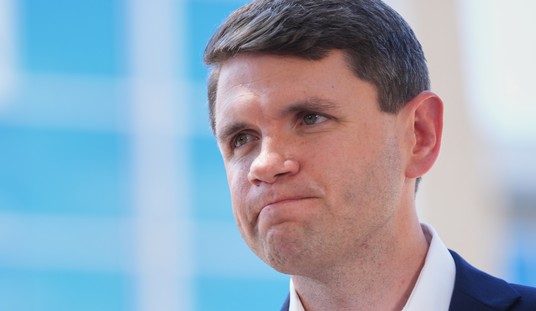
The meeting comes after Andy Burnham suggested to MPs that he would authorise another Scottish referendum if there were a “clear consensus” in favour of one.
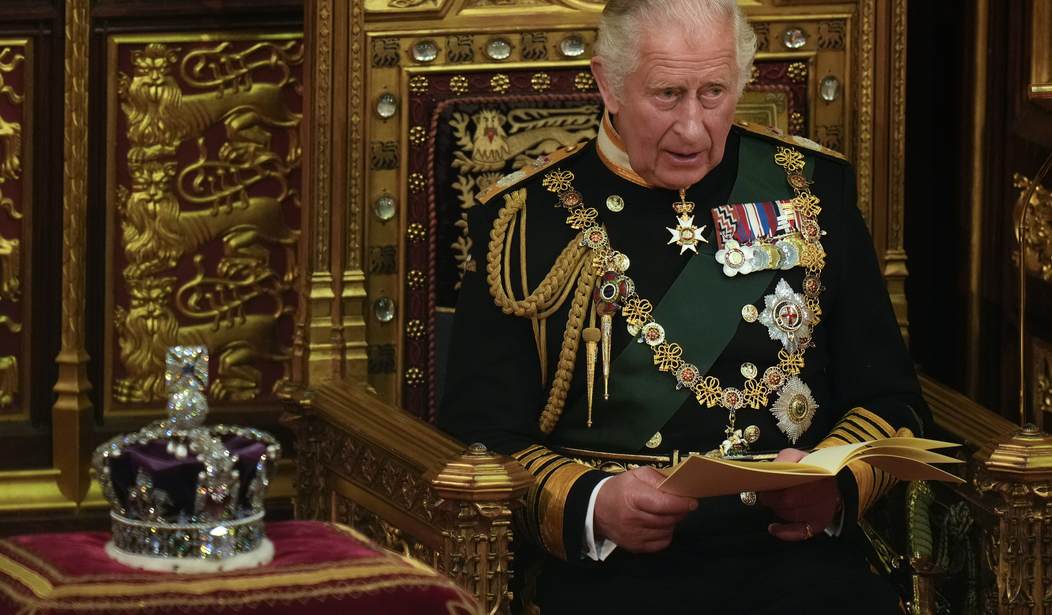
The last referendum on independence for Scotland was in 2014, and it wasn't a close vote; 55 percent of Scottish voters favored remaining part of the United Kingdom, while 45 percent voted for disunion. But this meeting includes the historically independent areas of Wales and Northern Ireland, which, if each were to vote for disunion, would result in King Charles as the monarch being only the king of England, a state of affairs that hasn't been the case since 1707.
This meeting is in Cardiff, which is in Wales, and it's happening on Monday. The results may well be interesting, especially since President Trump appears to favor at least one of the areas breaking away from the U.K..
The summit will come two days after Donald Trump declared that he would “love” to see a united Ireland. During a visit to Dublin on Saturday, he said Northern Ireland joining the Republic would be “a great thing” and asked: “How can it be bad?”
The US president intervened as nationalist leaders pile pressure on the Prime Minister, who has put devolution of power in England at the heart of his agenda.
John Swinney, the SNP leader and Scottish First Minister, claimed Mr Burnham was “facing up to the idea that he will go down in history as the final prime minister of the United Kingdom”.
It's unclear as yet as to how all this would work; presumably there would be some possibility of reunification of Ireland, with Wales and Scotland forming truly independent governments.
Or would they?
This possibility raises some interesting questions. Should Scotland, Northern Ireland and Wales vote to leave the UK, it poses some interesting logistical problems. What about defense? Would the various states of the former UK enter into some joint agreement for defense spending, and maintain a unified (more or less) military? Would that military still be a part of NATO? What about taxes? Would the newly independent states no longer have to pay taxes to the English crown? What about trade between the states? Would there be trade barriers, or would there be some form of free trade agreement? Perhaps most of all, what about immigration? The people of the UK are already growing more restive by the day about the waves of unchecked immigration into the UK. Would any of the newly independent nations close their borders to non-Brits?
I'm not sanguine about the possibility of this going anywhere. For one thing, the primary indicator we have right now, the 2014 Scottish independence vote, doesn't indicate that this idea is very popular with UK voters. Scotland is also heavily dependent on the greater UK for funding for the Scottish welfare system. Wales is even more dependent on the UK for social welfare money. Northern Ireland's system is somewhat different, but still is dependent on UK funding. (And, yes, it does look a lot like England is picking up the tab.) The various problems surrounding this proposal are likely too many and too varied to easily overcome, and it's also likely that simple inertia will favor the people of those states to vote "No" on disunion, as happened in Scotland in 2014.
But if this were to happen, it would be the end of a great historical power, one of the major players in European history, and the devolution of a primary member of NATO. The United Kingdom would be balkanized, and the full impact of that would likely not be known for a couple of generations.