
There are quite a few political issues that could tip the scales during this year's midterm elections, but one that's kind of flying under the radar right now is the tariff war between the U.S. and Canada. And that fight is getting hotter by the day, with President Trump having put 50 percent tariffs on roughly $20 billion in Canadian goods after trade talks collapsed, while Canada's prime minister, Mark Carney, is hitting back with retaliatory tariffs beginning September 8.
What’s interesting here is that there are no less than five crucial Senate contests in states whose economies are, to varying degrees, tied to Canada’s: Alaska, Maine, Michigan, Minnesota, and Ohio.
Conventional thinking, as espoused here by the Associated Press, is that the trade war will hurt Republican candidates:
President Donald Trump’s trade war with Canada is escalating as the midterm elections approach, threatening Republican efforts to address voters’ economic concerns in a year when control of the U.S. Senate hinges on states along the border between the United States and its northern neighbor.
In actuality, it works to the advantage of some GOP campaigns, including Susan Collins up in Maine, who is able to distance herself from Trump by criticizing the tariffs he's levied on our neighbors to the north. (Which she has done.)
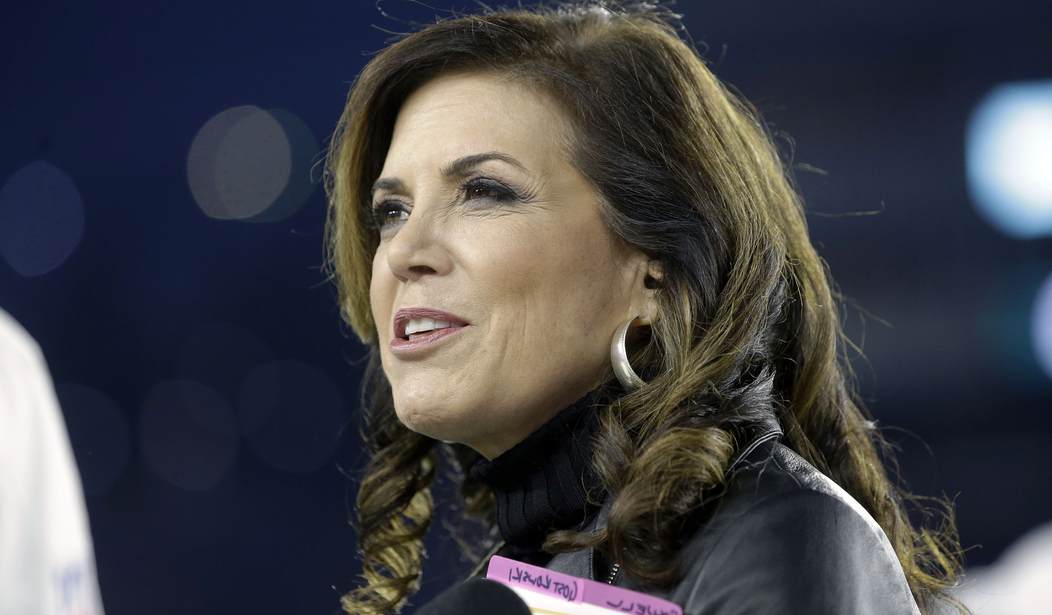
It also could be Michele Tafoya's path to victory in Minnesota.
Minnesota is one of the nation's major dairy states, with roughly 455,000 dairy cows producing more than 10 billion pounds of milk annually. Canada, meanwhile, has become the focal point of Trump's argument that American dairy producers are being denied fair access to foreign markets.
Peggy Flanagan, Tim Walz's current lieutenant governor and Tafoya's Democrat opponent, has attacked Trump's tariffs as being harmful to Minnesota's farmers and those businesses that rely on exports. That gives Tafoya just the opening she needs to flip the argument.
Instead of allowing the election to be a referendum on whether or not tariffs cause short-term pain, Tafoya can make it a referendum on whether the United States should tolerate a trade system that puts Minnesota dairy farmers at a serious disadvantage.
In other words, Tafoya could ask: Why should Minnesota's dairy farmers accept limited access to Canada's market while their foreign competitors receive better treatment?
And why should Washington, D.C., just shrug when another country embraces barriers to trade that punish American farmers?
Tafoya has already said farmers who take short-term hits from trade disruptions should get help. She's also said the long-term answer is better trade deals and stronger markets. Trump's fight with Canada gives her a chance to tie those two ideas together.
It looks like the farmers of Minnesota have taken note of her support for them.
I am honored to earn the endorsement of the Minnesota Farm Bureau!
— Michele Tafoya (@Michele_Tafoya) August 27, 2026
Minnesota’s farmers and producers work hard every day to feed our families, strengthen our communities, and keep our state’s economy moving.
I’ll always stand with Minnesota agriculture and fight for the… pic.twitter.com/b7cnU8OMYN
I am honored to earn the endorsement of the Minnesota Farm Bureau!
Minnesota’s farmers and producers work hard every day to feed our families, strengthen our communities, and keep our state’s economy moving.
I’ll always stand with Minnesota agriculture and fight for the hardworking men and women who keep our state strong.
Make no mistake, Tafoya still faces an uphill fight in a state that hasn't elected a Republican senator since Norm Coleman way back in 2002.
But if she's looking for an issue that connects Trump, unfair trade practices, Minnesota agriculture, and the economic interests that matter greatly to rural voters tied up nicely in one package, Mark Carney – and Trump – may have just delivered it.