



Continuing our examination of the proposals on the November 2026 California ballot, since our last post looked at Proposition 5 (a complete list of all propositions examined so far is at the bottom of this post), we now look at Propositions 37 and 38.
For those of you wondering what happened to Propositions 6 through 36, here’s the scoop. Originally, in every statewide election, California numbered its ballot measures starting at one. This caused confusion when a particular ballot measure grew famous (or infamous), such as 1978’s Proposition 13, which capped property taxes in the state. So, beginning in 1982, the state started numbering propositions sequentially from election to election. In 1998, it decided to start over and now does so every 10 years. From 2022 to today, the state has distinguished between Legislature-introduced and citizen-introduced propositions by restarting the former at 1 in every election while allowing the latter to be numbered using the existing sequential pattern. And now you know.
Propositions 37 and 38 are both bond measures. Proposition 37 would authorize the sale of up to $25 billion worth of bonds, said money being available for qualifying California residents to take out a loan to finance the purchase of their first home. Proposition 38 would authorize $8.4 billion in state general obligation bonds to finance immunology and immunotherapy research.
A bit of background. Every state in the Union offers some form of assistance to first-time homebuyers. The maximum amount available from states ranges from $15,000 to $150,000, with the District of Columbia at $206,000. California is currently at $32,837.
As is readily imaginable given the wide variety of communities in California, the median price of a home here is utterly dependent on location. For example, in March of 2026, the median home price in San Francisco was $1.69 million, while Fresno came in at $410,000. The highest price could be found in the San Francisco Bay Area suburb of Atherton: $14.8 million. Beverly Hills was second at nine million. In short, even setting aside the ritzy locales, it’s very expensive to live in the Golden State.
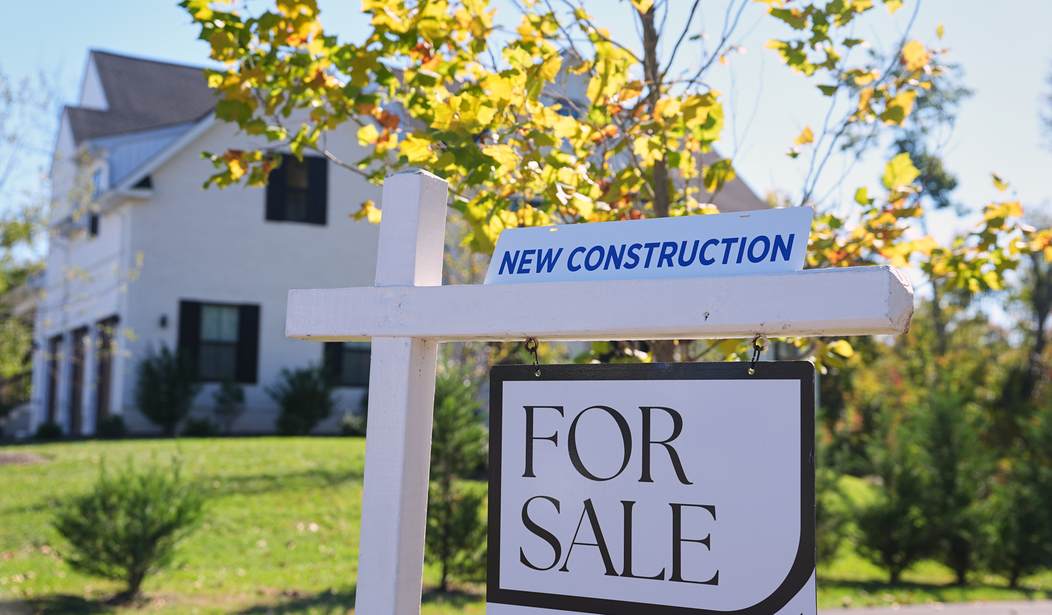
Proposition 37 pledges that the bonds will be repaid solely through loans taken out from the money derived from their sale. Prospective first-time homeowners would be able to take a loan from this money for up to 17 percent of the home’s price; the individual or individuals involved would be responsible for coming up with three percent of the home price on their own. An applicant would not be considered for the loan if their household income was more than double the average income level in their area. The home in question would have to be one that had not been previously purchased — more on that in a moment — and the price would also need to meet certain criteria, most likely no higher than $1.5 million. Which to residents of most states sounds insane, but in California is actually somewhat restrictive.
Given that the loans would only be available for previously unpurchased houses, it goes to reason that newly constructed units would be the overwhelming majority, if not all, of the eligible uses. This fits in nicely with the stack-and-pack philosophy those in California state government adore. Stack-and-pack refers to building as many townhouses as possible in a limited space, provided the space has easy access to public transportation, thereby (ahem) “encouraging” its use rather than private vehicles.
Alas, heroic environmental-based lollipop dreams in a cotton candy sky melt like sugar mice in the rain when it becomes clear that the primary reason few people choose public transportation, even when it is an option, is that the people already using it. Ask Iryna Zarutska’s family about that. Given the givens, one can understand why this has yet to gain popularity among the population. Besides, everyone out here drives a Tesla powered by unicorn sneezes, or at least should be given the state power grid’s rickety nature.
The following quote from the voters' guide gives cause for pause:
Under Proposition 37, all developers could build homes eligible for purchase under the program. Developers also could choose to participate in a “qualified builder option.” Developers that chose this option would be required to meet higher labor standards, such as using workers with a certain type of training for certain types of housing projects. In exchange, developers would be subject to different construction defect rules, which generally aim to provide more flexibility to developers.
If I’m reading this right, if a developer hires workers with certain levels of training, the inspectors responsible for making sure new construction is up to building code standards will be more than happy to take the developers’ word on everything being hunky-dory. Gee, how comforting.
Yes, living in California is insanely expensive. Yes, prospective first-time homebuyers often need all the help they can get. Here’s a sizzling scheme: maybe cut taxes and actually encourage businesses to start up or stay here, thus providing the mysterious entity rumored to be called “wages” to the even more mythical creatures collectively known as “employees” who spend the wages on things like … brace yourself … houses?
A brief look at Proposition 38 to finish. No one objects to research aimed at finding better treatments, preferably cures, for cancer and the like. But since when has it been a state’s job to do so?
Earlier:
- Proposition 1 — California State Proposition Pledges to Help Veterans Obtain Affordable Housing, Sort Of
- Proposition 2 — A Rainy Day Fund Increase, or Making a Shell Game the State's Umbrella?
- Proposition 3 — In Shocking (or Not) Development, California Asks Voters to Make Temporary Tax Increase Permanent
- Proposition 4 — California Is Asking Voters to Approve Public Financing of Political Campaigns. What Could Go Wrong?
- Proposition 5 — California's Proposition 5 Seeks to Discourage Recall Elections
Editor’s Note: The 2026 Midterms will determine the fate of President Trump’s America First agenda. Republicans must maintain control of both chambers of Congress.
Help RedState continue to report on the Democrats’ radicalism and inform voters as our nation faces a crossroads. Join RedState VIP and use promo code FIGHT to receive 60% off your membership.



Join the Conversation
VIP members get the ability to comment on articles.