










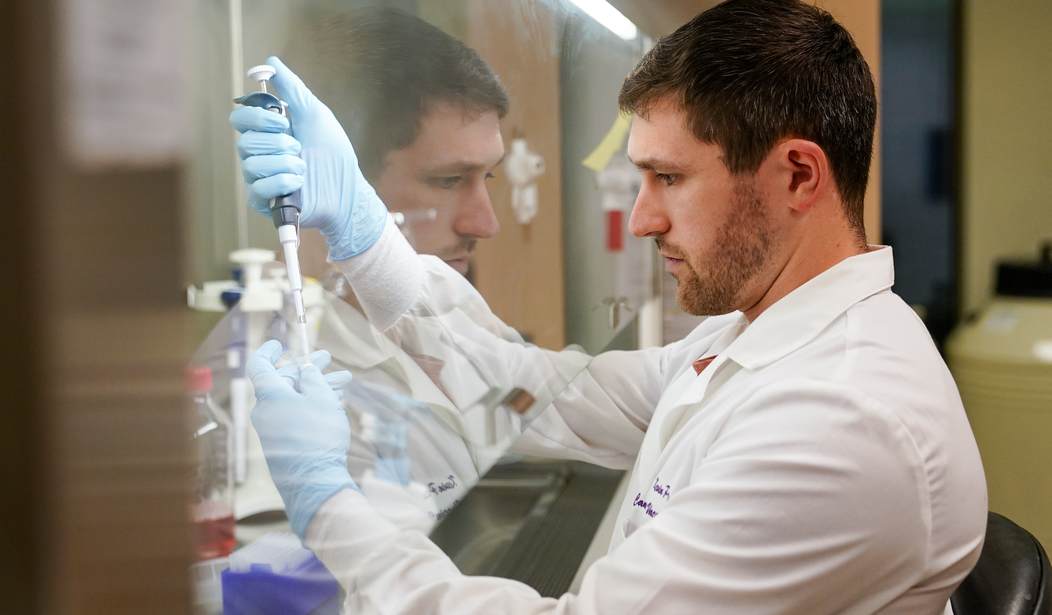
I’ve had my fill of election returns. Here’s a set of numbers I was happy to read this week. In a small colon cancer trial, 14 patients whose tumors were already more likely to respond to immunotherapy got two experimental drugs before surgery. When the tissue came back from the lab, 13 of the 14 had no viable tumor left in the samples.
There’s another number in the study I’d circle. Four of 14 patients with a form of colon cancer called MSS, or pMMR, that usually resists older immunotherapies had the same result after getting both drugs. In a separate group with that same type of cancer, none of the 14 patients who got botensilimab on its own had a complete response. The four complete responses came in the group that got botensilimab plus balstilimab.
Dr. Filippo Pietrantonio, who led the Phase 2 UNICORN trial, said in Agenus’s press release why the result matters.
"For many years, MSS colon cancer has largely been considered resistant to immunotherapy. The UNICORN study challenges that assumption in the curative-intent setting."
After the immunotherapy, all 56 patients went on to have surgery, though one patient had to wait a bit longer because of a serious thyroid side effect. When the researchers closed out the data and turned off the lights in the lab in February, nobody who got both drugs had seen their cancer return. The typical follow-up was about a year and a half.
Agenus supplied the drugs. The researchers didn’t randomly assign patients to treatment groups, and they describe the lab findings as a starting point for more research. A clear pathology report tells you what was in the tissue at surgery. It’ll take a bigger, randomized trial with longer follow-up to learn how much the drugs help keep the cancer away and whether patients live longer.
That’s the outcome families care about long after surgery. This summer, we got some good news on that front from a much bigger melanoma trial. Patients who got a personalized vaccine with immunotherapy after surgery went longer before their cancer came back. The companies haven’t shared how much longer yet.
The second bit of good news came Monday from Immorta Bio. The company announced that the first patient in an advanced cancer study in Mexico received its experimental peptide, SenoMune-0257, on October 29. The company used AI to help select the nine-amino-acid peptide, which is designed to help the immune system clear senescent cells. They’re nicknamed “zombie cells” because they stop dividing but stick around.
Immorta Bio CEO Boris Reznik laid out, in the company’s own press release, why his team is interested in those cells in the first place.
"For decades, medicine has treated diseases of aging one by one. We believe the next frontier is treating the biology of aging itself."
For now, the doctors in Mexico have a more immediate job. They need to see how patients tolerate the peptide and look for signs it clears the cells it’s supposed to target. Monday’s announcement told us when the first patient got the dose. We’re still waiting for results.
The published mouse work used an earlier product called SenoVax. Those were company-funded studies with 10 mice per group, and two scientists wrote to the journal questioning whether one of the experiments showed that the treatment cleared senescent cells. As of its October 25 check, PeptideDeck found no public sequence or named molecular target for SenoMune-0257, no ClinicalTrials.gov listing, and no announced FDA filing for the peptide.
I’m rooting for the research team down in Mexico. And I keep coming back to those four colon cancer patients. Their tumors were the kind doctors had good reason to expect would give these drugs trouble. Then the pathology reports came back. I’d like to see a bigger trial give more families a chance at good news.
Editor's Note: Do you enjoy RedState's conservative reporting exposing the radical left and woke media? Support our work so we can keep bringing you the truth.
Join RedState VIP and use promo code FIGHT to receive 60% off your membership.


Join the Conversation
VIP members get the ability to comment on articles.