






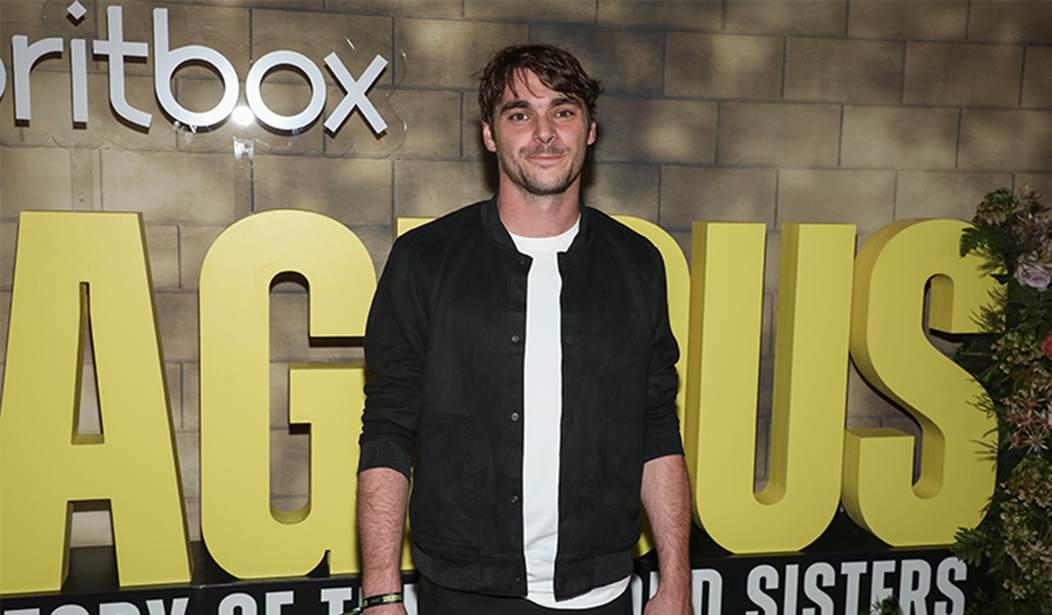
RJ Mitte, the actor who played Walter White Jr. on “Breaking Bad,” died this week at age 34 in Brownsville, Texas. Reports indicate he died by suicide. Mitte, who has cerebral palsy, portrayed a character with the same condition, exaggerating some of its physical effects for the role. He also used his own experiences with the disability to advocate for greater awareness and inclusion.
Mitte served as an ambassador for United Cerebral Palsy and Shriners Children’s and led his own foundation. He achieved what many thought impossible for someone with his condition. That success did not erase the quieter struggle. People with cerebral palsy often carry an unspoken burden. The physical challenges are visible and receive attention. The mental ones stay hidden.
👀 BREAKING BAD STAR RJ MITTE found dead at 34. He just got engaged almost exactly a year ago Oct 10th 2025 to Kennedy Suarez. In 2021 Mitte said “ It was one of those things… what’s the point of this at all certain point? Why am I still doing this? Why do I wanna KEEP GOING.” He was discussing the incredible stress of having to grow up fast & understand he was born with Cerebral Palsy and had to help support his family. People don’t realize what a LIFE he has been through. When he was 14 he had his entire family begin to die around him in the span of 6 MONTHS. His mother was paralyzed and he had to take care of her & his newborn sister because his mother could not even pick her up. He was working full time & traveling between work and home. This really breaks my heart and people living with that affliction I’ve always had a soft spot for. He once said in an interview with the Financial Times: “I don’t know. I think it’s sad when someone chooses to take themselves out of the game. But if that’s their decision, that’s their decision.” This absolutely sucks and he deserved to have a happy long life and ADDING to his family for once instead of losing them.
— Johnny St.Pete (@JohnMcCloy) October 12, 2026
Even after reaching milestones that once seemed out of reach, a sense of isolation can settle in. It feels as if the weight of daily effort rests on one person alone. Successes register on paper, yet the internal accounting still shows a deficit of understanding from the wider world.
I know this feeling. It is a feeling I have struggled with for years. Many of us with cerebral palsy do. The body demands constant negotiation. Every ordinary task requires extra calculation. Over time, that calculation produces a steady undercurrent of sadness.
Actor RJ Mitte, who played Walter White’s son on Breaking Bad, has died at age 34. Mitte lived with cerebral palsy just like his Breaking Bad character and used his platform to “challenge stereotypes and promote greater representation for people with disabilities,” according to his representative. TMZ reports Mitte died by suicide and that the death investigation is ongoing. (📷 credit : Andrew H. Walker/Shutterstock)
— Julia 🇺🇸 (@Jules31415) October 12, 2026
Without steady and loving presence from family and friends, the mind drifts toward darker places. The thought takes hold that no one fully sees the cost of simply moving through the day. Acknowledgment becomes scarce. Visibility turns into something rarer than achievement itself.
Mitte’s public life proved that cerebral palsy need not define the limits of a career or a purpose. He showed audiences a young man with the same condition navigating family, school, and ordinary ambitions.
That portrayal mattered. It still matters. Yet the reports of his death remind us that external progress does not automatically resolve internal strain. Physical therapy, adaptive equipment, and advocacy address only part of the need. Mental health support must stand beside them.
He stood before the mirror, adjusting his tie with hands that trembled. Tonight, RJ Mitte wasn't acting. He was about to speak to an auditorium filled with kids in wheelchairs and on crutches, kids who had never seen themselves represented on screen until him. Before he walked out, his agent whispered, "Just stick to the script, RJ. Keep it light." But as RJ stepped into the blinding spotlight and saw hundreds of hopeful eyes staring back, he folded his prepared speech and slipped it into his pocket. "When I was a kid," RJ began, his voice echoing through the sudden silence, "doctors gave me a list of my limits before I even knew what a dream was. He looked directly at a young boy in the front row staring down at his wheelchair. "Then I played Walter Jr. And for the first time, millions saw someone like us just existing. Not as a tragedy, but just a son growing up. Your body doesn't dictate your boundaries. Don't let anyone else write your script. Demand to be seen. The room erupted. The boy in the front row stood up, leaning heavily on his braces, clapping with everything he had. Backstage, RJ's hands were still shaking. But looking in the mirror, he smiled. He hadn't just given a speech, he had given them a reflection of their own power. Rip RJ Mitte The Breaking Bad actor 🪦
— dejerry (@dejerry02) October 12, 2026
Communities and people can do better here. Simple recognition carries weight. Listening without pity, offering steady company, and treating the person rather than just the diagnosis help keep isolation at bay. Families, whether blood or not, remain the first line of defense. Friends provide the next. Broader society benefits when it stops treating disability as either a perpetual crisis or an inspirational story and starts treating it as a human reality that includes both strength and vulnerability.
Mitte’s work already advanced that understanding. His death should sharpen it further. People with cerebral palsy want to be seen as full participants, not as symbols. They want the same regard for their mental resilience that others receive for their physical progress. Supporting that goal requires no grand programs or sweeping declarations. It requires ordinary attention, consistent presence, and the willingness to acknowledge the full load some carry every day.
The loss of a young man who had already given so much leaves a clear lesson. Physical victories deserve celebration. Mental ones require equal care. Without both, the burden stays heavier than it needs to be.
Editor’s Note: Every single day, here at RedState, we stand up and FIGHT, FIGHT, FIGHT against the radical Left and deliver the conservative reporting our readers deserve.
Help us continue to tell the truth about the Trump administration and its successes. Join RedState VIP and use promo code FIGHT to receive 60% off your membership.

Join the Conversation
VIP members get the ability to comment on articles.