






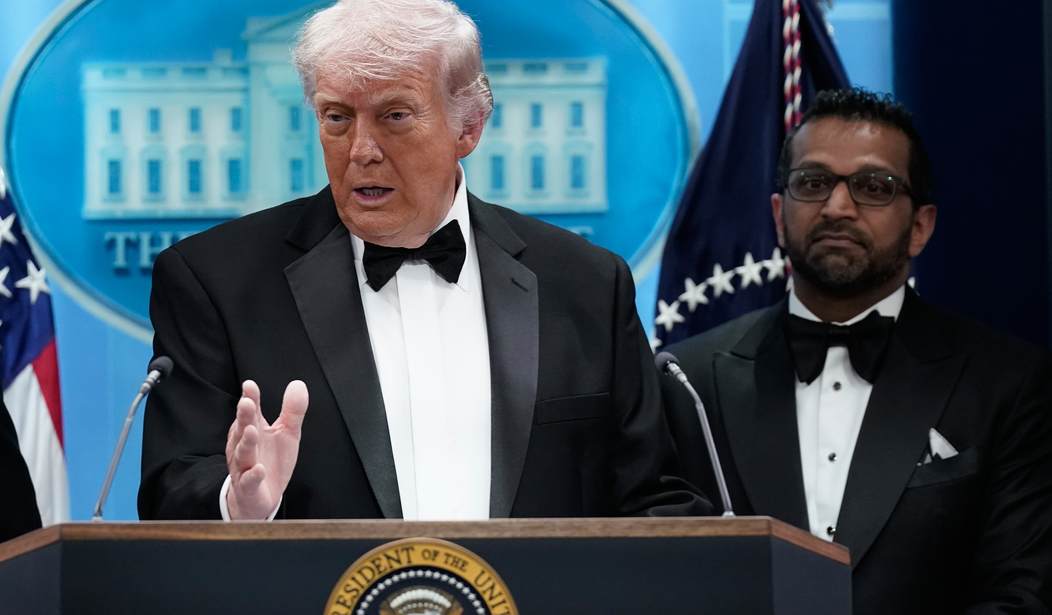
A group of journalists and press freedom organizations has urged the White House Correspondents' Association to use its rescheduled dinner this week to confront President Donald Trump directly over what they call attacks on the media. The event, moved after an April incident involving a gunman, is now set for Friday at the Waldorf Astoria in Washington. Trump plans to attend.
The letter from hundreds of former and retired journalists calls for the association to "forcefully stand up" from the podium, defend reporters the administration has targeted, and resist efforts to undermine the First Amendment. It cites Justice Department subpoenas directed to New York Times journalists investigating security concerns about a Qatari-gifted jet for Air Force One, along with broader threats against broadcasters and news outlets.
Organizers have described the night as a celebration of the First Amendment and the daily work of journalists who uphold it. This push for a public showdown reflects a familiar impulse in parts of the press corps. Many see the dinner as an opportunity to "speak truth to power" in front of the president himself. Yet that approach risks turning an event meant to honor press freedom into something narrower: a platform for one side's grievances. The core purpose should remain defending the principle of a free press, not advancing a particular political confrontation.
FIRST ON FOX: Trump will return to the stage at the rescheduled White House Correspondents' Dinner Friday — the first time since an armed suspect stormed the original event in what authorities say was an attempt to assassinate the president.
— Fox News Politics (@foxnewspolitics) July 23, 2026
The venue shifts from the Washington… pic.twitter.com/YiG67v4n8Y
When the night shifts toward agenda-driven messaging, it undercuts the very ideal it claims to protect. Conservatives have long argued that much of the mainstream media operates with an implicit bias, framing stories in ways that align with one worldview while presenting itself as neutral.
The subpoenas and license threats deserve scrutiny on their merits, as any action touching on press protections does. But the selective outrage often ignores how media outlets have sometimes blurred lines between reporting and advocacy. When coverage consistently tilts against one political figure or movement, trust erodes.
NEW: 500+ journalists formally ask White House Correspondents Assoc. "to publicly pledge that it will fight back against the Trump Admin's assault on press freedom" at its dinner with Trump on Friday
— Scott MacFarlane (@MacFarlaneNews) July 21, 2026
"Attacks on journalists and press freedom have become even more egregious" pic.twitter.com/cAwtoC4r8T
Polls have shown declining confidence in traditional news sources for years, and that trend did not begin with the current administration. Newer outlets and independent voices have gained ground in this environment precisely because they are more transparent about their perspectives.
They do not pretend to be dispassionate arbiters while advancing consistent editorial slants. Readers and viewers can weigh those viewpoints openly, cross-check facts, and decide for themselves. Traditional media's claim to objectivity has worn thin for many Americans who see patterns of omission or emphasis that favor certain narratives.
I asked the WHCA about this letter:
— Michael Calderone (@mlcalderone) July 22, 2026
"The White House Correspondents' Dinner exists because the First Amendment matters most when it's under pressure. As we continue to celebrate America's 250th birthday, our choice to gather as journalists, newsmakers and the president in the… https://t.co/AuTo2XMbPv
I asked the WHCA about this letter:
"The White House Correspondents' Dinner exists because the First Amendment matters most when it's under pressure. As we continue to celebrate America's 250th birthday, our choice to gather as journalists, newsmakers and the president in the same room is a reminder of what a free press means to this country — and why it must endure. Not for the media or the president, but for the people who depend on it."
THE ESSEX FILES: The Show Must Go On - WHCA Reschedules Dinner After Assassination Attempt
This loss of audience is not the result of government pressure alone. It stems in part from self-inflicted wounds: stories that stretched or downplayed inconvenient details, or an institutional reluctance to apply the same standards across the political spectrum.
A dinner dedicated to press freedom could usefully address real challenges, such as protecting sources, resisting overbroad subpoenas, and ensuring access to information. It could highlight journalists working in difficult conditions or examine how digital changes have altered the landscape. Instead, framing the evening primarily as a moment of resistance to one president risks confirming the skepticism many already hold.
It suggests the gathering is less about universal principles and more about settling scores with a figure who has challenged the press's self-image. Press freedom thrives when it earns public confidence through fairness and rigor, not through performative opposition. The First Amendment protects robust debate, including sharp criticism of those in power.
It also protects the right of audiences to seek out sources they find credible. As media fragments further, the institutions that adapt by prioritizing accuracy over alignment will endure. Those that treat every disagreement as an existential threat to democracy may find their influence continuing to wane.
The dinner offers a chance to reaffirm commitment to open inquiry and accountability for all. If it instead becomes another chapter in an ongoing feud, it will do little to strengthen the press in the eyes of the public it serves. Principles outlast personalities. Keeping the focus there would serve journalism better than any pointed speech from the podium.
Editor's Note: Do you enjoy RedState's conservative reporting that takes on the radical Left and woke media? Support our work so that we can continue to bring you the truth.
Join RedState VIP and use promo code FIGHT to receive 60% off your membership.



Join the Conversation
VIP members get the ability to comment on articles.