






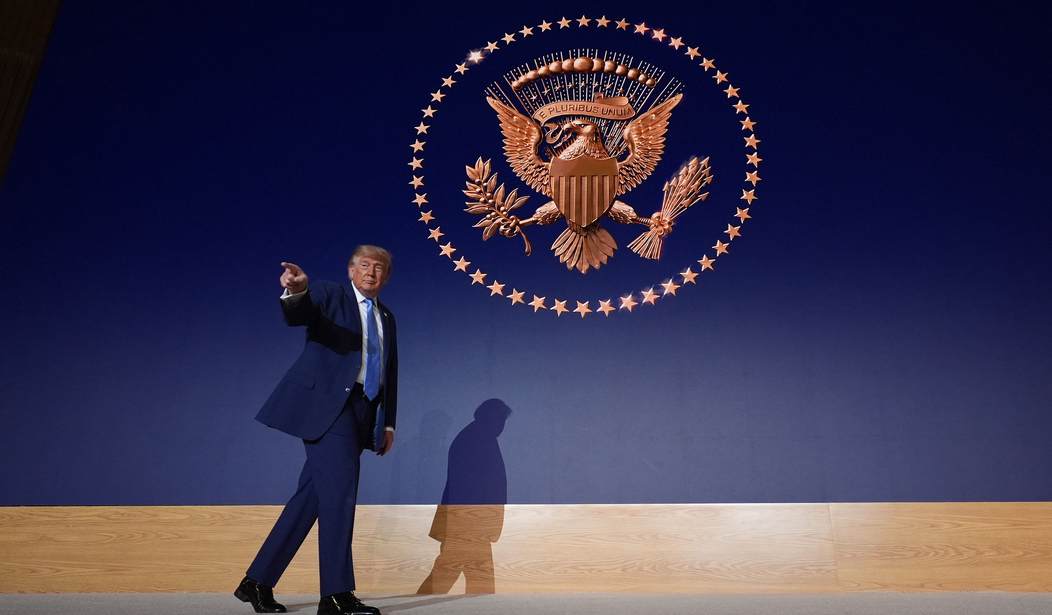
President Donald Trump threatened tariffs on Europe in July after Google got another enormous bill from Brussels. Nearly $1 billion this time. Now Public Policy Solutions is putting six figures behind a campaign encouraging Trump to follow through, with federal contracts involving European companies also in its sights.
The Washington-based group rolled out "Bad Allies" on Monday, October 12. Its television and digital campaign backs a Section 301 investigation into European regulations and fines against American technology companies. It also wants federal agencies to examine contracts with European businesses and consider giving them a taste of the regulatory treatment American firms have endured overseas.
That last piece goes beyond Trump's July warning and cuts where it could hurt. European companies do substantial business with the U.S. federal government. Public Policy Solutions hasn't named specific contracts or companies yet, but it is demanding Washington start looking.
John Czwartacki, the group's co-founder, had some pointed words for America's European allies:
"The European Union has attacked American innovation for too long; it’s time we fought back. From overreaching regulations and massive fines to baseless investigations, the EU is trying to cripple America’s most innovative companies. Yet, Europe expects its companies to enjoy unfettered access to the U.S. market. U.S. officials should support President Trump's bold step to initiate a Section 301 Investigation into Europe's unfair practices and re-evaluate federal contracts with European companies. Failure to stand up for American companies will only strengthen our mutual enemies, weaken our alliance, and harm innovation in America and Europe alike."
Trump had already made his feelings about Brussels pretty clear. On July 24, he posted a list of American companies and what he said Europe had taken from them: $15 billion from Apple, $3 billion from Meta, $2.5 billion from Amazon. Google, according to Trump, had passed $18 billion.
Then came the "PIGGYBANK" remark. The president accused European officials of discriminating against American businesses and threatened a Section 301 investigation, followed by tariffs, unless the penalties were reversed.
Google had just been hit with €890 million in fines under the Digital Markets Act. One penalty involved accusations that Google favored its own services in search results. The other concerned restrictions on app developers directing customers to purchases outside Google Play. Brussels divided the bill into €460 million and €430 million.
Those weren't isolated enforcement actions. Apple got a €500 million fine in April 2025 for restrictions involving App Store purchases. Meta was ordered to pay €200 million over its advertising-consent model. The commission maintains that the Digital Markets Act levels the playing field. Apparently, leveling it costs €1.59 billion when Google is added to the tally.
The Chinese comparison doesn't hold up for Brussels.
In 2023, Ireland's data protection regulator fined Meta €1.2 billion for transferring European user information to the United States. TikTok, owned by China's ByteDance, received a €345 million penalty that September for violations involving children's data. A separate €530 million penalty against TikTok for transfers involving China followed in 2025. The violations and legal findings differed, but Brussels has certainly demonstrated an appetite for pursuing American platforms.
Public Policy Solutions raised that disparity in its June 2025 report, alongside complaints about European digital taxes and regulations designed around the world's largest technology firms.
Europe may have another way to reach into corporate pockets. An October 7 report described proposed changes to an EU revenue measure affecting multinationals with more than €100 million in annual European revenue. That threshold would capture plenty of American firms, though the proposed tax would also cover companies outside the technology industry.
The organization took its research south in December, with a report examining European-style digital rules spreading into Brazil, Colombia, and Chile. Brazil received particular attention for proposed technology restrictions and its relationships with Chinese telecommunications companies.
Brazil, incidentally, has already been on the receiving end of Trump's trade investigations. U.S. Trade Representative Jamieson Greer opened a Section 301 case in July 2025 involving digital commerce, intellectual property, and other Brazilian practices. Washington announced responsive trade measures the following year.
Europe hasn't received that treatment, yet. That's exactly what Public Policy Solutions is pushing for. The 60-second spot pulls no punches, declaring on screen: "Europe is using every weapon."
Brussels has been happy to collect from American technology firms. Now Washington is being asked to start collecting too.
Editor's Note: President Trump is leading America into the "Golden Age" as Democrats desperately try to stop it.
Help us continue to report on President Trump's successes and combat Democrats' lies. Join RedState VIP and use promo code FIGHT to receive 60% off your membership.


Join the Conversation
VIP members get the ability to comment on articles.