






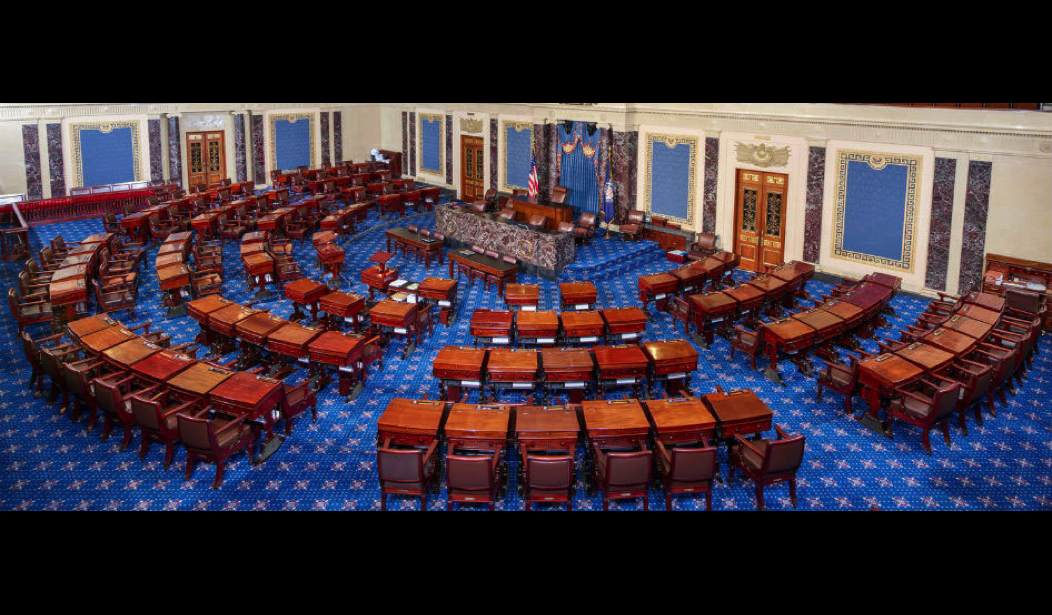
Senate Republicans agreed early Saturday to pause a Trump administration rule that would have put political appointees in charge of federal grant decisions. That was the price of getting Democrats aboard a stopgap funding bill through Dec. 11.
The Senate passed the bill 90-6. It now goes to the House, where lawmakers must approve the same language and get it to President Donald Trump by Sept. 30 to avoid an Oct. 1 shutdown.
With Election Day set for Nov. 3, neither party wanted another shutdown fight hanging over the final weeks of the campaign. The Senate took that threat off its calendar. It also handed House Republicans a spending bill containing a concession to Democrats that some conservatives may not be eager to swallow.
The six no votes came from Senators Bill Cassidy (R-LA), Tim Kaine (D-VA), Ed Markey (D-MA), Rand Paul (R-KY), Bernie Sanders (I-VT), and Elizabeth Warren (D-MA). Sen. Darline Graham (R-SC) voted present, and three senators did not vote.
Read More: Senate Takes Its First Procedural Step Towards Potentially Averting Another Government Shutdown
House Advances Stopgap Funding Measure, but Senate Showdown Looms
Paul's objection was straightforward: yet another extension with no spending cuts attached. Kaine has a different fight on his mind entirely; he said he won't vote for government funding while the U.S. is at war with Iran. Cassidy voted no without public explanation, though he had announced support for the Blanche nomination earlier that same day. Sens. Markey, Sanders, and Warren opposed it from the left.
The bill generally keeps spending at current levels. It also contains adjustments for the Supplemental Nutrition Assistance Program (SNAP) and the Special Supplemental Nutrition Program for Women, Infants, and Children (WIC) along with disaster relief and national security provisions.
The grant language is the catch. Democrats insisted the bill freeze the Office of Management and Budget (OMB) rule or wait until September. Sen. Susan Collins (R-ME), the chair of the Senate Appropriations Committee, sided with them and defended the provision.
"Many of us felt very strongly about it, so it's in there. Our focus is on ... preventing a government shutdown."
The rule grew out of Trump's August 2025 executive order on federal grantmaking. The order directed political appointees to review discretionary grants before federal money went out the door, with the administration targeting funding for DEI programs, gender ideology, illegal immigration, and other projects that clash with its priorities.
Trump's explanation was blunt:
"Every tax dollar the Government spends should improve American lives or advance American interests. This often does not happen."
That rule is now on ice until Dec. 11. Sen. John Kennedy (R-LA), another Senate appropriator, said Republicans intend to bring it back when Congress takes up the next funding bill.
"I'm going to fight like hell to make sure there is no impediment to the rule, because it's a good rule."
The bill carries another Republican headache. At the White House's request, it delays the federal crackdown on intoxicating hemp products until Dec. 11. Sen. Ted Budd (R-NC) tried to strip out the delay and allow the restrictions to take effect in November. The Senate tabled his amendment 61-32.
Senate leaders got their pre-election shutdown problem out of the way. House Republicans are left with the vote, including a grant-rule freeze Democrats demanded and another short-term spending extension without the cuts fiscal conservatives want.
Editor’s Note: Thanks to President Trump’s leadership and bold policies, America’s economy is back on track.
Help us continue to report on the president’s economic successes and combat the lies of the Democrats. Join RedState VIP and use promo code FIGHT to receive 60% off your membership.
Join the Conversation
VIP members get the ability to comment on articles.