
Energy is at the heart of every economy. It has been and always will be that way, dating back to when the first early human discovered that leaving a chunk of flint in the fire for a while changed its structure in some unknowable (then, at least) way, making it easier to work. At the heart of every major advance in human technology and standard of living has been an advance in the primary energy source, from wood and dung to nuclear power.
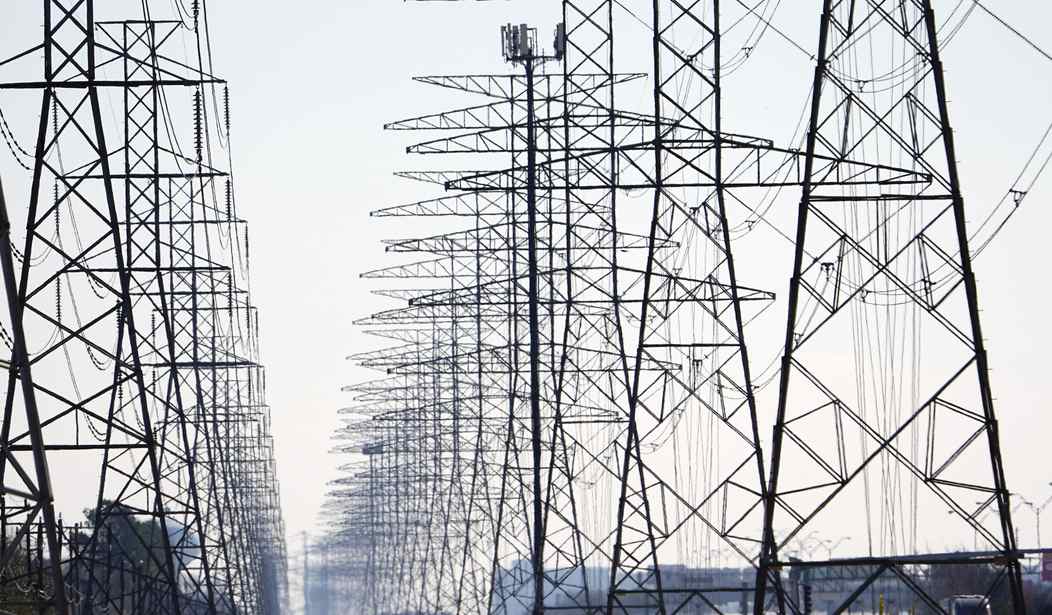
One of the most significant advancements in energy, in the delivery of energy and the uses of energy, is something that began in the United States in the late 19th century, and which we take for granted today: Electricity. Electrification changed our world, lifting millions out of poverty, and that's a process that's still ongoing. Here in the United States, for the last few years, we have been moving away from "green" horse squeeze and back towards traditional sources for electrical generation: Natural gas, coal and nuclear power.
In other parts of the world, though these same "green" concerns are holding back the one thing that could jump-start the economies of the Third World and even places in the developing world: Universal, reliable, and affordable electricity. In a recent piece at American Greatness, Vijay Jayaraj writes:
The United States has unshackled power plants from politically driven emission regulations that held them hostage for decades, eventually forcing many facilities to close. When the U.S. Environmental Protection Agency (EPA) repealed most of the Biden administration’s greenhouse gas requirements for power plants and proposed repealing the remaining standards, the agency put reliable energy ahead of climate ideology.
So far, the silence from the capitals of developing nations is deafening. National leaders across Africa, Asia, and Latin America sit mute in the face of this massive shift to rational energy policy.
For years, these leaders blamed Western pressure for their refusal to build infrastructure for the use of coal and natural gas. Now, the largest economy on Earth has abandoned destructive emission restrictions, yet the economies that most need such relief continue to bow before the global climate cartel to the detriment of their own citizens.
Ay, that's the rub. The climate cartel, as Vijay Jayaraj describes it, wields a lot of influence, in no small part through the United Nations. They have managed to browbeat much of the developed world out of looking to invest in traditional generation and transmission of electricity, and now even some of the governments of the developed world are chiming in: Solar, wind, sure; coal and natural gas, no.
Now, here in the United States, over the last few years we've been adding to our energy portfolio, from Alaska to Venezuela. Gasoline and diesel prices have remained stubbornly high over the summer, but that's not due to any lack of production. Meanwhile, natural gas prices — and much of our nation's electricity comes from natural-gas-fired plants, and many of our homes are heated by natural gas - have stayed low, coming off a spike in late 2025. China, too, we might note, is producing coal-fired power plants with abandon.
But not in the poverty-stricken Third World. Oh, the process began and is still trending in the right direction; but the climate agenda, having been unsuccessful in the United States and, increasingly so, in Europe, is now focusing on the poorer parts of the globe.
Between 1990 and 2016, the share of humanity with electricity climbed from 71 percent to 87 percent, and South Asia more than doubled its share of people with access to electricity, from 41 percent to 86 percent, which much of the West has long taken for granted. Over a 20-year period in India, an index measuring multidimensional poverty, including monetary poverty, education, and access to basic services, fell from 55.1 percent of the population suffering such deprivation to 16 percent, while access to clean cooking fuel rose from 22 percent to 68 percent.
Disrupting this remarkable progress driven by hydrocarbons was not a natural calamity or a resource crunch but the political ideology of a fabricated climate crisis.
Fabricated is not too strong a word. We've covered this, time and again, in these virtual pages. Yes, Earth's climate is changing. It always has, and it always will. Yes, that climate is warming. It has been, with some dips and spikes, since the end of the last major glaciation, about 13,000 years ago. It will continue to do so. Yes, humans have some impact — but, as we have shown time and again, it's not worth giving up much of our modern lifestyle over, nor is it worth depriving the poorer parts of the world something that has more potential to lift them out of poverty than anything else: Reliable, affordable electricity.
The American energy reset should be the model. This is an example the developing world and the Third World should follow. Nothing has the potential to lift people in these parts of the world than electrification: The provision of reliable, affordable electricity, and all that goes with it, from modern communications to modern technologies ranging from clean electric cooking to clean electric lighting. Electrification has improved the human condition everywhere it has been employed, and this process shouldn't be held back by meddling activists insisting that poor villagers in sub-Saharan Africa rely on solar panels instead of coal or natural gas. That's unfair to those people, it's unfair to their progeny, and it's unworthy of the developed world to hold them back.