
Hydroelectric power used to be a big deal in the United States. A big part of the electrification of rural areas in the U.S. involved the building of dams and hydroelectric plants, spearheaded by organizations like the Tennessee Valley Authority (TVA). Hydroelectric power is everything green energy advocates and climate scolds claim to want: Clean, reliable, constant electricity.
So why aren't we building more hydroelectric capacity? In 1945, hydroelectric power generated about a third of the electricity in the United States. Now, that number is about six percent. Granted, demand has increased dramatically in that time. But why aren't we making more use of hydroelectric power, and why aren't the climate scolds shouting for the need for more of this clean, green technology?
Well, here's why, and I'm going to tell you.
First, some history. As noted, today, only about six percent of America's electricity is generated by hydroelectric plants. It constitutes about 27 percent of America's "renewable" energy production. There have been, in recent years, some minor additions to existing plants, like the Byllesby Hydroelectric plant in Minnesota, along with a few other smaller plants and additions. But large scale production of these plants has, for the time being, dropped like a rock. This is mostly due to pressure from environmental groups, who are concerned not so much with the plants but with the dams and reservoirs that make them possible. Excessive regulation is (as so often seems to be the case) a major factor. And all this at a time when we should be building these plants like crazy people.
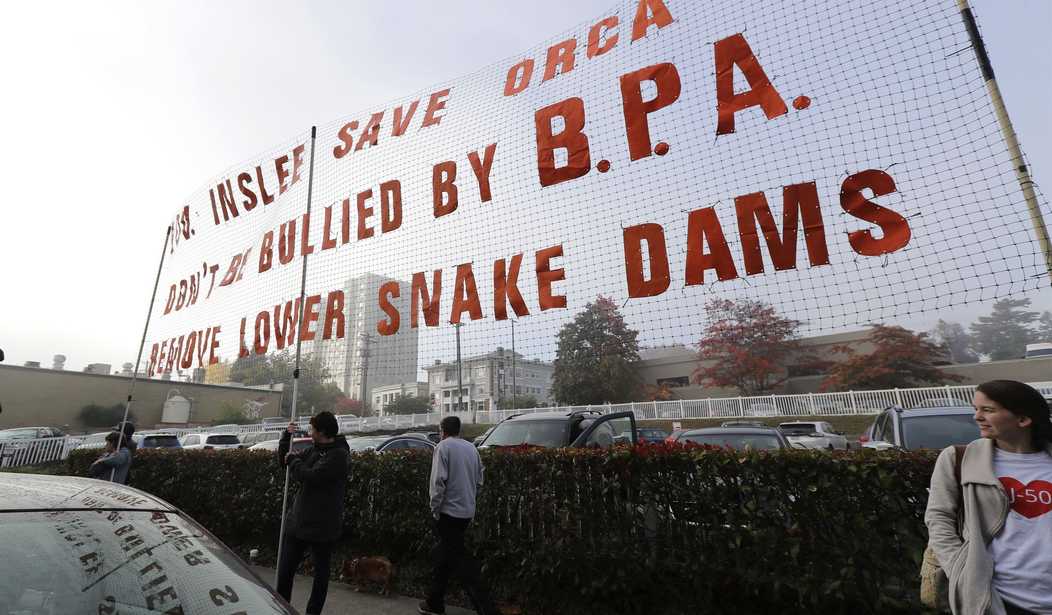
For once, the environmental concerns are legitimate. The reservoirs have a significant effect on riparian habitats and freshwater fisheries. But these considerations have to be balanced against human ones; we need electricity. But the climate scolds are silent on this, this electrical generation capacity that seems to be everything they want, and the environmental lobby is against any new reservoir building. That's mildly amazing, as even in places where there could be massive human benefit, these groups oppose not only the building of new dams and reservoirs, but even keeping water in existing ones. Places like California, where they are having rolling blackouts while the state is on fire, and firefighters are looking at empty reservoirs. This is stupidity on TURBO, although the once-Golden State's reservoirs may be helped some by an expected wet year, and at least one new reservoir looks to be moving ahead. It's moving ahead without a hydroelectric plant, though.
The United States would do well to follow Alaska's example.
Alaska has a strong track record of developing successful hydroelectric projects that provide clean, reliable energy across the state. Hydroelectric power is Alaska’s largest source of renewable energy, supplying about 21 percent of the state’s electrical energy in an average water year. Dozens of hydro projects provide power to Alaskans, including the 120-megawatt Alaska Energy Authority-owned Bradley Lake project near Homer, which supplies 8 percent of the Railbelt’s electrical energy.
But here's the catch: We may not need to build new reservoirs. There may be as many as 80,000 non-powered dams, right now, in these United States, that would be suitable for hydroelectric plants. This has been known for years.
A new report released today by the Energy Department analyzes the potential to generate clean hydroelectric energy at existing dams across the United States. Harnessing the tremendous power of the nation’s waterways could help increase the supply of clean energy for American families and businesses.
Thousands of dams across the country are not currently equipped to produce power. Today’s report finds that if fully developed, these existing dams could provide an electrical generating capacity of more than 12 gigawatts (GW). This amounts to increasing existing U.S. conventional hydropower capacity by roughly 15%.
The majority of potential resides in the country’s workhorse waterways – like the Ohio, Mississippi, Alabama, and Arkansas rivers. Eight GW of capacity is concentrated in just 100 facilities, 81 of which are owned and operated by the U.S. Army Corps of Engineers.
This report was issued in 2012, but the rivers and dams aren't going anywhere.
Our current hydroelectric plants are aging; some of them are among the oldest power generation stations in the country. As I'm continually pointing out, we solve today's problems with tomorrow's technology. Hydropower is not tomorrow's technology; in its original form, it was Great Depression-era technology. But even old technology can be upgraded, and with today's more efficient generators, with computer and even AI control increasing efficiency and managing outputs as waterflows increase and decrease, hydropower could and likely should be in for a rebirth. Hydroelectric generation is everything that the climate scolds claim to want: Low-emission, clean, reliable electricity. The environmental lobby is against new dams, but we've seen that we may not need new dams; just to refit existing ones. Some incentive from Washington, mostly in the form of reduced red tape, would be helpful.
This is something that the Department of Energy and the several states should be looking at, and today.