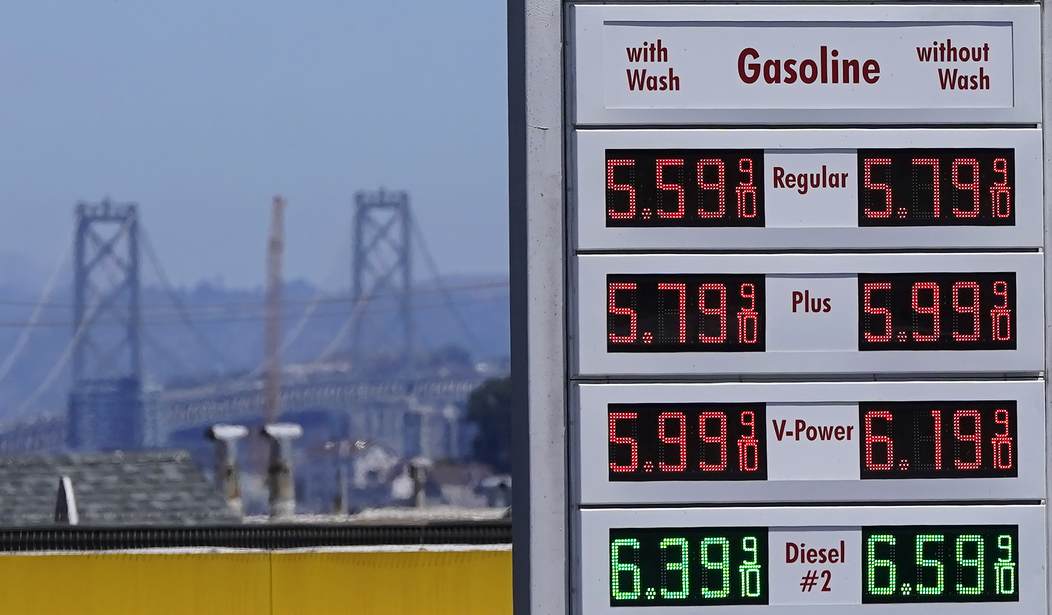

Gasoline prices are on everyone's mind right now, and you'd better believe they are especially on the minds of Republican politicians looking to keep their jobs in the November midterms. Gas prices are affected by many things, foremost among which are oil prices; that's the main reason prices are high at the moment, because of market uncertainty over events in the Middle East.
That's a story for another time, though. I recently had cause to go digging into the other, policy-driven impacts on gasoline prices, along with the various levels of state taxation on gasoline. It makes for an interesting number crunch, and it produced some interesting and not entirely unsuspected results. See also my recent piece on diesel prices.
The broad strokes? Democrat-run states tend to have higher gas prices and higher gas taxes than Republican-run states. That's the part that we expected.
Note: Raw data was gathered on Sunday, September 20, 2026. Gas tax data comes from here, and gas price data from here. with a few minor sources included.
First, take a look at gas prices, from high to low, by state.
State | Price | Government | Gas Taxes |
California | $6.15 | Democrat | 73.64 |
Washington | $5.56 | Democrat | 60.17 |
Hawaii | $5.53 | Democrat | 18.50 |
Nevada | $5.29 | Mixed | 24.81 |
Oregon | $5.10 | Democrat | 60.17 |
Alaska | $5.07 | Mixed | 8.95 |
Michigan | $4.93 | Mixed | 53.40 |
Illinois | $4.91 | Democrat | 70.40 |
Idaho | $4.86 | Republican | 33.00 |
Utah | $4.80 | Republican | 32.55 |
Arizona | $4.67 | Mixed | 19.00 |
Montana | $4.59 | Mixed | 33.75 |
Pennsylvania | $4.57 | Mixed | 58.70 |
Ohio | $4.53 | Republican | 38.50 |
Connecticut | $4.50 | Democrat | 25.00 |
Wyoming | $4.50 | Republican | 24.00 |
New York | $4.49 | Democrat | 24.18 |
Vermont | $4.46 | Mixed | 34.88 |
Wisconsin | $4.45 | Democrat | 32.90 |
New Mexico | $4.44 | Democrat | 18.88 |
New Jersey | $4.43 | Democrat | 49.15 |
Maine | $4.43 | Democrat | 31.45 |
Rhode Island | $4.41 | Democrat | 41.12 |
Massachusetts | $4.41 | Democrat | 27.56 |
Minnesota | $4.39 | Mixed | 32.70 |
Iowa | $4.38 | Republican | 30.00 |
New Hampshire | $4.38 | Mixed | 23.75 |
Delaware | $4.37 | Democrat | 23.00 |
West Virginia | $4.36 | Republican | 35.70 |
Colorado | $4.33 | Democrat | 30.18 |
Florida | $4.30 | Republican | 40.10 |
Nebraska | $4.29 | Republican | 32.70 |
South Dakota | $4.29 | Republican | 30.00 |
North Dakota | $4.24 | Republican | 23.03 |
Maryland | $4.22 | Democrat | 46.81 |
Virginia | $4.19 | Democrat | 42.40 |
Missouri | $4.19 | Republican | 29.99 |
Kentucky | $4.19 | Republican | 26.40 |
Kansas | $4.18 | Republican | 25.03 |
North Carolina | $4.15 | Mixed | 41.25 |
Georgia | $4.09 | Mixed | 34.05 |
Arkansas | $4.09 | Republican | 25.00 |
South Carolina | $4.08 | Republican | 28.75 |
Tennessee | $4.07 | Republican | 27.40 |
Oklahoma | $4.06 | Republican | 20.00 |
Indiana | $4.03 | Republican | 63.10 |
Alabama | $4.01 | Republican | 31.00 |
Louisiana | $4.00 | Republican | 20.93 |
Mississippi | $3.97 | Republican | 24.40 |
Texas | $3.95 | Republican | 20.00 |
The trend is clear. Republican states are clustered towards the lower end of the price spectrum, in fact they have the bottom 12-15 pretty well sewn up, which is what we would expect. And again, as we would expect, the higher prices are on the Democrat-controlled states, most especially the Left Coast states. The trend is obvious, although there are some exceptions. My own Alaska, for instance, is toward the top of the chart despite being a mostly Republican state, for now, but as it is in so many things, Alaska is something of a special case. In this case, it's because of a lack of refining capacity, which is a problem shared by California; although, in Alaska, it's because we never had the refineries, and in California, they are shutting them down. That's stupid on stilts on the part of California's political leadership (and I use the word "leadership" in the broadest possible sense) but then, we've come to expect that from the once-Golden state.
Now, let's look at gasoline taxes per gallon.
State | Price | Government | Gas Taxes |
California | $6.15 | Democrat | 73.64 |
Illinois | $4.91 | Democrat | 70.40 |
Indiana | $4.03 | Republican | 63.10 |
Washington | $5.56 | Democrat | 60.17 |
Oregon | $5.10 | Democrat | 60.17 |
Pennsylvania | $4.57 | Mixed | 58.70 |
Michigan | $4.93 | Mixed | 53.40 |
New Jersey | $4.43 | Democrat | 49.15 |
Maryland | $4.22 | Democrat | 46.81 |
Virginia | $4.19 | Democrat | 42.40 |
North Carolina | $4.15 | Mixed | 41.25 |
Rhode Island | $4.41 | Democrat | 41.12 |
Florida | $4.30 | Republican | 40.10 |
Ohio | $4.53 | Republican | 38.50 |
West Virginia | $4.36 | Republican | 35.70 |
Vermont | $4.46 | Mixed | 34.88 |
Georgia | $4.09 | Mixed | 34.05 |
Montana | $4.59 | Mixed | 33.75 |
Idaho | $4.86 | Republican | 33.00 |
Wisconsin | $4.45 | Democrat | 32.90 |
Minnesota | $4.39 | Mixed | 32.70 |
Nebraska | $4.29 | Republican | 32.70 |
Utah | $4.80 | Republican | 32.55 |
Maine | $4.43 | Democrat | 31.45 |
Alabama | $4.01 | Republican | 31.00 |
Colorado | $4.33 | Democrat | 30.18 |
Iowa | $4.38 | Republican | 30.00 |
South Dakota | $4.29 | Republican | 30.00 |
Missouri | $4.19 | Republican | 29.99 |
South Carolina | $4.08 | Republican | 28.75 |
Massachusetts | $4.41 | Democrat | 27.56 |
Tennessee | $4.07 | Republican | 27.40 |
Kentucky | $4.19 | Republican | 26.40 |
Kansas | $4.18 | Republican | 25.03 |
Connecticut | $4.50 | Democrat | 25.00 |
Arkansas | $4.09 | Republican | 25.00 |
Nevada | $5.29 | Mixed | 24.81 |
Mississippi | $3.97 | Republican | 24.40 |
New York | $4.49 | Democrat | 24.18 |
Wyoming | $4.50 | Republican | 24.00 |
New Hampshire | $4.38 | Mixed | 23.75 |
North Dakota | $4.24 | Republican | 23.03 |
Delaware | $4.37 | Democrat | 23.00 |
Louisiana | $4.00 | Republican | 20.93 |
Oklahoma | $4.06 | Republican | 20.00 |
Texas | $3.95 | Republican | 20.00 |
Arizona | $4.67 | Mixed | 19.00 |
New Mexico | $4.44 | Democrat | 18.88 |
Hawaii | $5.53 | Democrat | 18.50 |
Alaska | $5.07 | Mixed | 8.95 |
Here the trend is somewhat less clear. The blue states are still clustered around the more expensive end of the chart, but there are several notable exceptions: Hawaii, which like Alaska shares the problem of little or no local supply, while still having the second-lowest gas taxes. This may be because Hawaii has a year-round salubrious climate, which makes roads easier to maintain; gasoline taxes in most places are largely earmarked for road maintenance. Although, again, in Alaska, we have winters which are, to say the least, hard on our roads. In fact, the Parks Highway right now between Houston and Willow is rough enough that it's provoking some angry comments aimed at the borough and the State of Alaska.
When it comes to gas taxes, the trend is still there but the Republican shading on the chart moves more towards the middle. So, again, a broad trend — but just a trend.
Why does this matter? Well, here's why and I'm going to tell you; it is because gasoline prices, like all fuel prices, are at the heart of our modern economy. Those prices are wittingly and unwittingly factored into every economic decision we make, from vacation destinations to vehicle purchases to grocery budgets. The cost of fuel affects the cost of everything.
Also, I have the long habit of crunching numbers like this, borne of years as a corporate consultant teaching change management, cause analysis, failure analysis and corrective and preventive action (CAPA). It's interesting. It's also a snapshot, subject to change, literally at a moment's notice, which is why I put the timestamp on the data.
There are other, supporting causes for this. Democrats tend to view taxes as a way to modify behavior, as opposed to being a means of raising essential revenues to pay for certain distributed interests, like the highway system. In the case of gas taxes, some vocal leftists have advocated using gas taxes to force people into electric vehicles and urban, rather than small-town and rural settings. In that they mimic an apocryphal saying of Arthur Wellesley, the Duke of Wellington, who reportedly opposed passenger railways as they would "...promote unrest by allowing the lower orders to travel too freely about." That's the attitude at play here. And that may be part of the cause behind generally higher gas taxes in blue states.
So, yes, gas taxes as a major factor in the difference of gasoline prices from state to state. But the far larger factor is one that cuts across all the lines noted here, and that's oil prices. We aren't likely to see $2.00 gasoline again until and if oil prices drop back into the $40-$50 range. That's all there is to it.
As of this writing, American crude (USOIL) is trading slightly lower at 92.07, with Brent (UKOIL) at 99.87. A slight step in the right direction. But only a slight one.