






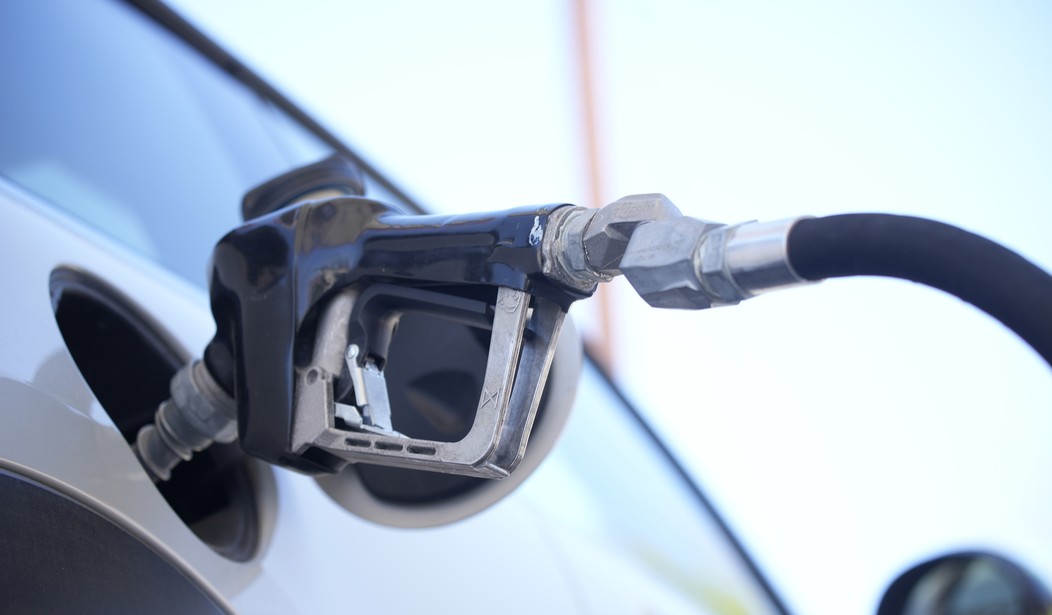
There's an old saying, apparently, that in the event of any shock to energy prices — like Operation Epic Fury — gasoline and diesel prices at the pump go up like a rocket, and come down like a feather. In the half-century or so I've been buying gasoline, that seems to match my experience.
Now, at least one estimate has gas prices staying high into the summer.
Relief at the gas pump is looking less certain as rising oil prices and tightening global supply trends threaten to push fuel costs higher.
Oil futures have been volatile amid mixed signals on potential peace talks between Iran and the U.S., and as shipping traffic in the Strait of Hormuz returned to a standstill.
Global energy prices have remained elevated since the start of the war with Iran, and Americans continue to feel the pain of skyrocketing gas prices amid ongoing tensions in the Middle East.
On the surface, that might seem odd, since the United States has been ramping up domestic oil drilling and extraction, as well as bringing some refining capacity online, but petroleum is a global resource in a global market, and price shocks still affect us, even as our supply increases.
The problem, according to one industry expert, is that pump prices aren't just reliant on oil prices.
While oil prices are certainly a key indicator of how gas prices may increase or decrease, it is just one of many factors that can play a role in how much you pay at the pump. Other factors, such as refining costs, disruptions in gasoline distribution, and retailers' price markups, can slow the rate at which gas prices return to normal after a spike.
“There is a saying that pump prices rise like a rocket and fall like a feather, and that holds,” said David Doherty, head of natural resources research at BloombergNEF. “It takes about three weeks for crude price rises to be fully felt in the price of gasoline prices, and it can take as much time for them to decline as refiners face an uncertain landscape when it comes to the price of crude, their main ingredient.”
Businesses in general hate uncertainty, and there's nothing that bleeds uncertainty into a market more than a war, especially when the dust-up is happening in a region that contains some of the world's major oil reserves.
As of this writing, the state with the highest average price at the pump is (of course) California, at $5.96. The cheapest is Oklahoma, at $3.57. Now, those differences are as much due to local regulations and taxation as to any issues of global oil prices or supplies.
Read More: Iran War Pushes Gas Past $4 - but Americans Aren’t the Worst Off
THE ESSEX FILES: Gas Shortages Loom in California As Refineries Shut Down, Rules Bite
What all this boils down to is that American drivers will be feeling some pain at the pump for a while yet. Believe me, I'm feeling it; right now, a tank of diesel in my pickup is running a tad over $200. And it looks like that pain will extend into the summer driving season, and that has to be causing some furrowed brows in the White House, and among Republicans in general, who won't want to go into the midterm elections with people looking angrily at gas prices.
That's a big motivation to get this thing with Iran wrapped up.
You can get a look at what your local gas prices are, and where to get the best deal, here.
Editor's Note: For decades, former presidents have been all talk and no action. Now, Donald Trump is eliminating the threat from Iran once and for all.
Help us report the truth about the Trump administration's decisive actions to keep Americans safe and bring peace to the world. Join RedState VIP and use promo code FIGHT to get 60% off your VIP membership.

Join the Conversation
VIP members get the ability to comment on articles.