






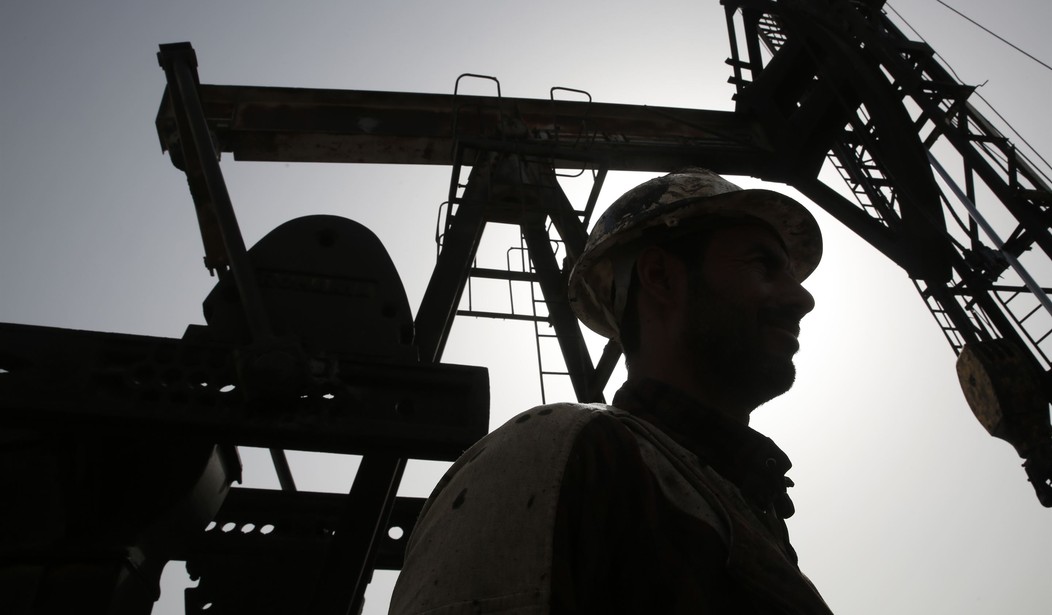
California's gasoline supply stands on the edge of a serious shortfall, one that policymakers have seen coming yet failed to head off with practical measures. Recent analyses point to tight inventories, refinery closures, and global disruptions converging in the weeks ahead, and the state's unique regulatory environment is making the problem harder to manage.
As of early April 2026, combined gasoline and crude inventories in California hovered at just nine to 10 days of supply, well below historical norms and offering little buffer against shocks. Two major refinery closures have removed substantial capacity: Phillips 66's Wilmington facility in the Los Angeles area shut down in late 2025, and Valero's Benicia refinery in the Bay Area is set to cease operations by the end of April 2026. Together, these account for roughly 17 to 20 percent of the state's refining capacity.
“California made itself so dependent by its own policies on imports from foreign countries…prices are going to surge even higher, and within 3 or 4 weeks California is going to start to experience shortages across the board...because 40% of our fuel is made in Asia.”
— Rudy Havenstein, Senior Markets Commentator. (@RudyHavenstein) April 23, 2026
Mike Ariza… https://t.co/4i0i86V8Ha
“California made itself so dependent by its own policies on imports from foreign countries…prices are going to surge even higher, and within 3 or 4 weeks California is going to start to experience shortages across the board...because 40% of our fuel is made in Asia.”
Mike Ariza
cc @GavinNewsom
California already operates with thin margins. The state maintains its own special blend of gasoline to meet strict air quality standards, which limits the ability to pull supplies quickly from other parts of the country. No major pipelines bring finished gasoline into the state, so replacements must come by ship, rail, or truck, each with its own delays and added costs. On top of that, California relies on imports for about 20 percent of its gasoline, much of it from Asian refiners producing the compliant blend.
RELATED: Burgum Takes Newsom to the Cleaners on CA's Gas Prices, Then the Oil and Gas Assoc. Finishes Him Off
Chevron Fires Off Blistering Letter to Newsom Warning Proposed Climate Policy Will Decimate CA
Those imports have been curtailed, and shipping times of 25 to 45 days mean the full effect is only now hitting terminals. Global events have added pressure. Conflict in the Middle East has disrupted crude oil flows through the Strait of Hormuz, a route that supplied 25 to 30 percent of the crude processed by California refineries in 2025.
.@MikeAriza4531 warns that fuel shortages in California are imminent.
— Victor Joecks (@VictorJoecks) April 23, 2026
That would cause prices in Nevada to skyrocket. https://t.co/klWA1RX52f pic.twitter.com/cxVjJnz4XL
With long transit times, the impact on local production is arriving just as inventories sit near five-year lows. Experts from USC and UC Berkeley have warned that weekly supply deficits could reach 10 to 20 percent by May, raising the real possibility of localized shortages that spread if nothing changes. The Low Carbon Fuel Standard and other layered regulations compound the challenge.
Designed to reduce emissions, they raise compliance costs and restrict the use of out-of-state or alternative fuels during tight periods. Temporary flexibility, such as easing the standard or aligning more closely with national reformulated gasoline rules, could open access to broader supplies without abandoning long-term environmental goals.
The Democrat Party has caused 3 California oil refineries to shut down resulting in average gas prices reaching almost 2x the national average.
— STAKS | Monetizing Fan Engagement (@Officialstaks) April 23, 2026
California’s consumers and small businesses suffer and are the big losers.
Yet the default response has often been to double down on mandates even as drivers face higher prices at the pump. Energy policy works best when it balances reliability, affordability, and environmental progress rather than subordinating the first two to the third.
California's approach has contributed to a steady decline in in-state crude production despite substantial reserves and has encouraged refinery operators to exit rather than invest. The result is greater dependence on distant imports at a moment when global supply lines look fragile.
Other states with fewer restrictions have maintained more resilient markets and lower average prices. This is not an argument against sensible emissions reductions. It is a recognition that policy must account for real-world trade-offs. When inventories are low and capacity shrinks, rigid rules turn manageable disruptions into painful ones for families and businesses.
Newsom blames everyone but his boutique blend regs and refinery killing policies. Convince me this isn't self-inflicted sabotage.
— MAG🔫1775🇺🇸 (@realMAG1775) March 13, 2026
California's gas crisis prices spiking, shortages looming, Newsom's green utopia failing hard.
A working household that drives daily or a small business that relies on delivery vans feels every extra dollar at the pump. Projections vary, but analyses suggest meaningful price increases are likely in the coming months, hitting hardest those least able to absorb them. Practical steps exist. Relaxing select regulatory barriers in the short term would allow more gasoline to flow into the state while longer-term efforts focus on rebuilding domestic capacity where feasible.
Encouraging in-state production in areas like Kern County, as recent legislation has begun to do, shows one path forward. Aligning fuel standards more closely with the rest of the nation during emergencies could reduce isolation without permanent change. California's economy depends on affordable, reliable transportation fuel.
Drivers do not need lectures about distant climate targets when filling up costs noticeably more and shortages loom. They need policies grounded in the practical reality that supply must meet demand without unnecessary self-imposed constraints. Getting this balance right will determine whether the state weathers the current outlook or lets it become the disaster some forecasts warn about.
Editor's Note: Do you enjoy RedState's conservative reporting that takes on the radical Left and woke media? Support our work so that we can continue to bring you the truth.
Join RedState VIP and use promo code FIGHT to receive 60% off your membership.

Join the Conversation
VIP members get the ability to comment on articles.