
You get on social media, and after only a few posts, you feel like people have gone bonkers, and not just on the other side of the aisle, but a few characters on your side have as well. People you thought were pretty normal a few years ago, and possibly were even the most insightful and clever than most others, suddenly seem to sound like raving lunatics that you end up unfollowing or muting just to avoid having to hear about them at all.
You're not imagining things. It's not just you. Things are getting more extreme, and the reason it feels like it's happening everywhere is that the pockets of insanity are many, and you can thank internet subcultures for that.
One of the things driving this uptick in this odd turn is influencers.
Internet influencers are a group of people who seem like they have exactly what their name implies: influence. Sure enough, when they were first starting and growing, they were actually influencing people. They were gathering people to them through their charisma, articulation, and skills. They were probably just like you at some point, just with a penchant for speaking out or displaying their trade in a way that was dynamic and interesting.
But the issue is that when you start to make your living off of being an influencer, then your bank account suddenly becomes linked to your ability to attract people. If you start to lose your audience, your paychecks start to shrink, too.
And losing your audience is something that can happen for any number of reasons. Your content can become stale, you can slowly drift away from your original topics and focus, or it could not remotely be your fault at all, and things changed in the world that made your content less interesting.
One way to keep your audience, and possibly grow it, is to turn your influence into tribalism. You make your viewers feel as if they're part of a community. It's not even a trick influencers invented. Corporations go above and beyond to attempt to form tribes within the populace that are hyper-loyal to their product. Some are very successful at it, such as Buccees, Ford, and Disney.
Influencers do the same, but the issue for influencers is that their community, once tribal, takes on a life of its own. At some point, the influencer begins to become subject to the opinions of their tribalized audience, and they may become enslaved to them. If the influencer is one who deals in politics or social issues, there will come a point where the tribe's consistent interactions with each other create an ideological bubble that trends toward radicalization. Moderates either leave or are pushed out, and soon, the radicalized audience is effectively in control of the influencer.
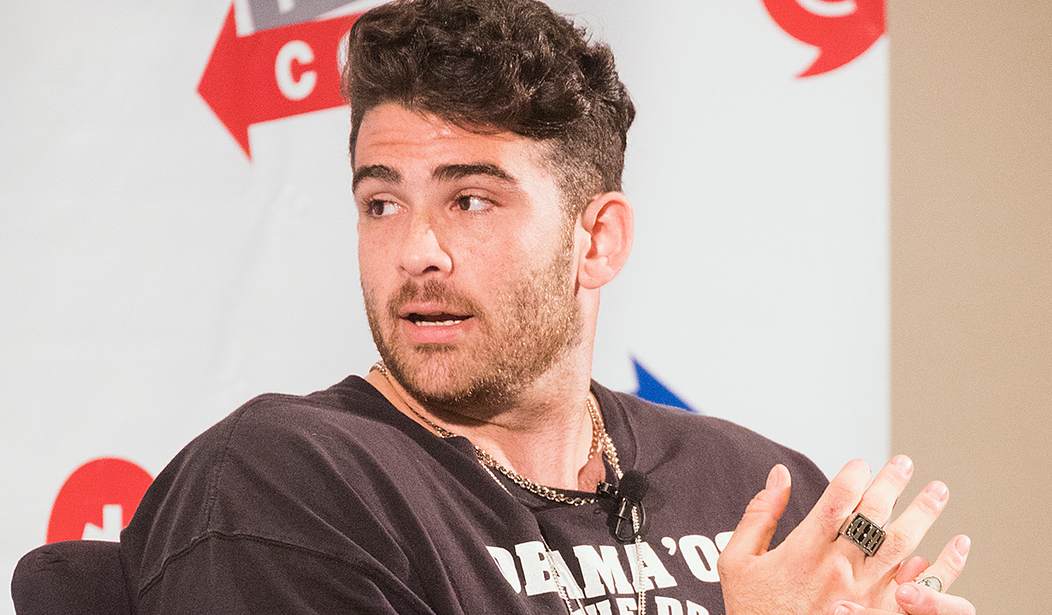
Hasan Piker is one such example. While he was always something of a leftist, his audience became so radicalized thanks to Piker's own unapologetic leftism that his audience is more or less in control of what he says and does.
Anna Kasparian, the co-host of The Young Turks, which is owned by co-host Cenk Ugyer, Piker's uncle, attacked Piker on X one day and exposed him as being "terrified" of his own audience.
Hasan is a slave to his audience. I've never seen a man more terrified of the people who watch his streams. I would never be jealous of that. https://t.co/0YfEMSCpMb
— Ana Kasparian (@AnaKasparian) February 2, 2025
As I've covered in one of my own YouTube videos, Hasan sometimes allows the dam to break, and he becomes enraged at his own audience for not allowing him to be anything but a radical leftist streamer.
And you can see this in many other influencers who have so backed themselves into a corner that taking any nuanced position would mean certain death for their careers.
Pearl Davis is an extreme anti-feminist who didn't start as one. She was a basic vlogger who would interview her fellow volleyball teammates about things. Candace Owens was once a tame enough conservative mind and an articulate enough speaker to warrant both Charlie Kirk and The Daily Wire taking a sufficient interest in her to feature her in front of their logos.
Even Hasan Piker started as a manosphere influencer who acted more like a shock-jock version of The Man Show.
Many influencers on the right went from being hardcore Republicans or even libertarian-minded people and went hard left because their audience demanded an anti-Trump stance while still wanting to be called "right-leaning" or Republican, and thus, you get the insanity that is The Lincoln Project.
If any of these people logged on to the internet and said, "You know, while I disagree with many things Trump does, there are several things I feel he is doing that are very beneficial," they would be excoriated by the very audience they radicalized to keep themselves financially solvent.
Influencers rise and fall all the time. Some are a lot less fortunate than others, but in my opinion, the least fortunate ones are those who are enslaved to the radicalism of their own audience.