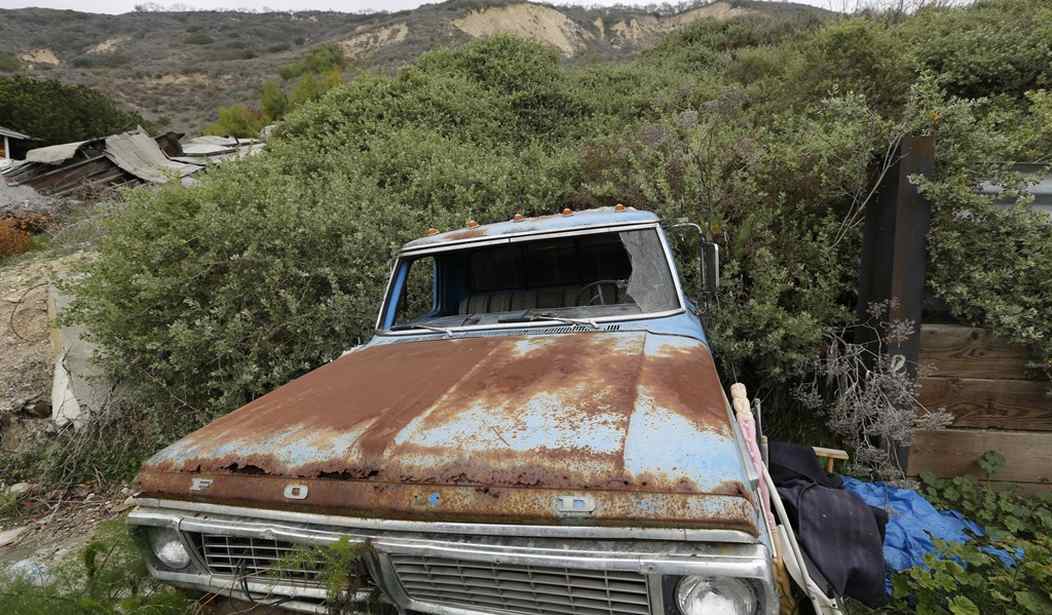

For whatever reason, I've been seeing a lot of memes pop up on my various social media feeds blasting modern-day appliances for being so trouble-prone with all their fancy computers, and longing for the simple, yet beastly, older versions that seemed to last forever. The ones that are harvest gold or avocado green in color – and are probably still going strong in our parents' houses.
Our current whiz-bangy dryer plays an entire song when a load of laundry is finished drying, making me long for the days of the annoying, yet blessedly brief, buzzer letting you know the cycle was complete. And I'm apparently not alone on this one.
Same. pic.twitter.com/S4fgT4g6g4
— Teri Christoph (@TeriChristoph) March 12, 2026
I posted this photo over at my Substack and got into a conversation with a man about how much we both miss "built to last." That may still be the tagline for Ford trucks, but it's also an apt description for the appliances of the past – they were like the Energizer bunny and only had limited options, which were controlled by low-tech knobs.
And they were the best. No LED lights, no songs, no bells and whistles. They just got the job done, and Mom rarely, if ever, had to call in a repairman. Although we know that the Maytag Man was ready when you needed him! These days, it's often cheaper just to replace the darn things than to get them fixed.
I miss "built to last."
Built to Last
Weirdly, just as I was getting bombarded with these memes waxing poetically about appliances, I came across an article that seemed to explain why Generation X, too, is built to last. It's apparently all down to something exercised by our parents called "benign neglect," and it makes a ton of sense.
Now, my fellow Gen Xers may have had a different experience, but here's where I'm coming from: parents born in the 1930s, lived through the Depression and World War II, and were definitely not Baby Boomers. I'm also the youngest of eight children (Irish Catholics, for the win!), so my parents were sort of done with parenting by the time I came around. In my case, "benign neglect" meant being mostly raised by your older siblings – and it was great. My parents were wonderful parents ... and so were my siblings.
READ MORE: Gen-X Files: Who Was Your First? (Concert, That Is)
How the Food Pyramid Tried to Kill Off Generation X
The article argues that the '60s and '70s accidentally produced a more emotionally durable generation of Americans not because parenting was better, but because it was looser when compared to today's helicopter parents. That's where the "benign neglect" comes in. We weren’t constantly protected from boredom, disappointment, awkwardness, or conflict.
If you were bored, you dealt with it – or mom would come up with a list of not-so-fun things for you to do. If you got into it with a friend, you worked it out – or it ended in minor bloodshed or some hair pulled removed from your scalp. If you got a scraped knee or your feelings got hurt, you got back up and went on with your day. Now, this didn't mean parents weren't involved when conflict arose, it's just that they were likely to blame you for whatever happened.
It's this regular exposure to discomfort that built emotional “calluses”: the ability to deal with frustration, the development of self-regulation controls, and the ability to survive a bad day without treating it like a life-ending catastrophe. Not to mention that so many of us were stereotypical "latchkey kids" who had to manage significant portions of our day without parental supervision.
Gen X became hard to rattle (and built to last) because our parents gave us the gift (whether or not that was the intention) of the space to fail, adapt, and bounce back without a committee meeting about our feelings.
The Veterans of Operation Desert Storm and Desert Shield Get a Monument in DC
I am somewhat ashamed for just now hearing that a monument is going up in Washington, D.C., honoring those who served – and those who gave their lives – in Operation Desert Storm and Operation Desert Shield.
The Desert Shield and Desert Storm memorial has concrete piles and foundations set, stone walls in place, and special features installed, according to the Interior.
The memorial design was inspired by a desert oasis. It features two curving walls circling a shady grove.
"A place of solemn appreciation and reflection, trees and the sound of water will add to the experience," said an Interior spokesperson.
The artistic elements on the wall are meant to represent the sacrifice, leadership, hardship, and success of American servicemembers who liberated Kuwait, according to the Interior.
Well, it's about time! The monument is expected to open to the public sometime this year.
And, of course, thank you to all who served!
Gen X Meme of the Week
My Gen X meme of the week. pic.twitter.com/kXnGlBHgDg
— Teri Christoph (@TeriChristoph) March 12, 2026