






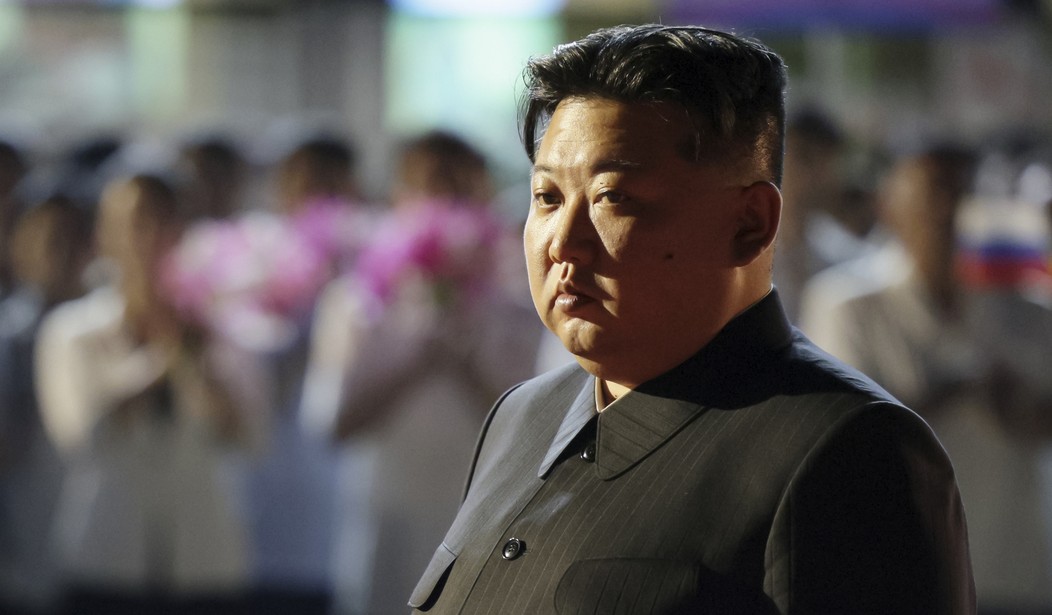
North Korea fired another ballistic missile into the sea this week, marking its 11th launch of 2026. The timing was no accident. It came just days before the United States and South Korea begin their annual Ulchi Freedom Shield exercises on Aug. 17.
Those drills last 11 days and will involve roughly 18,000 South Korean troops alongside American forces. Officials describe them as defensive training focused on combined operations, including responses to drones, electronic interference, and cyber threats drawn from recent conflicts. The objective is straightforward: South Korea must stay prepared for aggression from Kim Jong Un while he continues launching missiles in open defiance of United Nations bans.
Kim’s pattern is familiar. He treats joint exercises as provocations and answers with weapons tests that land in nearby waters. The launches violate multiple Security Council resolutions, yet they continue without meaningful interruption. Each one serves as both a technical experiment and a political signal that the regime will not be deterred by sanctions or empty statements of concern.
🇺🇸🇰🇷 B-1B Lancers Bring the Fire Over South Korea
— Defense Intelligence (@DI313_) August 14, 2026
US Air Force B-1B bombers and ROKAF F-15K fighter jets conduct live fire training in South Korea, showcasing their ability to operate together in a high intensity strike scenario.
Watch until the end, preferably with sound. 🔥… pic.twitter.com/JftBmmKdnz
The response from Seoul and Washington is essential and non-negotiable. Training of this scale maintains the operational readiness and joint coordination required if deterrence fails. It accounts for the reality that North Korea’s capabilities keep evolving — including lessons its forces have absorbed through deeper cooperation with Russia. Ignoring that progress would leave the alliance vulnerable to the actual threats Kim poses.
Critics frequently frame these exercises as escalatory, but that view reverses basic cause and effect. North Korea resumes ballistic testing first. The allies then conduct planned defensive drills that have occurred for years. The training does not create the danger; it responds to a hostile regime that has consistently relied on coercive missile diplomacy.
North Korea threatens 'overwhelming' response to US-South Korea joint military drills — KCNA
— Avinash K S🇮🇳 (@AvinashKS14) August 14, 2026
Pyongyang claims the exercise that begins August 17 is not merely 'defensive' but rather 'provocative', simulating modern warfare, including drone, electronic and cyber operations pic.twitter.com/JxGQYRtAiQ
Kim Jong Un has long tested the U.S.-South Korea alliance, including an April barrage of multiple ballistic missile tests. North Korea fired a series of ballistic missiles from the Sinpo coastal region, marking its seventh launch event of the year. Before that, they were directing widespread GPS signal jamming along South Korea’s northwestern border islands and launched thousands of trash-filled balloons into South Korean airspace, interfering with civilian navigation and local infrastructure.
Alliance readiness remains the practical foundation of stability on the Korean peninsula. South Korea faces a neighbor that has rewritten its constitution to enshrine its nuclear weapons status and shows no interest in genuine restraint or past diplomatic theater. Regular joint exercises test command structures, logistics, and real-world scenarios under pressure. They send a clear signal that the alliance relies on peace through strength rather than passive appeasement.
#BREAKING: 🇰🇵🇺🇸🇰🇷 North Korea vows firm steps and a new level of deterrence against US South Korea drills it brands war training#NorthKorea #UlchiFreedomShield #DPRK pic.twitter.com/5xN8fbMvyT
— Twilight (@TwilightDewy) August 14, 2026
This year’s iteration incorporates updates drawn directly from modern battlefields. That adaptation is common sense. Threats change, and training must evolve to counter them. Static exercises that fail to match the opponent’s actual methods are a liability.
Kim Jong Un has shown he will keep testing missiles while pursuing expanded nuclear capabilities. The United States and South Korea have shown they will continue preparing their forces to meet that threat. The Ulchi Freedom Shield drills are not theater — they are the routine, disciplined work required to maintain military deterrence against a determined adversary. In a region where words alone have never restrained Pyongyang, operational readiness remains the only reliable policy.
Editor's Note: Do you enjoy RedState's conservative reporting that takes on the radical Left and woke media? Support our work so that we can continue to bring you the truth.
Join RedState VIP and use promo code FIGHT to receive 60% off your membership.


Join the Conversation
VIP members get the ability to comment on articles.