








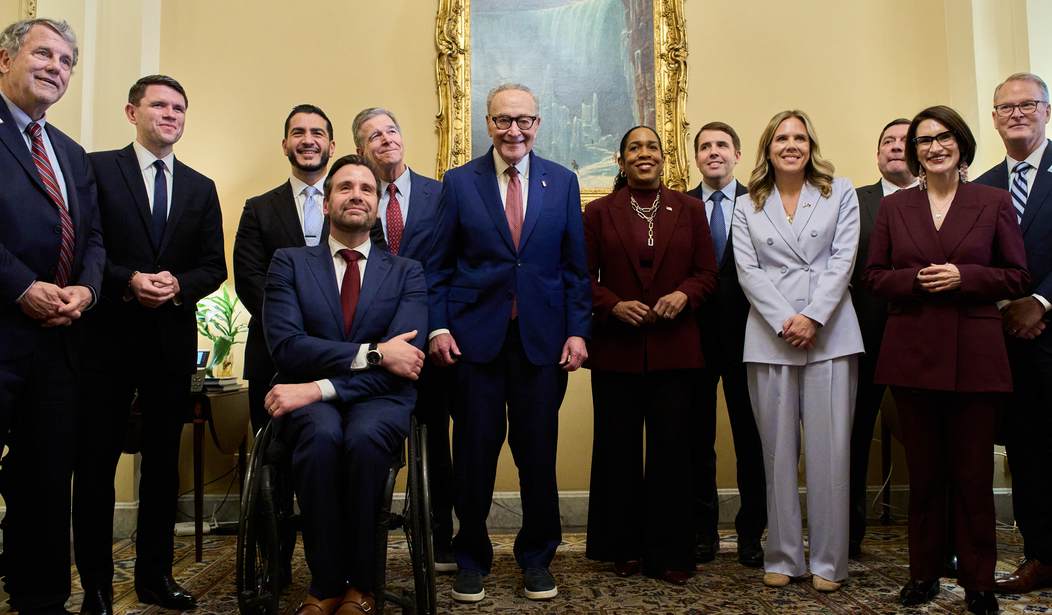
The 2028 campaign season, as is usually the case in this hyper-connected age, began the moment the polls closed for the 2026 midterm elections. Now the Democrat Party is looking to recapture the White House in 2028, and they are dead serious about it. And, for once, they seem to be doing something that's on the smart side: They are planning to subject their own candidates to a grueling cycle of 12 primary debates with up to 20 candidates, to thin out the pack and to put a fine edge on whoever their eventual candidate will be.
That's not the worst idea ever floated in a presidential election primary season.
Twelve debates. Up to 20 candidates split across two stages. And it all kicks off in June.
The Democratic National Committee on Monday unveiled its initial plans for the 2028 presidential primary debates, before a single major candidate has launched a campaign.
The DNC is employing a similar model to what it used in the last open primary in 2020, mapping out a dozen debates from June 2027 through March 2028. Five will be held in 2027, with seven to follow the next year. That includes debates in each of the six early primary states, all in 2028.
We all remember some key moments from those 2020 debates, most notably then-Democrat candidate Tulsi Gabbard absolutely destroying then-Senator Kamala Harris on her record as a prosecutor, after which Harris left in embarrassment before the first primary vote was cast, and who yet somehow managed to end up as the least competent vice president in American history. Oh, and we can probably expect to see her on these debate stages, as well. We'll see if she manages an equally humiliating performance.
There's another catch for the Democrats' primary candidates: They have to sign a pledge denouncing "dark money," which pledge will be every bit as valuable as the paper it's printed on.
The Democratic National Committee will hold 12 presidential primary debates and any candidate who wants to participate must sign a pledge denouncing dark money, according to the framework the DNC announced Monday morning.
While the number of debates and the requirements appear similar to the 2020 Democratic primary, the dark money pledge is new, as is the explicit incorporation of digital creators and influencers in the debates.
There will be ways around that; bet on it.
In the meantime, the Republican National Committee would be well-advised to look at this debate schedule. We have a few presumed candidates already: Vice President JD Vance, Secretary of State Marco Rubio, and the outgoing governor of Florida, Ron DeSantis, just to name a few. There will doubtless be more. And that's fine; let a thousand flowers bloom, and let's run them through the wringer. Stress-test them. Make them face each other and an audience. It may even be harder for Republicans than it is for Democrats, as the debate moderators are far more likely to be hostile; we've certainly seen that time and again.
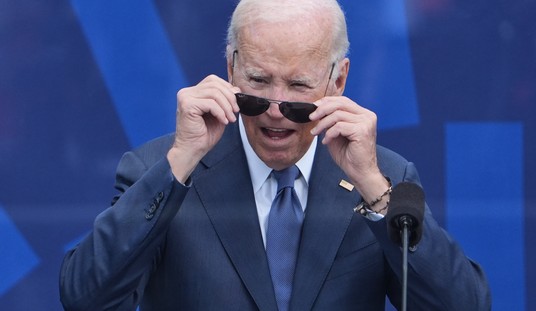
Politics can be a very Darwinian process. A rigorous debate schedule can help weed out the weaker candidates and put an edge on the eventual nominee. It doesn't always work as intended; Democrats went with befuddled old Joe Biden in 2020, after all. But it's worth a shot. Democrats are going to use every tool in the box to win in 2028, and Republicans better be ready to do the same.
Editor's Note: The Democrat Party has been infected by socialism, and it's spreading FAST. Democrats are claiming there's nothing to worry about, but we know the truth.
Help us continue to shine a light on the socialist takeover by joining RedState VIP. Use promo code FIGHT to get 60% off your VIP membership.
Join the Conversation
VIP members get the ability to comment on articles.