






During the Revolutionary War and before, war at sea was fought with some very different presumptions. The crews of warships were often as not paid in part by prize money, money earned from the ships and cargoes they captured. This process was handled by something called a maritime prize court. These courts would adjudicate the legality of any ship and cargo seizures under existing maritime law; they could also order the sale of ships and cargoes, with the proceeds going to the ship's company.
The recipients of prize money weren't always regular navy forces, either. Governments, including the newly formed United States government, would, in those times, issue something called a letter of marque, authorizing privately owned warships to hunt enemy ships on the high seas; these ships and their companies were called privateers. And, yes, the unfortunate side effect of that was that some of the privateers, when the war they were authorized to help fight ended, turned to piracy.
Now, though, the Department of Justice may be reactivating the maritime prize courts, something the United States has not done since our Civil War.
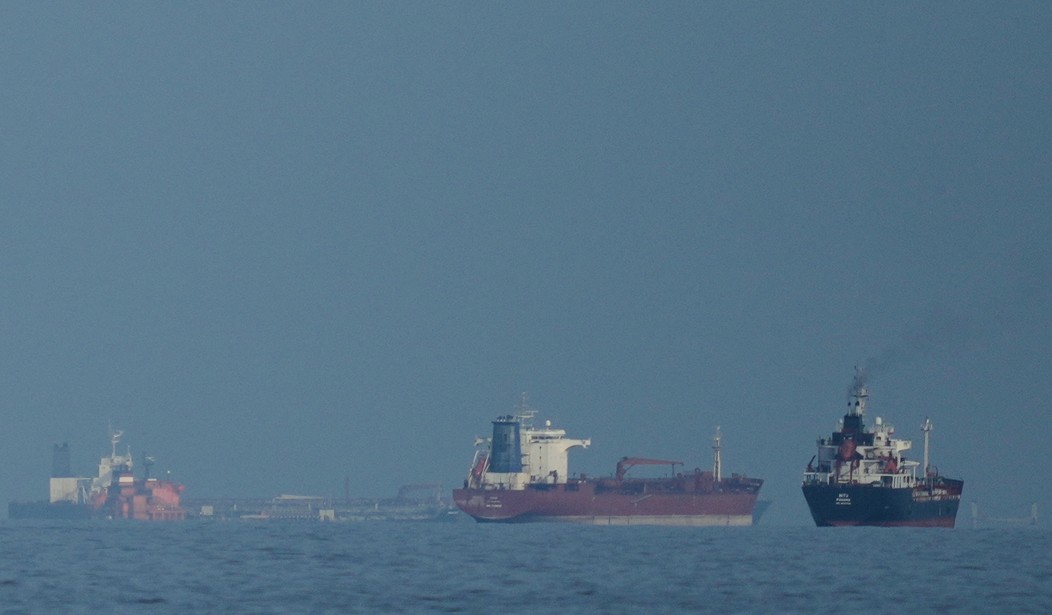
The Justice Department is preparing to activate a long-dormant maritime war court to streamline military capture of Iranian oil tankers as US prizes, according to three people familiar with the plans.
Reviving prize courts, which is expected to face legal challenges, is intended to strengthen the blockade of Iran and offset the cost of the conflict.
Aaron Reitz, the Houston-based US attorney whose office is partnering with department headquarters on the initiative, confirmed DOJ is “now reviving” prize courts, which he described as an “ancient body of maritime law.”
The unfinalized plans, if adopted, would offer a faster path for federal prosecutors to claim oil and other cargo taken from enemy or neutral vessels as US property. The seized goods would then be sold with proceeds transferred to the treasury.
Note the key difference: the proceeds would go to the Treasury, not to the crews of the warships involved. That's probably for the best; perverse incentives may ensue if ships' companies started receiving payouts based on the value of cargoes seized. This makes the entire thing more of a "covering the cost of our deployments" issue and less of a, well, mercenary one. And, considering the amount of money all this is costing the American taxpayers, it's not the worst idea.
As to why the Department of Justice is considering reviving these courts now, it seems that the currently used civil forfeiture process is getting bogged down by competing claims.
Legal experts see civil forfeiture as an imperfect model for US interests in choking the economy of Iran and other adversaries.
In one ongoing case, the seizure of a Venezuelan supertanker that supported Iran led to DOJ filing a civil complaint seeking to liquidate the ship and cargo as US proceeds.
Multiple third parties, including the shipping company and families of Iranian terrorism victims holding judgments for payouts under a different statute, have intervened, bogging down that process.
Prize authority, while coming with its own legal risks, would entail a less complicated transfer of proceeds, allowing the US to mitigate the risk of outside claimants slowing down the sale, said Luzwick and other lawyers.
There has not been any discussion, however, of reviving the issue of letters of marque. That may be for the best; matters in that part of the world are complex enough without privateer ships operating on the high seas, seizing ships and cargoes willy-nilly and loading the new maritime prize courts down with claims, entertaining as that would be. Modern warships are a considerable capital investment, but it doesn't take a modern warship to seize a plodding tanker; Somali pirates have done it with speedboats and AK-47s, so a modern privateer, one would think, would be able to do likewise. The crews should be issued cutlasses, too. It's traditional.
Away boarders!
Editor's Note: Thanks to President Trump and War Secretary Pete Hegseth's leadership, the warrior ethos is coming back to America's military.
Help us continue to report on Trump and Hegseth's successes as they make our military great again. Join RedState VIP and use promo code FIGHT to receive 60% off your membership.



Join the Conversation
VIP members get the ability to comment on articles.