






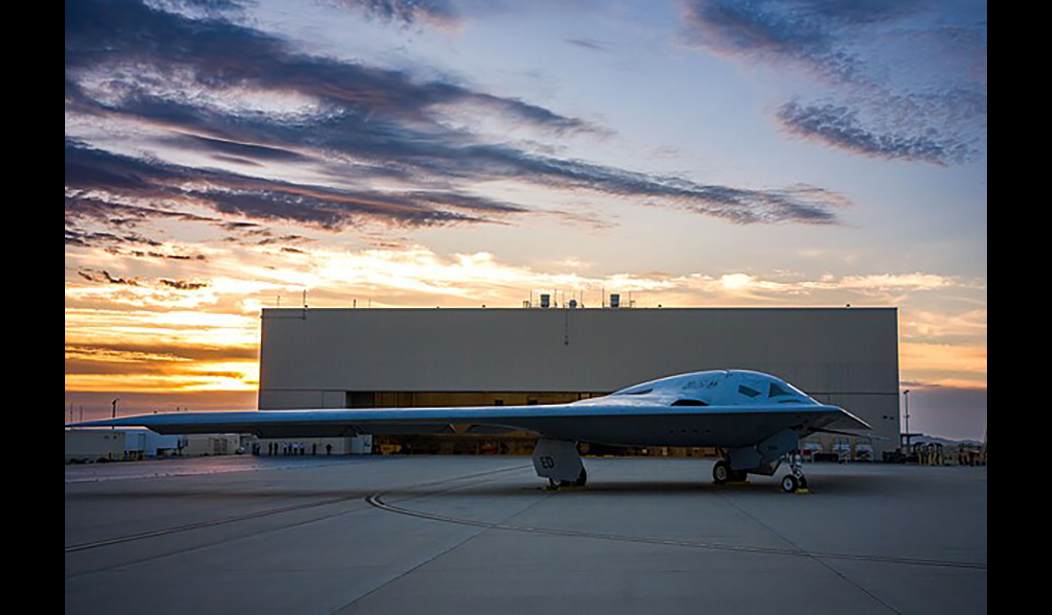
The new B-21 Raider is in the air. At least, the first one is. It looks cool, it looks stealthy, it looks deadly, and now we are getting our first good look at the topside of this new cutting-edge stealth bomber.
We have just gotten our first full overhead image ever of the B-21 Raider. The photo was taken during the Raider’s initial aerial refueling trials, which TWZ was first to report on. While a head-on slightly elevated image of the B-21 has been released, one showing the entire aircraft from a steep upper perspective has not. The same can be said for any image showing the next generation bomber’s exhaust, which is one of the most sensitive parts of a very low observable aircraft’s design.
The images of the first B-21 airframe, nicknamed Cerberus, undergoing testing in the pre-contact position behind the tanker were included with a release from its manufacturer, Northrop Grumman. It states, in part:
“As the most fuel-efficient bomber ever built, the B-21 consumes a fraction of the fuel used by fourth- and fifth-generation aircraft. This reduces demand for theatre tanker logistics and provides operational commanders with greater flexibility in force packaging.
With more than $5 billion invested in digital technologies and manufacturing infrastructure for the B-21 program, Northrop Grumman is accelerating its production, with the first aircraft planned to arrive at Ellsworth Air Force Base in 2027.“
Here, take a look:
First overhead look at the new B-21 Raider (Northrop Grumman) and the B-2 Spirit it's replacing. pic.twitter.com/OgZodOPNLZ
— Ward Clark (@TheGreatLander) April 15, 2026
Here's a side view:
And a side view during refueling. pic.twitter.com/AbKYMQ4or1
— Ward Clark (@TheGreatLander) April 15, 2026
Next to the tanker, the B-21 looks downright little. But it's got it where it counts.
Read More: New Report: 300 F-47s and 200 B-21s Needed to Defeat China
US Air Force's New B-21 Reportedly Has the Radar Profile of an Insect
The B-21’s extreme endurance is a key component of the Long-Range Strike Bomber (LRS-B) concept. The aircraft is smaller than a B-2, but will be able to fly farther, relying on a planform design that predated the B-2 Spirit and is optimized for high-altitude, highly-efficient flight. The B-21 likely relies on two engines, based on images showing the aircraft’s contrails and general design cues, not four, as found in its predecessor. The aircraft will also have a smaller weapons payload than the B-2, but will carry an extreme amount of fuel to help it reach farther from a tanker. You can learn more about the evolution of the B-21 and its B-2 roots in this past feature of ours.
The TMZ article linked here cautions us that certain features of the B-21 may have been digitally altered to preserve some of its more confidential design attributes. As the article notes, for example, the engine exhausts are set forward on the aircraft, but there doesn't appear to be any heat-resistant coating on the surfaces behind the exhaust. This may mean that the photo was altered for security reasons, or that the engines run (somehow) surprisingly cool, which again isn't something you'd want any possible adversary to know about.
This is fascinating stuff if you are, like me, something of a military hardware junkie. And how fast things change! My WW2 veteran Dad reminded me regularly that the last airplane he ever flew in was a B-17, which was the state of the art then, but he lived to see the B-2 in service, and marveled at the then-new stealth bomber. I wonder what he would make of this.
Now, the question becomes this: How long before China comes up with something that looks strangely similar?
Editor’s Note: Thanks to President Trump and his administration’s bold leadership, we are respected on the world stage, and our enemies are being put on notice.
Help us continue to report on the administration’s peace through strength foreign policy and its successes. Join RedState and use promo code FIGHT to get 60% off your VIP membership.



Join the Conversation
VIP members get the ability to comment on articles.