








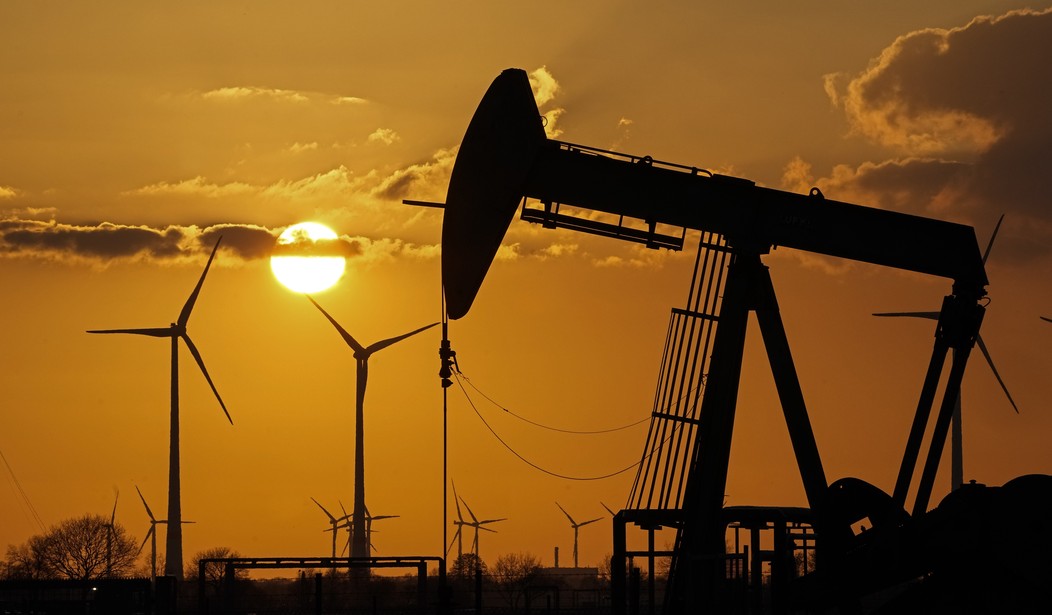
Global oil prices have been rising since the beginning of Operation Epic Fury, which should come as a surprise to no one, since Iran is a player in global petroleum markets and the problem the world faces with the Iranian theocratic regime is at present being addressed by the suitable application of American and Israeli high explosives. But the resulting price shock isn't good for the economies of nations worldwide.
To help with that, the International Energy Agency (IEA) is releasing 400 million barrels of oil to address the supply side of the problem.
The International Energy Agency on Wednesday agreed to release 400 million barrels of oil to address the supply disruption triggered by the Iran war, the largest such action in the organization’s history.
The IEA did not set out a timeline for when the stocks would hit the market. It said that the reserves would be released over a timeframe that is appropriate to the circumstances of each of its 32 member countries.
That's about four days' worth of global petroleum consumption, or about a month's worth of consumption for Europe. What effect that will have on prices remains to be seen.
Even so, this is the largest reserve release that the IEA has authorized in its history.
IEA members are primarily advanced economies in Europe, North America and Northeast Asia. The organization is tasked with maintaing global energy security. It was founded in 1974 in response to the oil embargo imposed by Arab producers over U.S. support for Israel during the 1973 Arab-Israeli war.
“The conflict in the Middle East is having significant impacts on global oil and gas markets, with major implications for energy security, energy affordability and the global economy for oil,” IEA Executive Director Fatih Birol said in remarks broadcast from the group’s headquarters in Paris.
“I can now announce that IEA countries have unanimously decided to launch the largest ever release of emergency oil stocks in our agency’s history,” Birol said. IEA members currently hold more than 1.2 billion barrels of public emergency oil stocks, with a further 600 million barrels of industry stocks held under government obligation.
It's almost as though the nations of the European Union are admitting that petroleum plays an essential part in their economies.
Read More: New: Iran Security Chief Fires Back at Trump’s Oil Ultimatum
Oil Prices Surge Then Plunge Amid Optimism Over U.S.-Israel War With Iran Nearing End
This act is, according to the IEA, in response to Iran's threats to close the Strait of Hormuz; about 20 million barrels of oil a day currently transit the Strait at the moment, and the ongoing fighting between the USA and Israel on the one hand and Iran on the other is a threat to that shipping. Iran controls the eastern side of the Strait, and while it's unclear whether they can actually keep the Strait of Hormuz closed with what they have left, it's still a real risk to shipping.
Oil prices have been all over the place since the February 28th initiation of hostilities:
Oil prices have been extremely volatile since the outbreak of the Iran war on Feb. 28, with global benchmark Brent crude rallying to nearly $120 a barrel at the start of the week, before falling back to around $90.
Stay tuned, because things on the energy front may get wilder before this is all wrapped up.
Editor’s Note: Thanks to President Trump’s leadership and bold policies, America’s economy is back on track.
Help us continue to report on the president’s economic successes and combat the lies of the Democrats. Join RedState VIP and use promo code FIGHT to get 60% off your membership.

Join the Conversation
VIP members get the ability to comment on articles.