








Oil prices surged to their highest levels since 2022 on Monday before a dramatic reversal, briefly spiking above $119 per barrel amid wild swings but pulling back sharply on growing optimism from President Trump's statements and G7 actions. Brent crude, the international standard, and WTI, the U.S. benchmark, both hit intraday highs near $119 before settling around $85-88 for Brent and $80-84 for WTI as of Tuesday morning, erasing much of Monday’s 30 percent gains in one of the largest reversals on record and extending the pullback further today amid no new escalations.
Unsurprisingly, the surge stemmed from the U.S.-Israel war with Iran entering its second week, effectively halting most tanker traffic through the Strait of Hormuz and triggering a historic global oil supply disruption, but markets rallied back as Trump's comments suggested the conflict is winding down.
As fears of prolonged shortages initially gripped markets, Western nations acted swiftly to counter the shock, with G7 finance ministers convening an emergency call coordinated by the IEA to discuss releasing strategic reserves, which helped instill confidence back into the market, thereby helping to moderate prices.
READ MORE: Energy Secretary Chris Wright Has Good News for People Concerned About Gas and Oil Prices
Escalating tensions from U.S.-Israel strikes on Iranian nuclear energy continue to be the primary driver of the price shocks, especially as energy infrastructure was attacked throughout the Gulf. Israel has targeted Iranian oil targets, including major fuel storage depots and production facilities in Tehran and surrounding areas for the first time in the conflict, sparking massive fires and allegedly drawing strong reactions from the Trump administration. Iranian retaliatory attacks, including on Gulf facilities and vessels, have added to the regional instability, with prices jumping 25 to 30 percent as uncertainty over the war's duration grew.
Compounding this is the near-total closure of the Strait of Hormuz, handling nearly a third of global oil and liquified natural gas traffic.
Iran continues to attack tankers with the IRGC claiming drone strikes on at least four to eight vessels in recent days for allegedly disregarding warnings or violating the strait's effective closure (with cumulative reports now indicating at least 10-17 vessels impacted overall since the crisis began). These attacks have stranded hundreds of vessels. Charter rates for supertankers have doubled or more, and insurance premiums have exploded, adding to skyrocketing costs. Oil-producing nations like Iraq, Kuwait, the UAE, and Saudi Arabia have curtailed production due to storage issues and blocked exports amid the Hormuz disruptions, though OPEC members have a long history of using output reductions strategically for price manipulation and geopolitical posturing. In response, the G7 convened an emergency call with the IEA on Monday morning to discuss a coordinated release of emergency reserves, with the US and at least three others expressing support. Officials floated drawing 300 to 400 million barrels (roughly 25 to 30 percent of IEA public stocks) to stabilize markets and avert prolonged shocks.
ALSO SEE: Maritime Lifeline: Trump Offers Straits of Hormuz Naval Escorts, Political Risk Insurance
The G7 and IEA held additional talks on Tuesday but stopped short of a final decision, instead tasking the IEA with assessing scenarios for potential releases while signaling readiness to act if conditions worsen.
The discussion helped moderate prices in the last 18 hours, pulling them back from intraday peaks despite no final decision having been made.
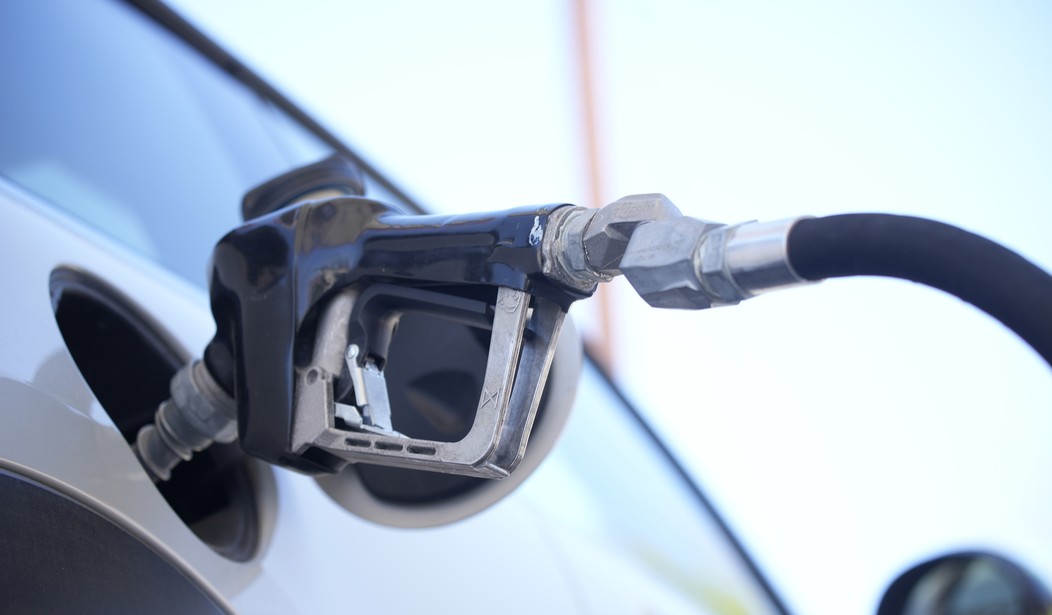
American drivers have faced immediate consequences, with the national average gasoline price climbing to around $3.54 per gallon (up over 30 cents in recent days). In California, prices have risen steeply to about $5.20-$5.25 or more for regular unleaded, driven by the nation's highest gas taxes. It doesn’t help that the state uses a costlier blend, has suffered refinery closures thanks to Democrat leadership, and is in the midst of spring demand.
Discussions of releasing reserves have offered a serviceable band-aid, but the conflict's duration remains uncertain. Signs from the Trump administration seem to indicate that the war is drawing to an end because of how the regime has been depleted, with President Trump stating, "I think the war is very complete” and that it will be ended “soon."
Building on these reassurances, President Trump emphasized on Tuesday morning that U.S. forces have struck over 5,000 targets, calling the operation a "short-term excursion" ahead of schedule with "tremendous success." He went on to warn Iran that any full halt to oil flows in the Strait of Hormuz would trigger a response "20 times harder," vowing to destroy key targets to prevent Iran from rebuilding. As oil prices retreated from their dizzying heights, President Trump’s reassurance and support behind G7 action are a reminder that decisive leadership can turn panic into calm, at least for now.
Editor's Note: For decades, former presidents have been all talk and no action. Now, Donald Trump is eliminating the threat from Iran once and for all.
Help us report the truth about the Trump administration’s decisive actions to keep Americans safe and bring peace to the world. Join RedState VIP and use promo code FIGHT to get 60% off your VIP membership.

Join the Conversation
VIP members get the ability to comment on articles.