








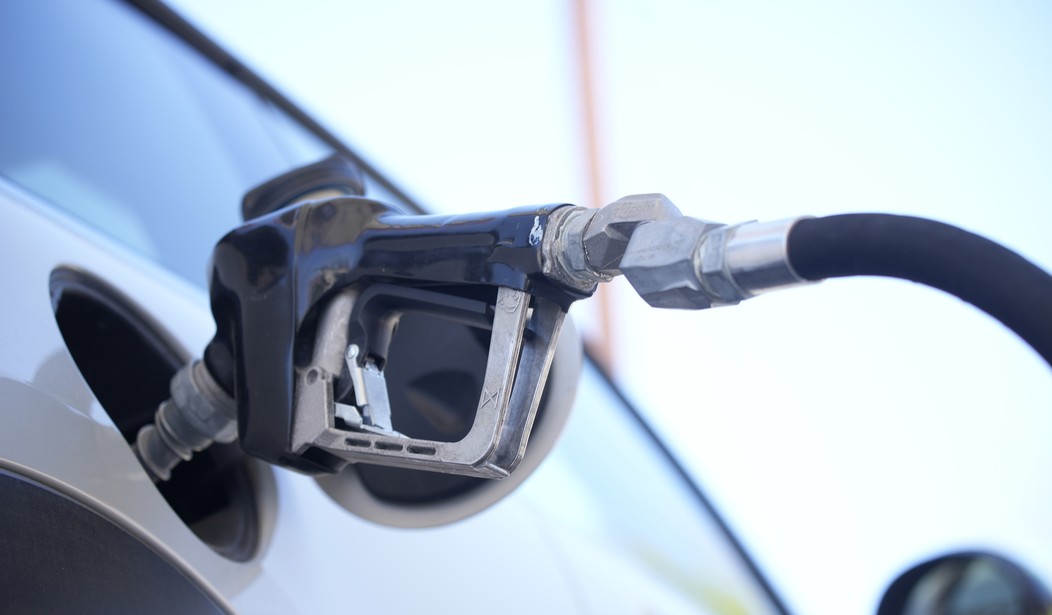
Gasoline prices are mostly dropping, and that's a good thing. There are fewer better ways to boost the economy than to reduce fuel and energy prices. Now, a new report notes that gasoline prices are dropping thanks to increased development under the Trump administration - but not everywhere. Secretary of the Interior Doug Burgum, on Wednesday, took to his X account to share the news.
Policies drive prices!
— Secretary Doug Burgum (@SecretaryBurgum) February 4, 2026
States following @POTUS’ American Energy Dominance Agenda have considerably lower gas prices than states following the Green New Scam! https://t.co/gELjeMZodX
Here's the fun thing: Secretary Burgum was responding to another X post, from Press Secretary Karoline Leavitt, who noted the exception to the rule.
"The lowest gas prices in California and Washington were higher than other states' highest prices in 2025."https://t.co/Crh76GqCkz pic.twitter.com/fKsAAIWgyv
— Karoline Leavitt (@PressSec) February 4, 2026
Here's the thing: All of this isn't just about extraction and development. Refining capacity makes a big difference as well, which is why those of us up here in the Great Land are paying around $3.50 for gasoline and, in some places, near to $4 a gallon for diesel. Why, you ask? Alaska is sitting on vast oil reserves, but we have very little refining capacity; some diesel is produced here, but no gasoline.
But our situation is rather unique. In the cases of California and Washington, it's regulation and taxation that are causing fuel prices that could summit Everest.
Read More: From Pilot to Policy: California’s Quiet March Toward a Vehicle Mileage Tax
California’s Oil Refining System Has Collapsed, and One Region Is Ground Zero
A Washington Post piece cited by Karoline Leavitt states in part:
In a year when the buzzword in politics was “affordability” and inflation was voters’ top concern, gasoline prices were a bright spot. The national average price for a gallon of regular gasoline in 2025 declined by 21 cents from the year before, to $3.10, and 2025 was the third straight year of falling prices, according to the Energy Information Administration.
But the West Coast stands apart. Four of the EIA’s five regions had similar average gas prices in 2025. The West Coast region was over $1 higher. It pulls up the national average so far that the other four regions are all below it, even the East Coast, which uses the most gasoline.
Other states, though, have gasoline taxes that are not that far off of California and Washington. So why the difference?
Here's the onion:
California and Washington are the only two states with economy-wide cap-and-trade programs. California’s program raises the price of gasoline by forcing gasoline suppliers to buy allowances. Those higher costs are eventually passed on to drivers. The California Legislative Analyst’s Office estimates that cap-and-trade raises the retail price of gasoline by 23 cents per gallon.
Ay, there's the rub. California and Washington are appeasing the climate scolds, and the ordinary residents of those states are paying the price - literally.
Fuel prices are at the very heart of our economy. The cost of fuel is at the heart of everything in our economy. Everything. When fuel prices go up, so does everything else.
The Trump administration is making reducing energy costs a priority, and so far, it's working. But the administration would do well to take a lesson from Alaska: We need not only more oil, but more refineries.
Editor’s Note: Do you enjoy RedState’s conservative reporting that takes on the radical left and woke media? Support our work so that we can continue to bring you the truth.
Join RedState VIP and use the promo code FIGHT to get 60% off your VIP membership!



Join the Conversation
VIP members get the ability to comment on articles.