






I was six years old the first time I visited the United States. For a boy from Venezuela, everything in America was fascinating: the technology at the airport, the enormous highways, the new cars. I described the trip to friends as if I had traveled into the future.
But something else captured my attention: the grocery stores.
I walked through aisles filled with colorful packages and brands I had never seen before. Then I spotted something familiar: Oreos. Except there was not just one kind. There were varieties of Oreos I did not know existed. That kind of abundance is not ordinary in human history. It is one of the great achievements of free markets.
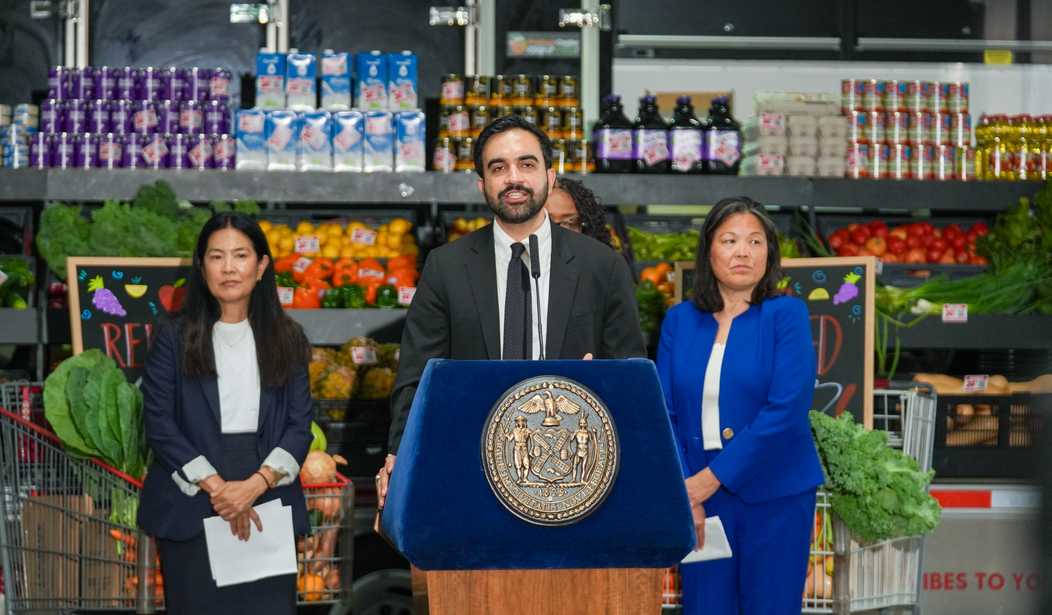
Now, New York City Mayor Zohran Mamdani wants to move in the opposite direction. His administration plans to open five city-owned grocery stores by the end of his first term. The city has committed $70 million in taxpayer funding and promises discounts of up to 30 percent on produce, on meat, and on a list of pantry staples. Private operators will run the stores, but the city government will own them, will set the prices, and will fund them with taxpayer money.
The first store, in East Harlem, is projected to cost taxpayers $30 million to build. But grocery executives from private industry say a typical 15,000-square-foot supermarket costs less than $10 million. The president of the National Supermarket Association said even a high-end gourmet store in Manhattan would not cost that much.
And don’t assume the government is making food cheaper just because it sells food at a discount. A discount does not lower the cost of growing, shipping, and stocking groceries. It only changes who pays. When the shelf price falls below what the food costs, the difference is paid by you, the taxpayer.
New York’s private grocers are now challenging the plan in court.
The National Supermarket Association, which represents hundreds of independent grocers, and two local stores in Harlem and the Bronx have filed a federal antitrust lawsuit alleging that the plan amounts to predatory pricing.
Antitrust laws too often punish successful private businesses simply for being profitable. But if there is ever a legitimate antitrust concern, it is when the government enters a market with advantages no private business can match.
Courts may struggle with this case because predatory-pricing law assumes a rival must eventually raise prices to recoup its losses. The city never has to. It can lose money year after year and send the bill to taxpayers. That is exactly what makes it more dangerous than any private competitor.
Grocery stores typically operate on net profit margins of only 1 to 3 percent. Imagine spending years saving money, obtaining permits, leasing a store, and hiring employees. Then the city opens a competing store down the block. This is not hypothetical. One of the grocers suing the city sits a block from a planned municipal store. Your new competitor has effectively unlimited money because it is funded by a government which can take more money from you by force via taxation. The grocer is literally forced to finance the very government competitor created to undercut him. That is not merely unfair. It is immoral.
Supporters argue five stores are a drop in the bucket in a city with roughly 1,000 full-service grocery stores. But a subsidized supermarket does not have to destroy every grocer in New York to cause harm. It only has to divert enough customers from nearby businesses operating on thin margins.
Venezuela tried this. Its government ran state grocery chains such as Abastos Bicentenario, built partly from supermarkets it seized from private owners. They did not create abundance. They became known for empty shelves, long lines, and for rationing. And the regime eventually tied access to subsidized food to political loyalty through its “Carnet de la Patria” ID card. A government powerful enough to feed you is also powerful enough to decide whether you deserve to eat.
New York is not Venezuela, and five municipal supermarkets will not turn it into Venezuela overnight. But putting the government in charge of grocery stores wastes resources, expands the state’s power, and undercuts the private businesses that already feed the city.
A private grocer who wastes money and fails its customers loses capital and eventually closes. That risk creates accountability. A government store facing the same problems does not have to weigh the same risk.
Nobel Prize-winning economist Milton Friedman famously described four ways to spend money—and the worst way is to spend somebody else’s money on somebody else. You have little incentive to control the cost or care about what the recipient gets. That describes government. The bureaucrats behind these stores will not bear the cost of overspending or of poor quality, because they are spending someone else’s money. A $30 million price tag for a single store is an early indicator of how government spends someone else’s money on someone else.
New Yorkers are right to worry about grocery prices. But private grocers earning a penny or two on the dollar are not the problem. Government is the problem—through inflation, taxes, excessive regulations, and countless other burdens that raise the cost of doing business. City Hall would do well to focus on alleviating those burdens first.
American grocery stores amazed me as a child. Behind every package I saw, there was a network of farmers, manufacturers, truck drivers, investors, retailers, and entrepreneurs responding to the voluntary choices of millions of people.
But if Mayor Mamdani gets his way, Gotham’s grocery stores will begin to resemble the bodegas of Venezuela.
Franklin Camargo is a Venezuelan-born PragerU personality, host of “Man on the Street,” and co-author of After Socialism, Freedom.
Editor’s Note: New York City is now facing the consequences of Mayor Zohran Mamdani’s socialist takeover.
Help us continue to report on his radical policies and expose the Democrats who support him. Join RedState VIP and use promo code FIGHT to receive 60% off your membership.

Join the Conversation
VIP members get the ability to comment on articles.