



A rare nationwide ground stop on Friday afternoon did more than strand passengers at airports. It scrambled college football schedules, forced last-minute adjustments for major wrestling events, and reminded everyone that America’s air traffic control system still runs on equipment better suited to a museum than a modern sky.
The Federal Aviation Administration halted departures across the country around 3:54 PM ET after a telecommunications outage disrupted air traffic control communications and radar feeds. The stop lasted more than four hours before the airspace reopened.
Transportation Secretary Sean Duffy pointed to problems involving the aging telecommunications network. He said a router flooded the system with data during routine work replacing copper lines with fiber, disrupting communications and radar feeds.
FAA Administrator Bryan Bedford said officials had found no evidence of malicious activity or an AI-related issue. Investigators were still determining whether installation error or faulty equipment caused the router problem.
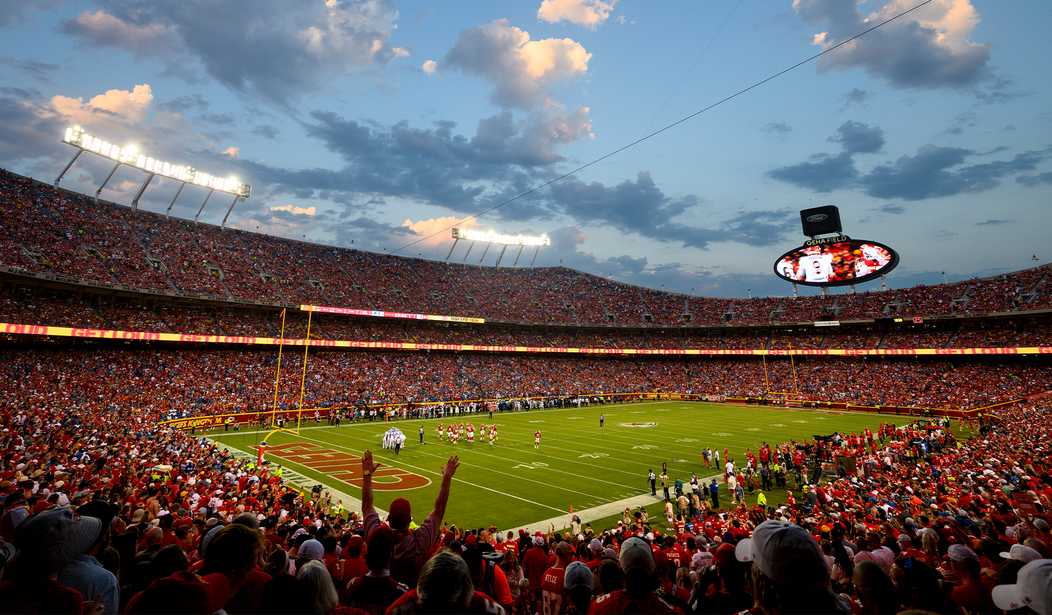
College football felt the impact first and hardest. Teams that normally travel on Fridays found themselves grounded. Ole Miss could not reach Oklahoma in time, so the Southeastern Conference moved that game to Sunday at 1 PM ET. Auburn boarded buses for Mississippi State and kicked off hours later than planned. Baylor, Arizona State, Utah, and several others saw kickoff times shifted.
🚨 Tony Khan announced that every wrestler scheduled for AEW Full Gear main PPV card has made it to Phoenix and will be on the show. Changes do have to be made to the Tailgate Brawl, however. #AEWFullGear https://t.co/zY7Twjbu9q
— WrestlePurists (@WrestlePurists) November 14, 2026
The Associated Press delayed its Top 25 poll until Monday so voters could account for the full slate of results, including the late Ole Miss-Oklahoma contest. Fans, players, and coaches adapted, but the disruption was unnecessary.
Professional sports faced similar headaches. NFL teams mostly avoided the worst of it because many travel on Saturdays, yet the broader system still created uncertainty for officials and support staff. In professional wrestling, AEW Full Gear in Phoenix required charter flights and last-minute travel fixes for talent still en route. TNA’s Destination X in Edmonton faced the same travel questions for performers who had not yet arrived.
Cards and logistics had to be watched closely until flights resumed. These are live events that depend on precise timing. When planes cannot leave the ground, promoters and athletes pay the price in uncertainty and extra cost.
The Associated Press has delayed the release of its Top 25 football poll by one day after the nationwide aviation shutdown disrupted the college schedule. https://t.co/Fz22Sb2MjU
— AP Top 25 (@AP_Top25) November 14, 2026
Duffy has been clear about the solution. The system needs a full overhaul, not more temporary patches. He has called on Congress for $50 billion to replace the aging infrastructure with modern hardware, software, and telecommunications.
The administration has already begun retiring floppy disks from facilities and installing newer systems at towers and centers. Duffy said newly installed IP switches did not go down during the outage, while older hardware did. That difference shows the value of moving faster.
This is not an abstract technology debate. Reliable air travel underpins college athletics, professional leagues, and the entertainment industry that millions of Americans follow each weekend. When a telecommunications outage forces a ground stop, the consequences cascade from stadiums to living rooms. Fans miss games or watch them at odd hours.
BREAKING: FAA says error during copper wire replacement or faulty router to blame for nationwide ground stop https://t.co/4qAS9K1KKC
— The Post Millennial (@TPostMillennial) November 14, 2026
Teams lose preparation time. Promoters rearrange cards under pressure. The public pays through delays and higher costs that eventually filter into ticket prices and travel.
Duffy’s push treats the problem as a practical one of competence and readiness. America should not accept 1980s technology as the backbone of its airspace in 2026. Replacing copper lines with fiber, updating routers, and giving controllers modern tools is basic maintenance of critical infrastructure.
Congress has heard the request. Funding a complete rebuild would reduce the chance of another nationwide stop and protect the schedules that matter to so many.
The ground stop ended, most games were played, and organizers worked around the travel disruptions. That outcome reflects good short-term management. It does not fix the underlying weakness. Investing in updated flight control equipment is the straightforward way to keep planes flying and events on time. The next outage does not have to scramble another sports weekend.
Editor's Note: Do you enjoy RedState's conservative reporting exposing the radical left and woke media? Support our work so we can keep bringing you the truth.
Join RedState VIP and use promo code FIGHT to receive 60% off your membership.


Join the Conversation
VIP members get the ability to comment on articles.