






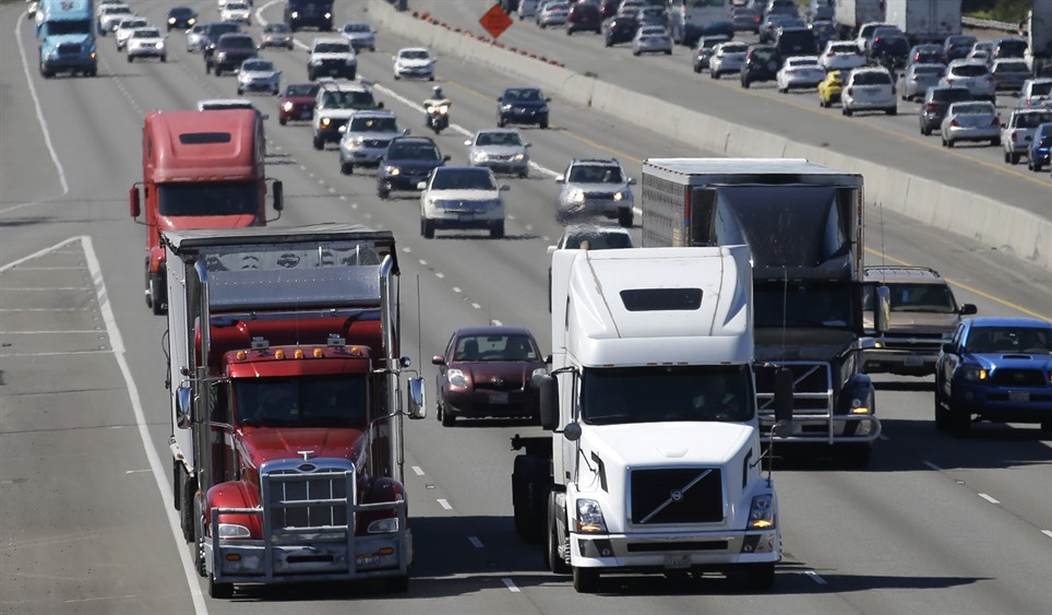
The Trump administration is moving to fill gaps in the trucking industry by encouraging military veterans to step into roles left open after a crackdown on commercial driver's licenses issued improperly to immigrants. This approach makes practical sense. It rewards service members with skills already honed behind the wheel of heavy vehicles while addressing a workforce need through legal, qualified Americans.
Under longstanding federal programs, veterans who operated military trucks weighing more than 2.5 tons in the past year and have two years of safe driving history in military heavy vehicles can skip the on-road skills test for a commercial driver's license. They still must pass the written exam. The GI Bill covers training costs for others, sometimes including housing support during school. More than 40,000 veterans have used similar waivers already. The new push builds on that foundation with targeted promotion to help fill seats vacated by drivers whose authorization to work in the United States did not hold up under review.
READ MORE: Trump Boots Deadly Illegal-Alien Truckers, Puts American Veterans Behind the Wheel
This is beneficial in several ways. Trucking remains essential to keeping shelves stocked and supply chains moving. A shortage of drivers has persisted for years. Turning first to men and women who served their country offers a straightforward way to strengthen that backbone without relying on imported labor that sometimes bypasses proper channels. Many veterans leave the military with discipline, mechanical knowledge, and experience handling large rigs under pressure. Giving them a smoother path to civilian careers aligns incentives well.
🚨ANNOUNCING: FREEDOM HAULERS 🚛
— Secretary Sean Duffy (@SecDuffy) July 24, 2026
America’s brave veterans answered the call to defend our freedom. We want those same strong values of duty, grit, and discipline on America’s roads for another mission: TRUCKING
NEW MISSION, SAME DEDICATION 🇺🇸@DeptVetAffairs @USDOL @DeptofWar pic.twitter.com/gAyhv5Pkik
Language barriers add another layer worth considering. Data on commercial licensing shows that a notable portion of recent immigrant applicants struggle with English proficiency, which is required for safe operation, reading signs, communicating at weigh stations, and understanding federal regulations. When non-English speakers obtain CDLs through uneven state processes, it raises legitimate questions about road safety and fairness in hiring. Veterans, by contrast, bring proven records and full command of the language needed to do the job right.
Prioritizing these veterans also carries clear human benefits. Many face higher risks of unemployment or homelessness after leaving service. Stable, well-paying trucking work can provide the structure and income to rebuild civilian life. Studies and program outcomes have shown that veterans in transportation roles often thrive, bringing reliability that employers value. This initiative quietly supports them without fanfare, focusing on results over rhetoric.
🇺🇸 I'M IN TEARS! President Trump just announced our VETERANS will REPLACE illegals as truck drivers ❤️
— Red Eagle Updates 🦅🇺🇸 (@RedEagleUpdates) July 22, 2026
“Any American that’s driven a heavy truck for our military is automatically eligible for a commercial drivers license”
THIS IS A MASSIVE WIN FOR AMERICA FIRST! 🔥
Do you… pic.twitter.com/RIrjQPBR46
Critics may frame the enforcement against unauthorized licenses as harsh. Yet the reality is simpler. Federal rules exist for a reason. When states issued tens of thousands of commercial licenses to individuals whose legal status did not qualify them, it created distortions in the labor market. Enforcing those rules and backfilling with citizens is not punishment. It is basic order. Pennsylvania and New York faced funding consequences for resisting audits and revocations, highlighting how uneven application of the law burdens taxpayers and legitimate workers.
The broader principle here is straightforward. America should take care of its own first, especially those who wore the uniform. Veterans already proved their capability in uniform. Extending opportunity to them in a critical industry like trucking represents sound policy. It reduces dependence on uncertain foreign labor pools and invests in people who have invested in the country.
🚨 HOLY CRAP! Border Czar Tom Homan just exposed it: Blue states are actively CONCEALING their Commercial Driver's License (CDL) rolls from ICE and CBP, shielding illegal aliens who go on to KlLL AMERICANS
— War Correspondent (@warDaniel47) July 24, 2026
Ban them from issuing CDLs! Defund!
"We've removed thousands of aliens… pic.twitter.com/fRqmIZeCUN
Implementation details will matter. States need clear guidance to process applications efficiently. Training programs should expand where demand exists. But the direction is right. By leveraging military experience and enforcing immigration rules consistently, policymakers can ease driver shortages while delivering on obligations to veterans. In an economy that still demands reliable freight movement, this targeted approach deserves support. It puts capable Americans back on the road where they belong.
Editor's Note: Do you enjoy RedState's conservative reporting that takes on the radical Left and woke media? Support our work so that we can continue to bring you the truth.
Join RedState VIP and use promo code FIGHT to receive 60% off your membership.



Join the Conversation
VIP members get the ability to comment on articles.