






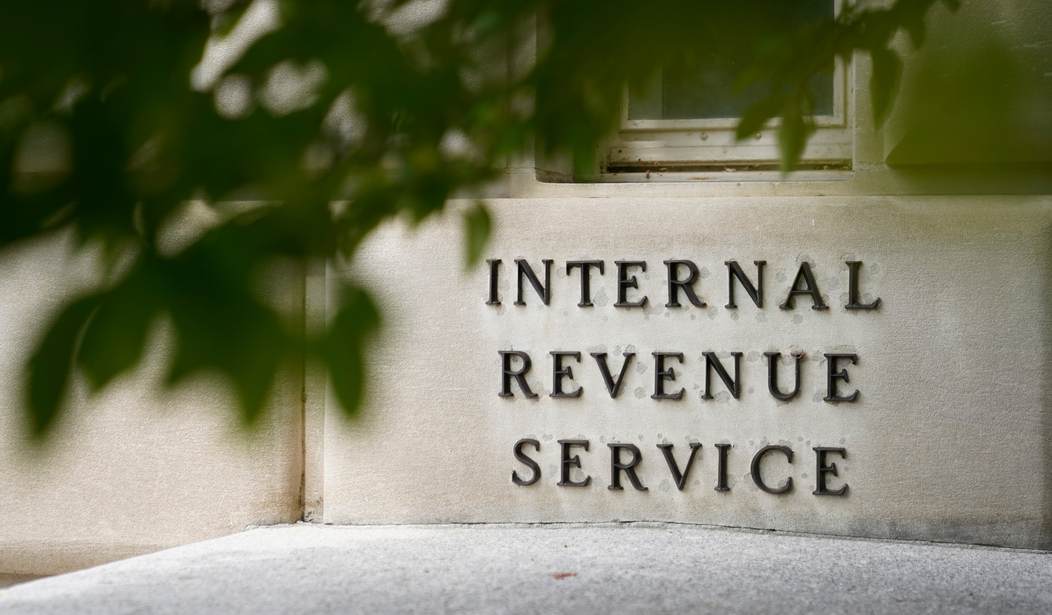
We all know taxation is theft. Yet President Donald Trump is doing something about it by taking steps to dismiss his $10 billion lawsuit against the Internal Revenue Service over the unauthorized leak of his tax returns and those of his family and business. The case stemmed from a former IRS contractor who improperly accessed and shared confidential information with news organizations several years ago. While the dismissal might seem like a quiet end to a high-profile dispute, it underscores a deeper issue: the federal government’s responsibility to safeguard Americans’ private financial data.
The leaks in question involved sensitive tax records from Trump’s first term, released publicly in ways that fueled political attacks and endless media coverage. A contractor, Charles Littlejohn, was later convicted and sentenced to prison for the breach, which affected not just Trump but thousands of other high-profile individuals.
Trump’s suit argued that the IRS and Treasury Department failed in their basic duty to protect this information, leading to real harm — reputational, financial, and personal. In straightforward terms, when the government holds your tax data, it has one job: keep it secure. If it doesn’t, citizens should have recourse.
🚨Justice Department Announces Anti-Weaponization Fund: Part of settlement agreement in President Donald J. Trump v. Internal Revenue Service
— U.S. Department of Justice (@TheJusticeDept) May 18, 2026
Per the settlement, plaintiffs will receive a formal apology but no monetary payment or damages of any kind.
There are no partisan…
Justice Department Announces Anti-Weaponization Fund: Part of settlement agreement in President Donald J. Trump v. Internal Revenue Service
Per the settlement, plaintiffs will receive a formal apology but no monetary payment or damages of any kind.
There are no partisan requirements to file a claim. Any money left when the Fund ceases operations will revert to the Federal Government.
There is legal precedent for such a Fund, most notably the “Keepseagle” case where the Obama Administration created a $760 million fund to redress various claims alleging racism against the federal government over a period of decades.
In layman’s terms, this lawsuit was about accountability. Tax returns contain deeply personal details about income, investments, deductions, and business dealings. Most Americans expect the IRS to treat that information like a vault, not something that can slip out to reporters because of lax oversight of contractors.
The filing sought damages under laws designed to enforce confidentiality, sending a signal that breaches carry consequences. Dropping it now, reportedly as part of broader resolutions, does not erase the original failure. It reflects a pragmatic choice in office, focusing forward rather than litigating endlessly while the underlying problem remains.
President Trump is DROPPING his $10 BILLION lawsuit against the IRS in exchange for a $1.776 BILLION COMPENSATION FUND for Americans wrongly targeted and prosecuted by the Biden admin!
— Hunter Eagleman™ (@Hunter_Eagleman) May 18, 2026
President Trump did this for the Americans who were wronged!
The lawsuit was filed after a…
President Trump is DROPPING his $10 BILLION lawsuit against the IRS in exchange for a $1.776 BILLION COMPENSATION FUND for Americans wrongly targeted and prosecuted by the Biden admin!
President Trump did this for the Americans who were wronged!
The lawsuit was filed after a government contractor admitted to stealing Trump’s and other wealthy Americans’ tax info then leaking it to the media in 2019-2020.
God Bless the GOAT!
ALSO SEE: Trump Drops $10B IRS Lawsuit As Democrats Freak Out Over $1.7B Settlement Fund
This episode matters beyond one individual. Everyday taxpayers file returns trusting that their information stays private. When high-profile leaks happen with apparent ease, it erodes that trust and raises questions about whether similar vulnerabilities could expose doctors’ records, small business ledgers, or family finances. Experts have long warned about an IRS that can feel weaponized or careless.
Strengthening internal controls, vetting contractors rigorously, and enforcing real penalties for violations are practical steps to prevent recurrence. Privacy protections exist for a reason; they should apply evenly, without regard to politics.
I hope President Trump get millions from the settlement with the IRS lawsuit, what you crazy democrats did with his tax returns was so wrong.
— Patricia Burbach (@PatriciaBu37603) May 14, 2026
Trump’s original action drew attention to these gaps. By pursuing the case aggressively at first, it highlighted how breaches can be turned into political tools. The resolution path suggests the administration is addressing government overreach and past politicization through other means, such as potential reforms or compensation mechanisms for those affected by prior investigations.
That approach prioritizes results over prolonged courtroom drama. At bottom, this is a reminder that government agencies wielding enormous power over citizens’ finances must operate with competence and integrity.
Americans of all stripes benefit when tax authorities focus on fair enforcement rather than leaks or selective scrutiny. Moving past this lawsuit is one thing; ensuring the IRS earns back public confidence through better safeguards is another. Taxpayer privacy is not a luxury; it is a cornerstone of limited government and individual liberty. Getting it right serves everyone who pays into the system. Though if we didn't have an IRS, this whole thing would be a moot point.
Editor’s Note: Every single day, here at RedState, we will stand up and FIGHT, FIGHT, FIGHT against the radical Left and deliver the conservative reporting our readers deserve.
Help us continue to tell the truth about the Trump administration and its successes. Join RedState VIP and use promo code FIGHT to receive 60% off your membership.

Join the Conversation
VIP members get the ability to comment on articles.