






Everybody knows someone who has had cancer. A parent, a sibling, a buddy from your job, the guy two pews over at church. You watch them go through chemo and surgeries and scans, and you think: There has to be a better way to fight this thing.
There might be.
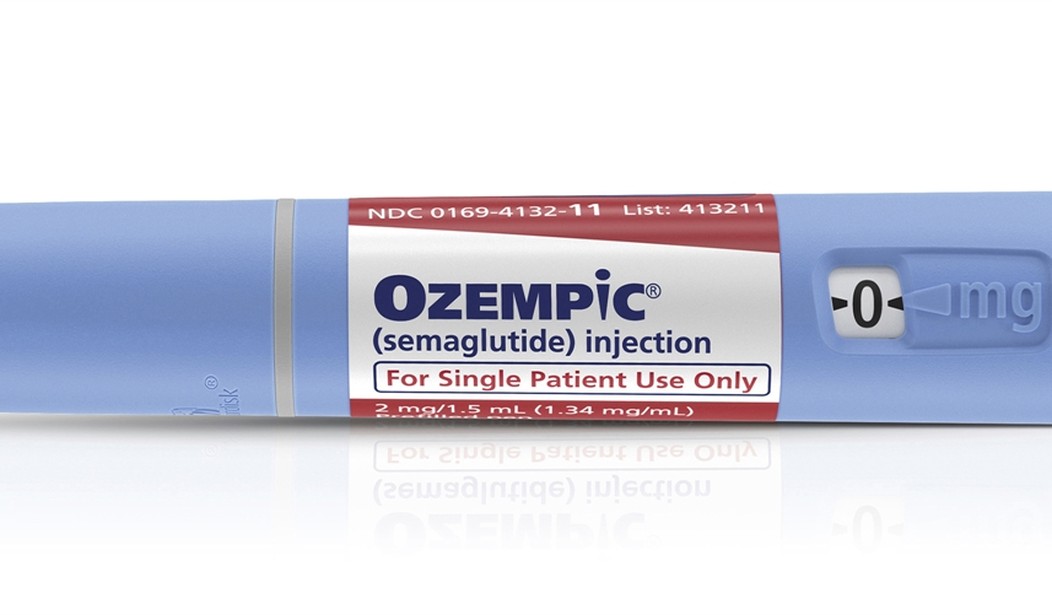
More than 40 studies presented last week at the American Society of Clinical Oncology's (ASCO’s) annual meeting in Chicago found that GLP-1 drugs, the class that includes Ozempic and Mounjaro, may slow or stop cancer from spreading.
The Cleveland Clinic tracked 12,112 patients who already had stage I, II, or III cancer and had started taking either a GLP-1 drug or a different class of diabetes medication after their diagnosis. Patients with lung, breast, colorectal, or liver cancer who took GLP-1s were 38 to 50 percent less likely to see their cancer advance to stage IV.
Among lung cancer patients, 10 percent of the GLP-1 group progressed to stage IV. In the comparison group, 22 percent. Breast cancer: 10 percent versus 20 percent. Colorectal: 13 versus 22. Liver: 19 versus 28.
Read More: New Cancer Drug Opens Floodgates of Hope Beyond Pancreatic Cancer
Those are real people who did not get the worst phone call of their lives.
A separate University of Pennsylvania study pulled records from roughly 110,000 women between ages 45 and 80 and found that those taking GLP-1 medications were about 30 percent less likely to develop breast cancer in the first place. A third study, involving 27,000 breast cancer patients, found that adding a GLP-1 drug to standard treatment cut the risk of dying from the disease by 30 percent.
Dr. Elizabeth McDonald, a radiologist at the University of Pennsylvania who led the breast cancer study, said the findings point to a need for deeper investigation:
"While our study was observational and does not definitively confirm an association between GLP-1 medications and reduced breast cancer incidence, it does add to the growing body of evidence suggesting that it's worth investigating these weight-loss drugs as potential cancer prevention tools."
Weight loss alone does not appear to fully explain the results. GLP-1 drugs also reduce inflammation throughout the body, affect how cells process insulin, and appear to disrupt the biological pathways cancer depends on to grow and spread.
Some studies even suggested GLP-1s sharpen the immune system's ability to recognize and attack tumors, with patients on immunotherapy doing better when they were also on a GLP-1.
Dr. Marcin Chwistek, chief of supportive oncology at Fox Chase Cancer Center, said the scale of the data changes the conversation:
"GLP-1 receptor agonists have never been just glucose-lowering drugs. Their anti-inflammatory and immune-modulatory properties have long suggested broader effects. What's new here is the consistency across tumor types, and data this large and this consistent warrant a prospective randomized trial."
None of this is proven yet. Every study presented in Chicago was observational. Researchers looked at what happened to patients, not a controlled experiment. This is important because the history of cancer research includes a long list of promising findings that fell apart when tested properly. ASCO's chief medical officer, Dr. Julie Gralow, was direct: The evidence shows correlation, not causation, and clinical trials are necessary before anyone can call this settled.
Dr. Mark David Orland, the Cleveland Clinic researcher who led the progression study, was measured but clear:
"Our study found that use of GLP-1 drugs, compared to DPP-4 inhibitors and other antidiabetic drugs, was associated with a meaningful reduction in cancer progression across 4 solid tumor types. It provides early evidence that future studies are worth pursuing."
Researchers from the Cleveland Clinic, the University of Pennsylvania, MD Anderson Cancer Center, Thomas Jefferson University, and other institutions presented findings showing potential benefits across breast, colorectal, liver, lung, pancreatic, and blood cancers.
Several randomized trials are already being planned.
Cancer has been winning for a long time. Tens of millions of Americans are already taking these drugs. If they turn out to be a weapon against it, too, a lot of people sitting in chemo chairs right now deserve to know that as soon as possible.
Run the trials.
Editor's Note: Do you enjoy RedState's conservative reporting that takes on the radical Left and woke media? Support our work so that we can continue to bring you the truth.
Join RedState VIP and use promo code FIGHT to receive 60% off your membership.



Join the Conversation
VIP members get the ability to comment on articles.