
Canada threw the United States out of Friday's opening ceremony for the Gordie Howe International Bridge. President Trump posted about winning the negotiation while they were still at the podium.
He brushed off the snub and declared that his administration had already forced Canada to rewrite the financial terms governing the multibillion-dollar bridge.
The ceremony was originally supposed to include officials from both countries, with the ribbon-cutting held near the international boundary between Detroit and Windsor, Ontario. Canada withdrew the American invitations and moved the event to its border inspection plaza after Trump announced 50 percent tariffs on a range of Canadian exports. The tariffs are expected to take effect in 30 days, leaving additional time for negotiations.
The office of Canadian Infrastructure Minister Gregor Robertson explained the decision in a statement:
"In light of trade action threatened by the United States earlier this week, it would be inappropriate to proceed with a celebratory event between the two countries. The Gordie Howe International Bridge remains a vital infrastructure project that reflects years of hard work and will be a major economic driver."
Half the toll revenue says otherwise.
Canadian officials went forward Friday with speeches and a ribbon-cutting attended only by Canadian representatives. The bridge itself is not expected to begin carrying cars and trucks until Monday.
Trump made sure the American side of the story was heard.
— Rapid Response 47 (@RapidResponse47) July 24, 2026
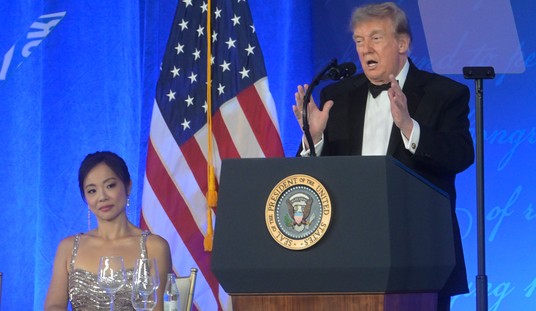
“Canada disinvited the United States of America to the opening of the Gordie Howe Bridge, which is fine, considering they are paying substantial TARIFFS to the United States, but the original Deal on the Bridge, which was terribly negotiated by a previous Administration, no longer stands. We changed the terms of the Deal so that the United States of America now gets 50% of the Profit. Thank you for your attention to this matter! President DONALD J. TRUMP”
The bridge was negotiated in 2012, and financed by Canada at a cost of approximately 6.4 billion Canadian dollars, or about $4.5 billion. Under the original arrangement, Canada planned to use toll revenue to cover operating expenses and repay the construction costs, a process that was always going to take at least 50 years. Canada and Michigan would divide the profits after those costs were recovered.
Trump threatened in February to prevent the bridge from opening unless the United States received a better deal. A ribbon-cutting event scheduled for June 12 was then abruptly postponed while the two countries worked through what officials called “outstanding issues.”
Read More: 'Discriminatory Treatment of American Products' Prompts Trump's Latest Tariff Move Against Canada
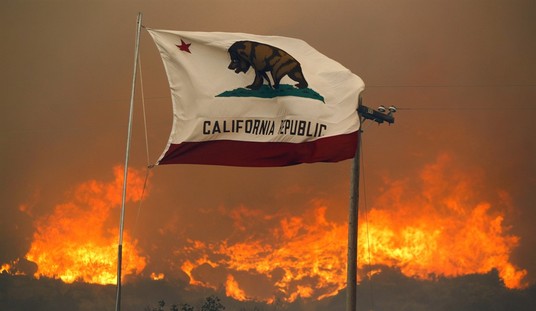
New: Trump Confronts Canada on Deadly Wildfire Smoke: 'Incalculable Cost'
The proposed agreement reached in July directs 50 percent of net toll revenue during the bridge's first 15 years to Canada. The remaining half will go into an economic development fund controlled solely by the United States. Canada split the money it was counting on keeping.
Robertson disputed Trump's declaration that the original 2012 agreement "no longer stands." He insisted Canada will still be repaid for financing the project. Canadian Prime Minister Mark Carney estimated the American-controlled fund could receive around 320 million Canadian dollars over 15 years, which is roughly 5 percent of what Canada spent building it.
Canada got its American-free ceremony Friday, but Trump got America paid.
Editor’s Note: Thanks to President Trump and his administration’s bold leadership, we are respected on the world stage, and our enemies are being put on notice.
Help us continue to report on the administration’s peace through strength foreign policy and its successes. Join RedState VIP and use promo code FIGHT to receive 60% off your membership.











Join the conversation as a VIP Member