






The House put every member on record Wednesday with a simple question: Should members of Congress and their immediate families face new restrictions on buying and selling individual stocks?
For Democrats, the answer was no. The Stop Insider Trading Act passed 231-198, and every single vote against it came from a Democrat.
The final tally quickly made the rounds online:
Breaking: The House just passed a Congressional Stock Trading Ban
— Nancy Pelosi Stock Tracker ♟ (@pelositracker) July 22, 2026
• 217 Republicans voted in support
• 198 Democrats voted against
The bill now goes to the Senate pic.twitter.com/T9a6VIgG9M
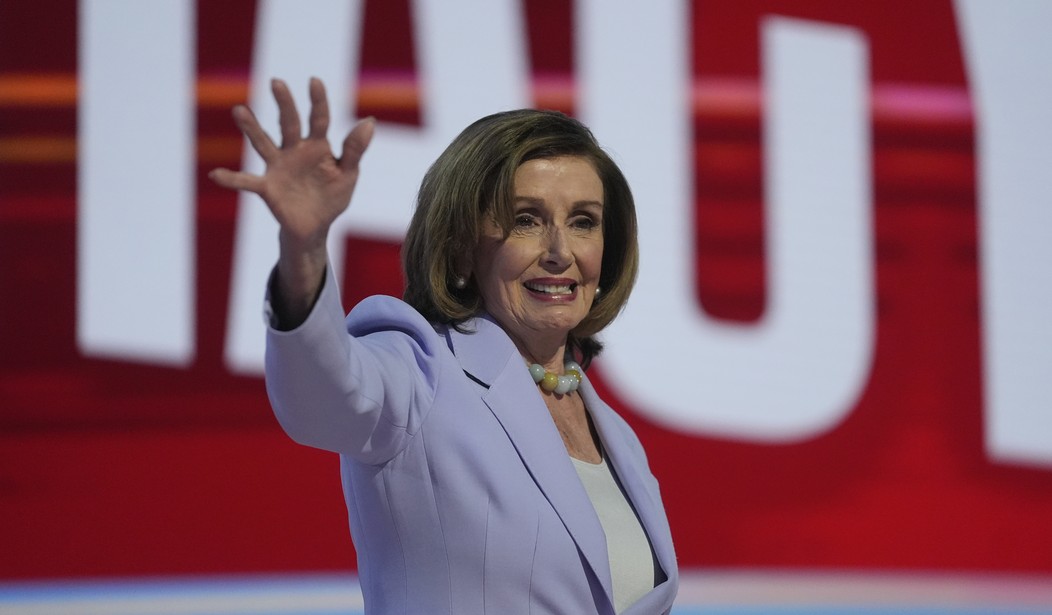
House Democrats overwhelmingly rejected legislation that would prohibit members, their spouses, and dependent children from purchasing individual stocks after the restrictions take effect, including members like former Democrat House Speaker Nancy Pelosi (CA-11), whose prolific trading record helped make this issue a national flashpoint in the first place.
The bill would allow lawmakers to keep investments they already own. Selling those shares, however, would require a public notice between seven and 14 days before the transaction. That notice would have to include the projected sale date, a description of the transaction, and the number of shares being sold. It would then be published on a website operated by the House clerk or Senate secretary.
Violators would face a penalty of at least $2,000 or 10 percent of the transaction, whichever is greater, along with the net gain from an unlawful purchase. A stock bought in violation of the ban would also have to be sold.
Republican Rep. Bryan Steil (WI-01), who sponsored the legislation, put the issue in plain language during the House debate:
“I believe this is our opportunity where we can simply stop members of Congress from trading individual stocks. Period. Full stop. Doing so removes even the appearance of wrongdoing. Americans should be confident that individuals working here are working on their behalf, not on behalf of their own financial interests.”
The bill contains exceptions for diversified funds, certain trusts, small business interests, and automatic dividend reinvestment. A spouse or dependent child could also make covered trades as part of a primary occupation under limited circumstances. The stock restrictions would take effect 180 days after enactment.
Democrats argued the measure was too weak because it does not force lawmakers to divest existing holdings and does not extend the ban to the president or vice president. They were also furious that Republicans added federal voter identification requirements to the bill.
Democrat Rep. Joseph Morelle (NY-25), the ranking Democrat on the House Administration Committee, called the voter ID language a “poison pill” and accused Republicans of corrupting the stock legislation with provisions drawn from the SAVE America Act.
Read More: Trump Goes Off Script to Slap 'Stock Queen' Nancy Pelosi With Insider Trading Jab
Army Special Ops Soldier Charged by DOJ for Using Classified Info on Maduro Op to Win Wager
The Congressional Black Caucus called the bill a "Trojan horse" for voter suppression and urged Democrats to vote no.
That complaint does not erase the vote. Democrats could argue the restrictions should have been tougher. They could object to the voter ID language. In the end, 198 of them still voted against banning new stock purchases and requiring lawmakers to disclose planned sales before they happen.
The current STOCK Act requires lawmakers to report many trades after the fact, generally within 45 days. The House bill would give the public advance warning before a sale, providing voters and watchdogs a chance to see what lawmakers were preparing to unload before the transaction was completed.
A stricter Senate proposal from Sen. Josh Hawley (R-MO) would require members of Congress, the president, the vice president, and their immediate families to divest individual stocks. That bill cleared a Senate committee in July 2025 but has not received a floor vote; Senate Republican leadership has shown little interest in scheduling one. Even Hawley stopped short of opposing the House measure:
"It's not nearly as robust as I would like — but something is better than nothing."
The House measure may meet the same fate in the Senate, particularly with the voter ID language attached. Still, the House roll call is now public. When lawmakers were offered a concrete increase in financial transparency, nearly the entire Democrat caucus chose to protect the status quo.
Editor’s Note: Help us continue to report the truth about corrupt politicians.
Join RedState VIP and use promo code FIGHT to receive 60% off your membership.



Join the Conversation
VIP members get the ability to comment on articles.