






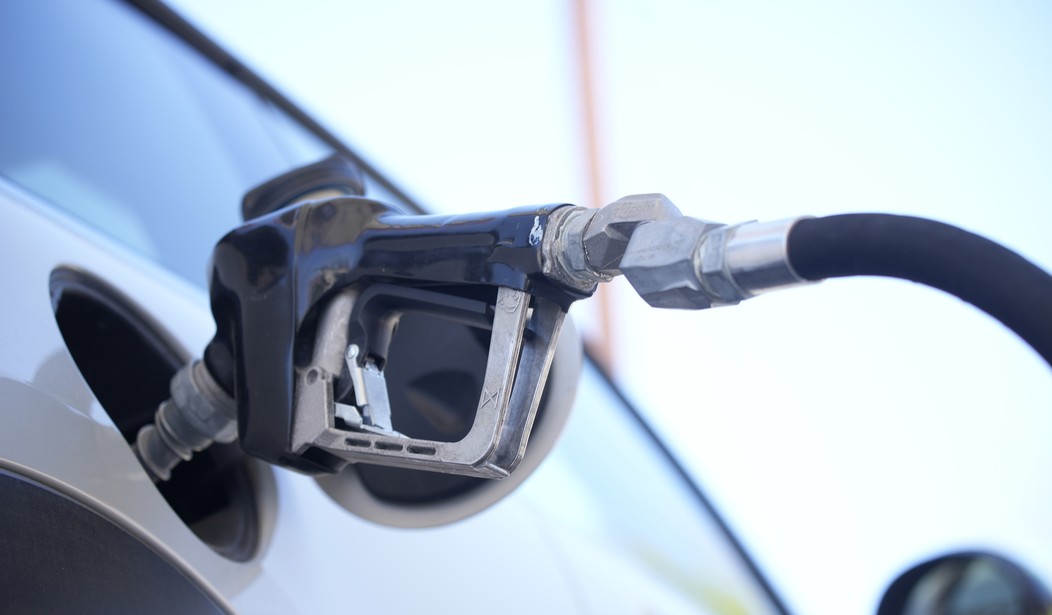
Our modern economy runs on oil, and that's a fact. Not only is energy at the heart of everything we do, but petroleum provides an enormous range of raw materials that we use in, well, almost everything, from smartphones to jet airliners. So, when world events cause some uncertainty in oil markets, the global economy takes a big hit as crude prices shoot skyward.
Fortunately, the reverse applies as well. With the new (very new) agreement between the United States and Iran, in which Iran has agreed to stop threatening shipping in the Strait of Hormuz, on Friday morning, global crude oil prices dropped off a cliff. As of this writing, Brent crude is down 12 percent, and WTI crude is down 13 percent.
On that agreement, Oilprice.com's Michael Kern writes:
A Pakistan-flagged Aframax tanker, the Shalamar, became the first vessel to clear the Hormuz with crude since the blockade began Monday, according to ship-tracking data compiled by Bloomberg.
The tanker loaded around 450,000 barrels at Das Island in the UAE, not an Iranian port, and is now in the Gulf of Oman en route to Karachi. It had abandoned an earlier attempt to transit inbound on April 12 when news broke that the Islamabad talks had collapsed. The Shalamar aside, maritime intelligence firm Windward reported 823 vessels present across the Gulf as of Tuesday with no corresponding release into normal transit patterns.
Britain and France are holding a virtual summit Friday on restoring freedom of navigation through the waterway, with mine clearance a particular concern. US Central Command has already begun mine-clearing operations inside the strait, though Iran at one point accused the US of a ceasefire violation for doing so.
Here is a snapshot taken midday Friday of the 1-day price marker for WTI crude:
Wow. pic.twitter.com/crllstrqzU
— Ward Clark (@TheGreatLander) April 17, 2026
Stock markets have also reacted positively to the deal.
U.S. stocks rocketed higher on Friday after Iran declared the Strait of Hormuz “completely open” on the heels of a ceasefire announcement between Israel and Lebanon.
The Dow Jones Industrial Average rose by 1,005 points, or 2.1%. The S&P 500 traded up 1.3%, crossing 7,100 for the first time, while the Nasdaq Composite gained 1.5%, with both hitting new all-time intraday highs. The Russell 2000 also reached a fresh high. The small-cap index was last up 2%.
So, what does all this mean?
Read More: Trump Cheers Strait of Hormuz Reopening During Israel-Lebanon Ceasefire — but There’s a Big Catch
Oil Prices Surge Then Plunge Amid Optimism Over U.S.-Israel War With Iran Nearing End
Cheaper oil is generally good for the global economy. But it's probably too early to see a dramatic drop in the most visible part of this market: Gasoline and diesel prices. Motor fuel prices always lag behind crude future market trends when the price is headed down, although they sure seem to shoot up quickly when there's a price shock. Gasoline prices are still higher than before the start of Operation Epic Fury, although we should point out that even after the operation started, gasoline prices never reached the Biden-era high. And, of course, the price of gasoline and diesel affects the price of everything else.
It's a bit early to get too happy about all this, but right now, the trends are all moving in the right direction.
Editor’s Note: Do you enjoy RedState’s conservative reporting that takes on the radical left and woke media? Support our work so that we can continue to bring you the truth.
Join RedState VIP and use the promo code FIGHT to get 60% off your VIP membership!


Join the Conversation
VIP members get the ability to comment on articles.