
Why is beef so expensive?
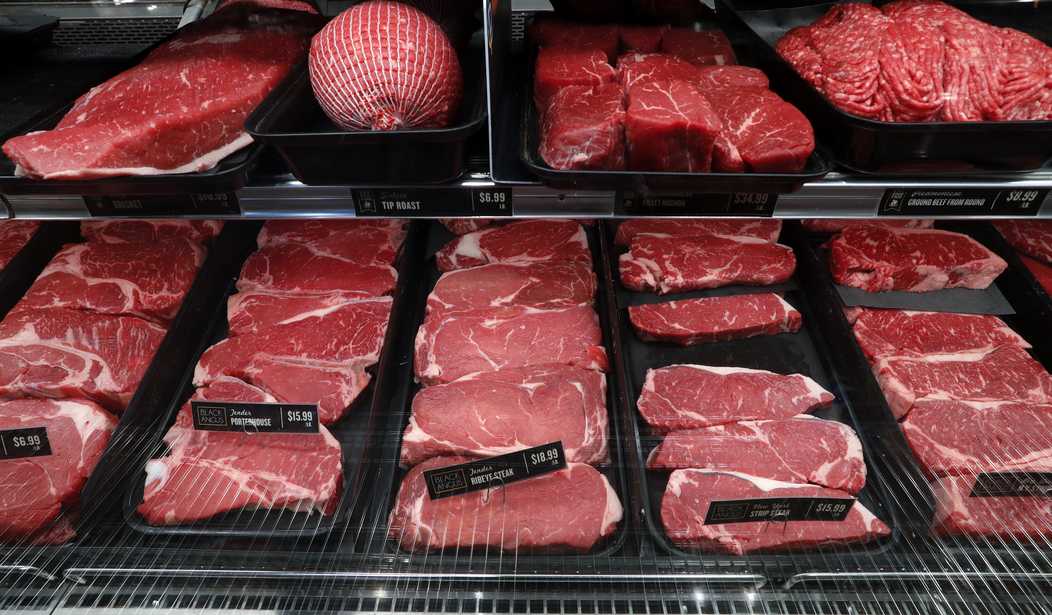
I went to the store on Sunday, and I saw a ribeye steak for $30, and it was probably barely big enough for one big guy. Meanwhile, the cheapest pound of ground beef at Walmart I could find was $6.44.
The answer to the question is the 1984 ad from Wendy's: Where's the beef?
The problem is the smallest cattle herd in 75 years. Any time a supply is small, it drives up the price. It's also affecting everyone right down the chain of production.
Tyson Foods announced last week that it will close beef facilities in Illinois and Utah and pursue the sale of another in Washington as it reshapes its beef business amid what the company called one of the most historic cattle shortages the country has ever experienced. Tyson said recent USDA data suggest supply constraints are likely to persist
USDA data shows the U.S. entered 2026 with about 86.2 million cattle and calves, the smallest herd since the early 1950s. That’s down from roughly 94.7 million cattle and calves in 2019, a decline of more than 8 million animals.
One of the big issues behind the problem has been drought affecting beef-producing states. Then there have also been wildfires. All of that has affected grazing areas. That's forcing ranchers to sell stock early to cover costs, which then doesn't allow them to replenish the herds.
This has been developing for years, and the costs are problematic for everyone involved. Moreover, rebuilding the herd is not a simple process and could take years. So the answer to resolving the problem is not a simple one.
President Donald Trump had already been trying to lower the prices with some imports, and, as we reported earlier, he just made another announcement about making a deal to lower the prices of ground beef.
TRUMP JUST CUT A DEAL ON GROUND BEEF.
— Gunther Eagleman™ (@GuntherEagleman) August 21, 2026
For the next 90 days, the U.S. will allow up to 300,000 metric tons of ground beef in with no out-of-quota tariff.
That beef will be sold at 25% below current market prices.
This does two things at once:
- Lowers the price at the grocery… pic.twitter.com/lR93t6657i
Today, I concluded a deal to substantially lower the price of ground beef for working American families. As everyone knows, under President Biden, beef prices soared at their fastest rate and the American beef herd fell to its smallest size in modern history. As we work to rebuild this herd and help our ranchers, for the next 90 days, the United States will allow up to 300,000 metric tons of product for ground beef to be imported with no out of quota tariff. We have a commitment that this beef will be sold at 25 percent below current market prices. This deal will reduce prices for Americans while giving space for our Great American Beef Herd to grow again.
That would help cut the price for the American consumer. That helps deal with the supply gap. But you also want to be careful when it comes to imports because you don't want to adversely affect our own ranchers and hurt the problem you're trying to resolve, which is why Trump is doing it in a limited fashion.
READ MORE: Trump Takes Aim at Soaring Beef Prices With New 90-Day Deal
The left is off to the races trying to blame prices on tariffs. They don't actually want to deal with the real cause when they can try to attack Trump, who is trying to resolve the issues.
Now there are signs the efforts to replenish the herds may be working, as Secretary of Agriculture Brooke Rollins explains.
Americans are eating more beef than ever—and that’s GREAT news!
— Secretary Brooke Rollins (@SecRollins) August 20, 2026
For too long, the Biden Administration waged a war on cattle and American agriculture, undermining the farmers and ranchers who feed our country.@POTUS is putting our ranchers FIRST and rebuilding America’s cattle… pic.twitter.com/4zfEF1NQNY
"For the first time since 2018, cattle numbers are moving UP—and ranchers are retaining heifers at higher rates," Rollins said.
It's still a low retention number, so it's still a question. But at least that's moving in the right direction. That's what's needed to break out of the shortage cycle, and that's what will ultimately help the ranchers and bring down the prices.