






By Samantha Fillmore
The scenic town of Tahoe City, California, with a population of roughly 55,000, will be entering the market to find a new supplier for their energy needs as its current supplier turns their sights towards renewables in Nevada.
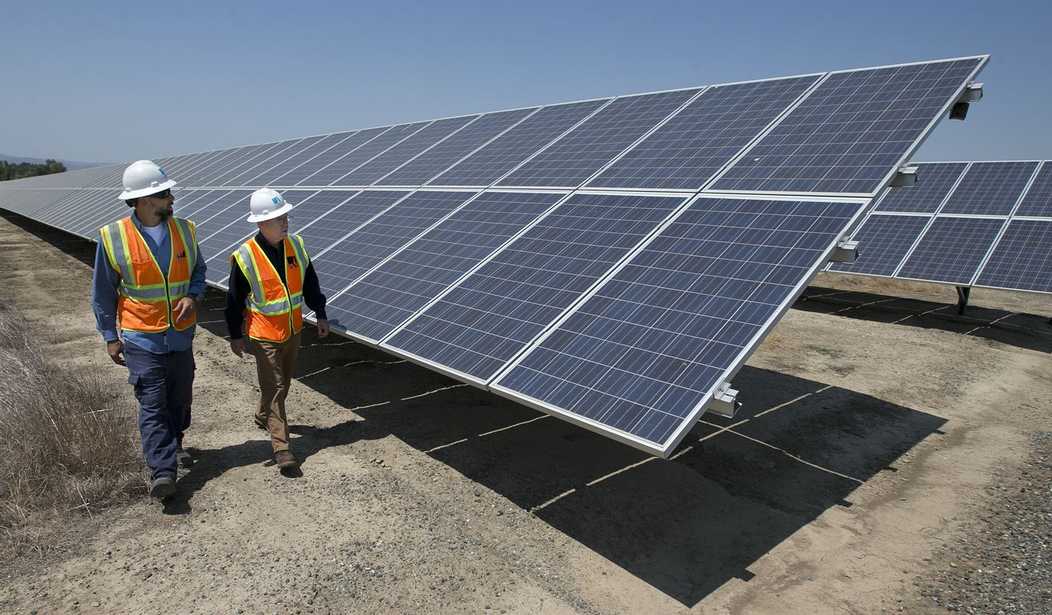
Tahoe City and the surrounding Lake Tahoe Basin currently purchase their energy through Liberty Utilities. Like many utility companies, Liberty Utilities uses an energy mix to provide power to its customers. According to Liberty Utilities sources, they currently use a mix of their own Liberty-owned solar systems with a partnership with NV Energy. NV Energy has been filling in the inevitable gaps in their solar power generation, stepping in as their wholesale energy provider to meet the needs of ratepayers. As we all know, the sun eventually sets, but that doesn’t mean that power generation can set, too.
NV Energy will be partnering with Liberty Utilities in mid- to late- 2027 to turn its bandwidth (pun intended) toward the NV Energy Greenlink Project. The Greenlink Project is marketed as a large-scale transmission and substation initiative designed to expand Nevada’s energy grid and transport renewable energy across Nevada.
However, there may be more at play. As first reported by the Las Vegas Review-Journal, NV Energy’s Director of Business Development said in September that data centers have driven requests to NV Energy’s peak capacity. It is reasonable to assume that this could be a large motivating factor for why the company is turning away from ratepayers and building new infrastructure for lucrative deals with data centers.
What does all this mean for the people of Tahoe City?
NV Energy will continue to provide transmission for Liberty Utilities, meaning that they will still use their infrastructure to receive the supplemental power they need if only relying on solar generation.
In the interim, Liberty Utilities is seeking approval from the California Public Utilities Commission (CPUC) to search for new partners. They will engage in a formal bidding process, allowing energy suppliers to compete for their business.
As Liberty Utilities and Tahoe City face this period of transition in the years ahead, there are two valuable lessons American ratepayers can take from this. After all, California is often an incubator for policies that eventually make their way into America’s heartland.
First, data centers have and will continue to require ever-larger amounts of energy, posing an ever-growing demand on our already aging energy grids. While the innovation, economic growth, and job opportunities that come along with data centers are laudable goals for any state or community, there can and must be mechanisms put in place that hold data centers accountable for their energy consumption without imposing increased costs or energy scarcity upon ratepayers in the region. According to their press release, Liberty Utilities will do its best to keep rates similar for its ratepayers, while also noting that no utility can predict the exact future cost of energy.
The second lesson lies in the California Public Utilities Commission (CPUC). The CPUC has the authority to regulate privately owned utilities in California, oversee rates and services for utilities, and manage energy source siting and the authorizing of any new energy source projects in the Golden State.
What this means is that the CPUC has the authority to prioritize affordable, reliable, and clean energy for all future energy projects in California. Prioritizing all three of these components as interdependent pillars for the future of energy projects would result in greater energy abundance and ease the issue of energy affordability in a state that desperately needs it.
California has been one of the pioneers, if not the pioneer, for green and renewable energy in our nation, and yet they also consistently have some of the highest energy prices in the country, on average, roughly double the national average. Is this a coincidence?
Absolutely not. Renewable energy sources are among the most expensive and unreliable sources of energy, not to mention they have myriad negative environmental impacts that are almost never discussed.
To ensure prosperity for a state, community, or town, and for their ratepayers, utility companies such as Liberty Utilities and state utility regulators should consider affordability, reliability, and full-spectrum cleanliness in order to move into an energy renaissance, which always results in economic and population prosperity.
There is a real chance for Tahoe City and Liberty Utilities to make a meaningful change as they appeal to the CPUC and chart a new path forward for the energy needs of local residents.
However, based on previous political and corporate decisions in California, it is highly unlikely that it would happen, but the opportunity persists. As all Americans barrel towards a society full of AI, data centers, and increased rates because of energy demand, the lessons of Tahoe City and its energy needs can remain ever-present to all of us.
Hopefully, the transition for Tahoe City will go smoothly and present very little upheaval for ratepayers. Only time will tell in the story of data center development and an increased push toward renewables.
Samantha Fillmore ([email protected]) is the senior state government relations manager at The Heartland Institute.
Editor’s Note: Do you enjoy RedState’s conservative reporting that takes on the radical left and woke media? Support our work so that we can continue to bring you the truth.
Please join RedState VIP and use the promo code FIGHT to get 60% off your VIP membership!



Join the Conversation
VIP members get the ability to comment on articles.