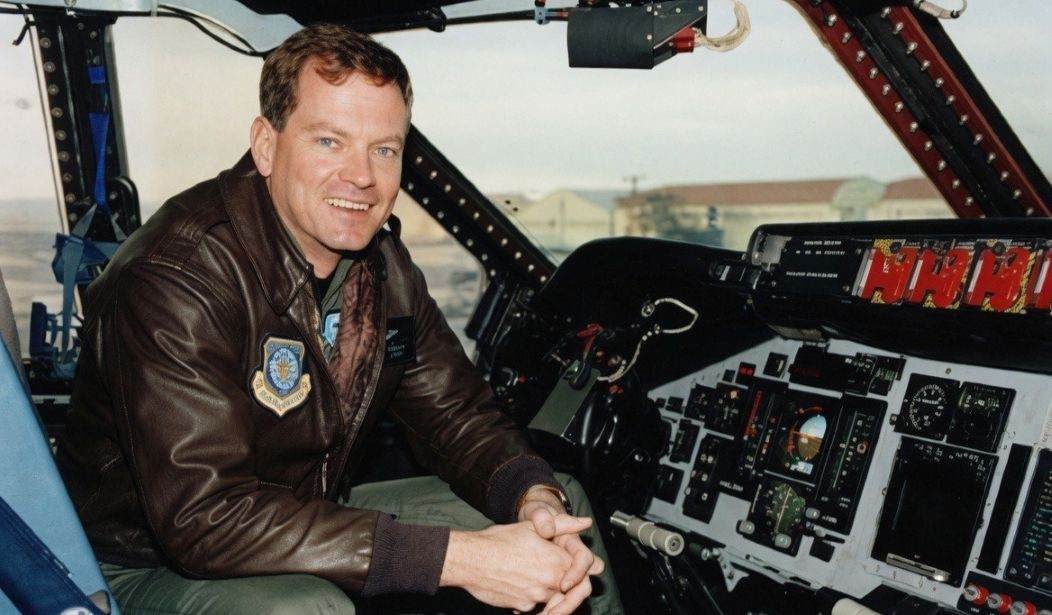

 Mid-1980s. The big C-141 Starlifter’s engines spool down as we taxi clear of the runway at RAF Mildenhall, Suffolk. Another long haul across the Atlantic is complete. It’s just past 0700 local, the English dawn still gray and damp. Post-flight checks done, the crew bus rattles us through narrow lanes lined with hedgerows until it pulls up in front of the Smoke House Inn. Even before the doors open, the place feels like a sigh of relief.
The inn sat tucked into the countryside like something out of a storybook: heavy thatched roof, dark oak beams, whitewashed walls, and the unmistakable scent of woodsmoke drifting on the breeze. But the real welcome waited inside—an enormous Inglenook fireplace in the lobby, flames dancing high enough to warm chilled bones and jet-lagged souls alike. That roaring fire became my personal beacon. After days of cockpit glow, recycled air, and the drone of turbofans, stepping into that lobby felt like being dropped into a medieval traveler’s tale. You half-expected a weary pilgrim to wander in asking for a warm meat pie and a tankard of ale.
Mornings at the Smoke House were pure sensory comfort. Push open the heavy wooden door and the aroma hit immediately: fresh coffee, sizzling sausages, eggs done every way, and the peculiarly British baked beans that somehow belonged on every plate. The breakfast room buzzed with aircrews from half a dozen nations—Americans in flight suits, Brits in their distinctive pullovers, the occasional NATO contingent swapping gripes about weather and fuel loads.
Everyone spoke the universal language of the road: fatigue mixed with gratitude for solid ground.
By evening, the mood shifted. The pub took center stage. The air carried the irresistible perfume of golden fish and chips, vinegar sharp in the nostrils, alongside grilled steaks the size of aircraft wheel chocks. This was where I learned proper respect for British beer—not the weak lagers I’d known stateside, but real ales with depth, served at cellar temperature by barmaids who knew exactly when to pour the next round and when to listen. We’d claim a corner table, loosen our ties or flight-suit zippers, and let the stories flow.
SEE ALSO: Buzz Cut: An American Boy in Denmark
There were the inevitable “there I was” tales—engines on fire over the Atlantic, night refuelings gone sideways, diplomatic clearances that arrived at the last possible second. Laughter bounced off the low beams. Old friendships rekindled in an instant. I can’t count how many times I walked into the pub and spotted a familiar face from my earlier assignments—pilots, loadmasters, navigators I’d flown with years before. The Smoke House turned random crew rests into spontaneous reunions. We’d raise glasses to absent friends, to the C-141 itself, to the strange life that kept depositing us on this quiet corner of England.
We all had these on our pubs kits, pic.twitter.com/utsAS1hbQY
— Buzz Patterson (@BuzzPatterson) May 31, 2026
After the pub closed, many of us migrated back to those massive leather couches flanking the great fireplace. Boots off, legs stretched toward the blaze, we’d talk more quietly now. The firelight played across faces etched by long hours and distant skies. For a few precious days, the world slowed. No alert horns, no mission planners, no urgent messages from higher headquarters. Just camaraderie, the crackle of logs, and that rare feeling of belonging to something larger than any single flight or crew.
The rooms upstairs were simple but perfect: low ceilings, thick walls that muffled the outside world, beds that welcomed exhausted bodies. You slept the deep, dreamless sleep of men who had earned it. In the morning, it all began again—the breakfast smells, the fire, the easy rhythm of aviators at rest.
The Smoke House wasn’t merely a hotel. It was home. A sanctuary where the peculiar brotherhood of military aircrews could exhale. In an era when the Cold War still cast its long shadow and global mobility meant weeks away from families, the inn provided continuity. Same fireplace. Same stories. Same sense that you were exactly where you were supposed to be.
Sadly, that chapter closed. After the seismic shifts following 9/11, military traffic patterns changed. Trade at the inn declined. Eventually, the Smoke House shut its doors for good. The site, like so many historic British properties, was redeveloped into housing. The thatched roof and oak beams are gone, replaced by modern homes. Yet the memories refuse to fade.
Today, when I smell woodsmoke or taste a proper pint, I’m instantly transported back to those foggy Suffolk mornings. The Smoke House taught me that the best stops on earth aren’t always famous landmarks. Sometimes they’re modest inns with roaring fires and open arms for tired travelers in flight suits.
The fire’s still burning in memory, and there’s always room on the couch.