






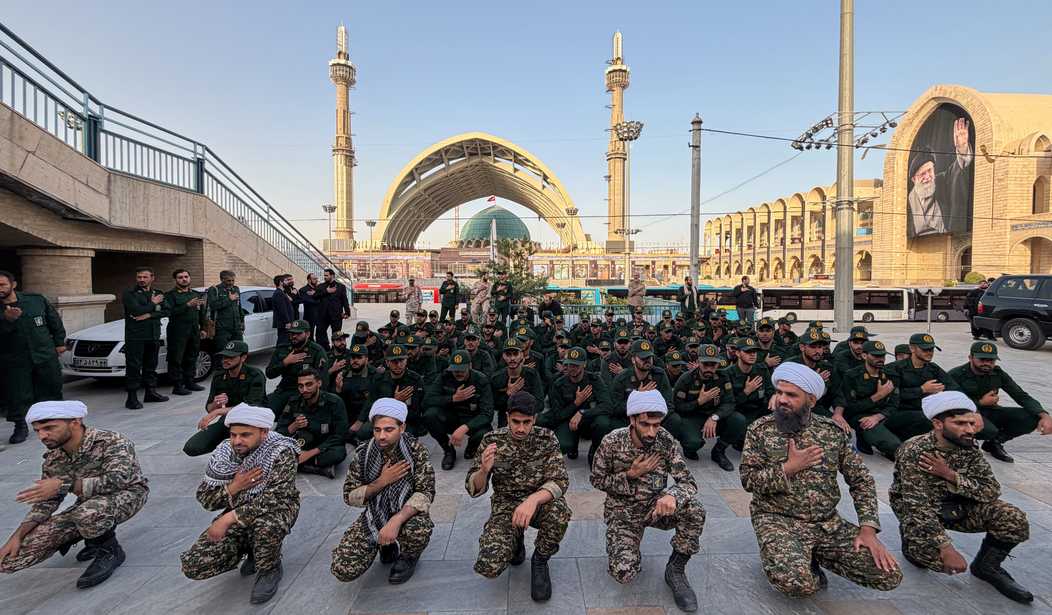
The 60-day window established by the June memorandum of understanding between the United States and Iran has closed without a final agreement. What began as an effort to halt hostilities, reopen the vital Strait of Hormuz, and address Tehran’s nuclear breakout capacity has produced little beyond predictable stalling tactics and mutual accusations.
Predictably, Tehran played Washington for time — leaving the interim arrangement effectively dead on arrival. This outcome should surprise no one who has watched the Islamic Republic operate for decades.
The US-Iran truce — agreed 60 days ago ostensibly to give room for the belligerents to agree a more durable peace — expires today, with little progress on the horizon for reopening the Strait of Hormuz. https://t.co/6rMnLTq3th
— Semafor (@semafor) August 17, 2026
The memorandum called for an immediate cessation of military operations and negotiations toward a lasting settlement on Iran's nuclear program and related regional threats. Those negotiations never gained real traction. Iran immediately advanced bad-faith demands, including a total lifting of the U.S. naval blockade, full American military withdrawal from the Middle East, and financial reparations. Washington rightly insisted on meaningful, verifiable limits on enrichment. Neither side bridged the gap. Today, the Strait of Hormuz remains a dangerous point of friction, and the nuclear threat that justified earlier American military strikes stays unresolved.
READ MORE: Iran Threatens Offensive Action in Strait of Hormuz As Interim Deal Expires
New: Trump Confirms IRGC Backchannel, Demands Iran’s White Flag
This routine is standard procedure for the regime. Iran signs documents when pressure mounts, then tests boundaries while its proxy network carries out terror operations across the region.
(IRAN CRISIS: US-ISRAEL STRIKES IRAN)
— Defensive Century (@Def_Century) August 17, 2026
BREAKING:
UPDATE (6)
🇵🇰🇮🇱🇺🇸🇮🇷
US President Trump says the US is not seeking an extension of the US-Iran MOU, which has already expired. https://t.co/YeWdVQDcH2 pic.twitter.com/uDXQ3ioJcE
Consider the Houthis in Yemen. The informal calm with Saudi Arabia has officially shattered. In recent weeks, the Iran-backed group has unleashed a fresh wave of missiles and drones targeting Saudi energy infrastructure, regional shipping lanes, and military installations. Saudi air defenses have intercepted many of the strikes, but these attacks mark an unequivocal end to regional de-escalation. Rather than acting as a responsible party, the Houthis have claimed responsibility for strikes on Saudi naval targets, framing their aggression as a response to Saudi moves while coordinating directly with Tehran.
These actions reveal Tehran’s true strategy. A government serious about peace would rein in its proxy networks. Instead, Tehran greenlights Houthi aggression even as formal talks with Washington falter. Saudi Arabia — a cornerstone of regional stability and global energy security — faces renewed hostility along its borders. Disrupted shipping and energy bottlenecks in the Gulf threaten supply chains and fuel costs far outside the Middle East.
A dangerous new phase begins
— Vanessa Lopes (@VanessaLopes1_) August 17, 2026
The US #Iran ceasefire has officially ended with no renewal planned
A senior IRGC commander says Iran's forces remain defensive for now but could shift to offensive posture "when the time is right." The USS Washington is already en route to the region pic.twitter.com/KhAdjo4Bnu
President Trump entered the June arrangement seeking to convert military dominance into long-term diplomatic leverage to permanently neutralize Iran’s nuclear ambitions. The deadline’s quiet expiration exposes the limits of diplomatic outreach when dealing with a rogue state. Iran appears emboldened rather than constrained, calculating that proxy pressure can extract concessions or simply outlast American focus.
History proves that verbal assurances from Iranian supreme leadership are worthless. Verification, nuclear stockpile destruction, and non-negotiable enrichment caps require strict, enforceable mechanisms — not flexible deadlines or hopeful diplomacy.
A durable Middle East strategy relies on consistent, overwhelming pressure rather than repeated cycles of diplomatic pauses and regime violations. Diplomacy is only effective when backed by undeniable consequences for noncompliance. Allowing Tehran to pocket temporary breathing room while its terror proxies attack strategic allies invites further testing of American resolve.
The expired deadline is largely symbolic. What is not symbolic is the continued aggression of armed groups taking direct orders from Tehran. To restore deterrence, Washington must abandon soft diplomacy and restore maximum-pressure economic sanctions, enforce zero-tolerance naval patrols in the Strait of Hormuz, and establish unambiguous military red lines against Iranian enrichment.
Until Iran’s regime faces real consequences on both the nuclear and proxy fronts, any new framework will suffer the same fate. Regional security and American interests depend on steady firmness, not another round of unenforced promises.
Editor's Note: For decades, former presidents have been all talk and no action. Now, Donald Trump is eliminating the threat from Iran once and for all.
Help us report the truth about the Trump administration's decisive actions to keep Americans safe and bring peace to the world. Join RedState VIP and use promo code FIGHT to get 60% off your VIP membership.

Join the Conversation
VIP members get the ability to comment on articles.