






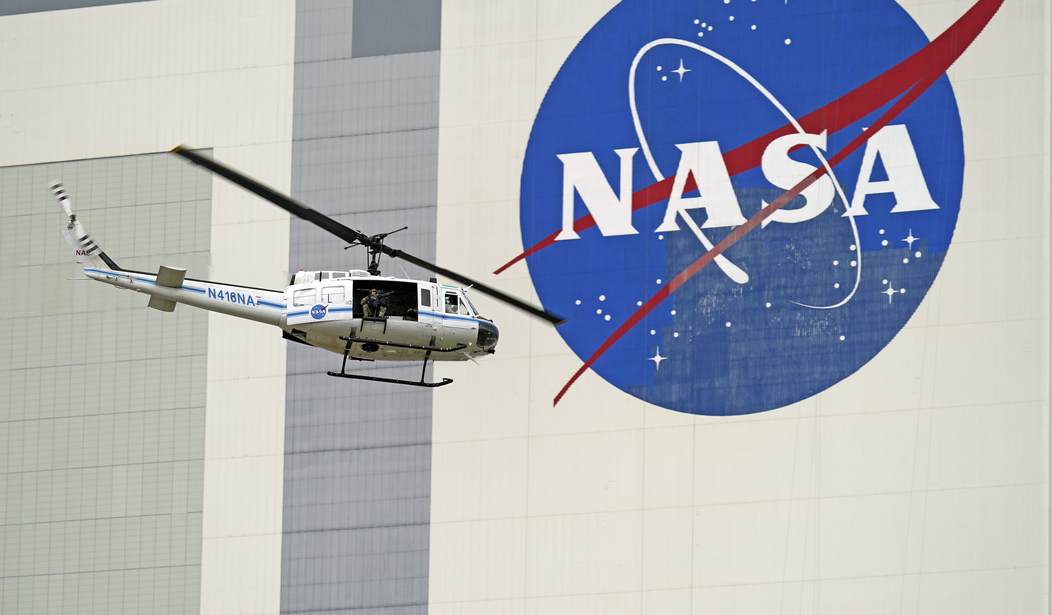
NASA is rewriting the script for its return to the Moon, and this time the agency sounds less like a public relations firm and more like what it is supposed to be: a serious outfit doing hard things for the country. That is the real story behind the latest revamp of the Artemis program.
After years of grand timelines and political speeches, the agency has quietly admitted what everyone who works with complex systems already knows: You do not rush an unproven rocket, an untested lander, and new suits into a high-risk lunar landing because a White House, a contractor, or an international partner wants a victory lap on a particular calendar date. You do it when the hardware is ready, and the safety case is real.
NASA Force is critical to our mission. By recruiting top talent from across America’s most advanced technological organizations, we’re strengthening the expertise needed to push the boundaries of exploration and deliver on the missions ahead. pic.twitter.com/f9X8FRj1rM
— NASA Administrator Jared Isaacman (@NASAAdmin) March 5, 2026
NASA has now added an extra crewed mission before anyone tries to plant boots on the lunar surface. Artemis II, a lunar fly-around with four astronauts, has already slipped to at least April after persistent hydrogen leak problems with the Space Launch System rocket. Artemis III, which had been pitched as a landing near the Moon’s south pole on an aggressive schedule, will instead be refocused so the lander can be launched into Earth orbit for testing in 2027. In other words, the agency is moving from political theater to engineering reality.
We are just weeks away from Artemis II, where we will send astronauts around the Moon—farther than any crew has traveled before.
— NASA (@NASA) January 16, 2026
The mission’s press kit is now available! Check it out: https://t.co/R3JaaG8lQU pic.twitter.com/uTdWqYzvJy
That shift did not happen in a vacuum. NASA’s own Aerospace Safety Advisory Panel warned that the objectives for Artemis III were too ambitious for the current state of the lander, suits, and mission cadence, and urged the agency to rethink its plan. For once, Washington listened to the people whose job is to say no. That is a welcome change in a town where “follow the science” is often a slogan, not a discipline.
There is a broader point here for a conservative audience that has watched one institution after another trade competence for image. Artemis has been marketed heavily on symbolism and diversity, from the name of the program to the constant emphasis on “firsts” when the crew was announced. There is nothing wrong with celebrating the fact that the crew includes a woman, a Black astronaut, and a Canadian who will be the first from that country to travel to the Moon. The issue comes when photo ops outrun flight readiness.
The latest course correction suggests that, at least for this moment, NASA understands that performance matters more than press releases. The United States does not prove itself a serious space power by checking demographic boxes. It does so by safely sending Americans into deep space, bringing them home, and building the industrial and scientific base that follows.
Endeavoring for not just one, but TWO Moon landings in 2028.
— NASA Administrator Jared Isaacman (@NASAAdmin) March 3, 2026
Coming weeks: Artemis II around the Moon
Mid-2027: Artemis III rendezvousing with one or both HLS providers, testing space suits in low Earth orbit
Early 2028: Artemis IV lunar landing
Late 2028: Artemis V lunar… pic.twitter.com/FiIp7jmReC
There is also a strategic dimension that should not be ignored. Artemis is not just about repeating Apollo with better cameras. It is an answer to China and other rivals who see the Moon as the next high ground for resources, technology, and prestige. A botched landing caused by political impatience would not only risk lives. It would hand Beijing a propaganda victory and invite calls to sideline crewed exploration altogether.
Sounds like a plan. I am so glad we have Jared Isaacman @NASAAdmin at the helm. We are so going back! To stay this time!! pic.twitter.com/GFZWK3BPND
— Mission Status🚀💫 (@ARealRocketMan) March 3, 2026
Conservatives have long argued that great nations do great projects when they are serious about priorities and honest about trade-offs. The messy reality of Artemis fits that view better than the glossy brochures. The rocket has leaked. The schedule has slipped. Budgets are tight, and cooperation with private companies adds new complications. Instead of pretending otherwise, NASA is now sequencing the work in a way that gives engineers room to fix problems before they become disasters.
That is not a sign of weakness. It is a return to an older American instinct that valued doing the job right over getting the headline first. If NASA sticks with that approach, Artemis can still become what it should have been from the start: not a stage for political branding, but a test of American excellence in an unforgiving environment. The Moon does not care about our talking points. It will reward only the country that sends its best-prepared people with its best-built machines.
Editor’s Note: Do you enjoy RedState’s conservative reporting that takes on the radical left and woke media? Support our work so that we can continue to bring you the truth.
Join RedState VIP and use the promo code FIGHT to get 60% off your VIP membership!


Join the Conversation
VIP members get the ability to comment on articles.