






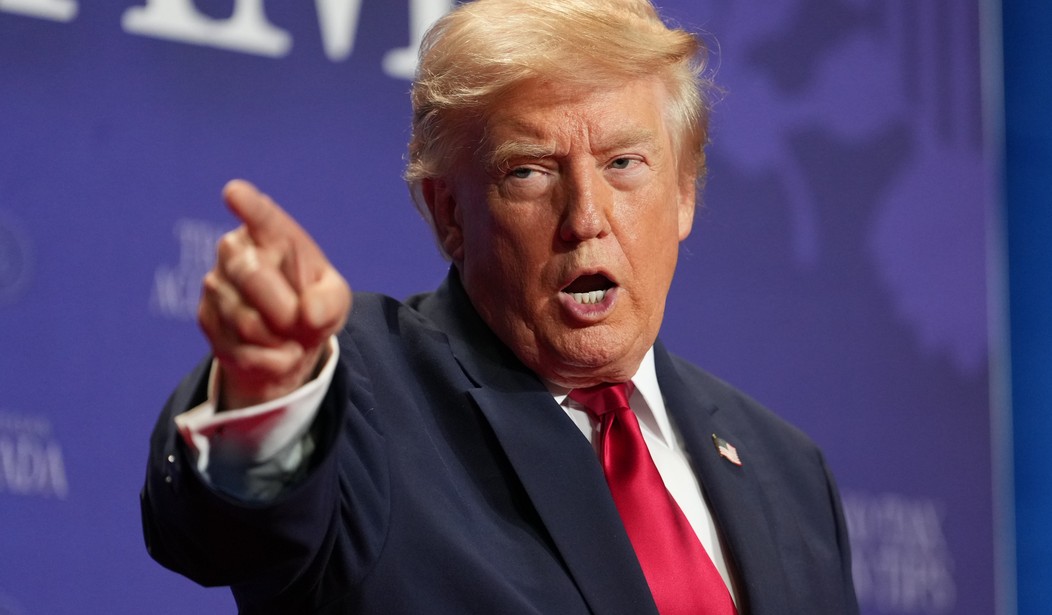
The Trump White House put a number on its fraud crackdown Thursday: $229.9 billion in suspected fraud identified since President Donald Trump returned to office. Vice President JD Vance now has a public ledger to carry that number into the midterms, and the task force he leads says more investigations are coming.
The Fraud Ledger compiles the work of Vance's Task Force to Eliminate Fraud. Federal agencies report their findings in three categories: fraud uncovered, fraud stopped, and fraud enforcement.
The $229.9 billion is an estimate produced through agency data analysis, not cash the government has already recovered. The administration separately lists $56.4 billion in annual spending stopped through provider suspensions, rule changes, and other actions. Another $55.5 billion is tied to indictments, settlements, and civil penalties.
Most of the suspected fraud came from three agencies. The Small Business Administration accounted for an estimated $122.9 billion. The Department of Health and Human Services (HHS) reported $96.2 billion, while the Department of Labor (DOL) added $7 billion.
White House spokeswoman Olivia Wales blamed Democrats for allowing the losses to pile up.
"President Trump is waging an all-out war on fraud, shutting down billions of dollars in taxpayer theft. Democrats have refused to stop this epidemic of fraud. The Trump Administration is holding these criminals accountable and ensuring key federal programs remain viable for the Americans they were meant to support."
Minnesota, already infamous for the Feeding Our Future scandal, now appears beside California in some of the ledger's largest Medicaid actions. The Centers for Medicare and Medicaid Services (CMS) lists more than $2 billion in deferrals involving California and another $500 million involving Minnesota. A deferral allows federal officials to hold payments while a state produces records supporting its claims.
RedState reported in July that California had been ordered to document approximately $867.5 million in claims, while Minnesota was told to substantiate roughly $200 million. The ledger's larger figures cover cumulative actions, not only that round of deferrals.
Read More: Trump Team Pauses $1 Billion in Medicaid Funds to CA and MN, Demands Proof Claims Are Legitimate
The $225 Million School Fraud Scandal: Fake Students, Bribes, and Designer Bags
Federal Trade Commission (FTC) Chairman Andrew Ferguson, the task force's vice chairman, said that lawmakers are already hearing from constituents who want to know what Washington is doing about fraud. He expects the issue to follow members of Congress onto the campaign trail.
A July Kaiser Family Foundation (KFF) survey gives Republicans reason to believe it will. Forty-three percent of voters called government healthcare fraud an extremely important campaign issue, including 55 percent of Republicans and 42 percent of independents, a number that should worry Democrats who thought this was purely a base issue.
Ferguson said the next investigations will reach agencies and programs that have not yet appeared on the ledger.
"I can say that I think what you're going to see over the coming weeks is that the fraud that we're searching is expanding to new agencies and new issues, and that we will have big public announcements uncovering, stopping, and prosecuting fraud in programs [that] will surprise you."
Trump created the task force by executive order in March and placed Vance in charge. The order directed agencies to tighten eligibility checks, install controls before payments go out, share information across programs, and consider withholding funds from jurisdictions without adequate safeguards.
Vance wants Congress to put those requirements into law. Executive actions can be reversed by the next president; legislation would make it far harder for a future Democratic administration to loosen the verification rules or restore suspended providers.
State-level officials have been pushing for exactly this kind of transparency. OJ Oleka, CEO of the State Financial Officers Foundation, which represents the financial officers who actually manage these programs on the ground, testified before Congress in April calling for a public fraud tracker. He got one Thursday, and praised the launch in a statement.
"The American people deserve transparency into how their tax dollars are spent and how much public money is lost to fraud and waste," Oleka said. "This new tool will help provide that accountability. State financial officers stand ready to support its efforts to identify, prevent, and root out fraud, waste, and abuse."
Ferguson expects the first new announcements within weeks. California and Minnesota are already on the page, along with nearly $230 billion in suspected fraud. Democrats will spend the fall explaining why so much taxpayer money was left exposed while they held power.
Editor's Note: Do you enjoy RedState's conservative reporting that takes on the radical left and woke media? Support our work so that we can continue to bring you the truth.
Join RedState VIP and use promo code FIGHT to receive 60% off your membership.
Join the Conversation
VIP members get the ability to comment on articles.