








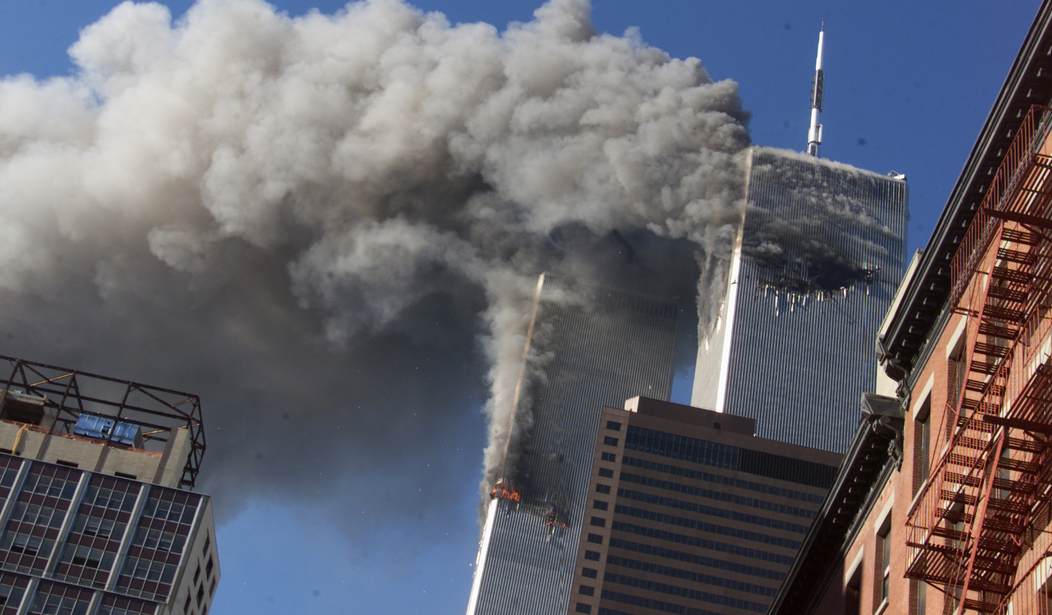
To those of us who watched it all in real time, the horrific events of September 11, 2001, still seem like yesterday. But for those who lost loved ones that awful day, they continue to relive that pain every day. Since that day, efforts have continued to identify victims. Now, however, a new method may make those identifications easier, even after all this time. But for true crime fans, it might be something already familiar.
A 9/11 victim was identified for the first time through genetic genealogy, combining DNA with family-tree research. Twenty-five years later, technology is still returning names to the missing. pic.twitter.com/iQ0trKSgUS
— Fact Check (@Trendrop1) August 24, 2026
On Monday, authorities with the New York City Office of the Chief Medical Examiner, along with the New York City Police Department's (NYPD) Detective Bureau, reported that they had been able to identify a 9/11 World Trade Center victim 25 years later through new technology called genetic genealogy. The family of the adult female victim did not wish to come forward, but she "was the 1,654th victim to be formally identified."
READ MORE: The Essex Files: Respect the 9/11 Families on the 25th Anniversary
According to the Library of Congress website, the technology is explained this way: The process creates family history profiles by using a combination of DNA test results and traditional genealogical methods. It can ultimately determine the levels and types of biological relationships between or among certain individuals. And as genetic testing tools like Ancestry.com and 23andMe have become popular with the general public, that genetic information has become much more easily accessible.
Dr. Jason Graham is New York City's Chief Medical Examiner. He stated:
“It's a breakthrough. I'm delighted to be able to say that we've now applied new methods to the World Trade Center identification efforts, and we have a new identification for the first time in 25 years using new methods, forensic investigative genetic genealogy.”
NYPD Detective Gregory Paduano echoed Dr. Graham's optimism about the technology, saying, “The technology really wasn’t there. There's a lot of good future with genealogy.”
A new DNA-based approach could help New York identify more of the nearly 1,100 9/11 victims who remain unidentified. https://t.co/ToJN9zlGex
— Interesting Engineering (@IntEngineering) August 24, 2026
For true crime buffs, genetic genealogy is not completely new. It has proven to be a useful tool for law enforcement in solving unidentified cold cases. But as the milestone anniversary of the Islamic terrorist attacks approaches, it seems like a no-brainer to use it to identify as many remaining unidentified 9/11 victims as possible. Dr. Jennifer Odien is a forensic anthropologist with the New York Medical Examiner's Office. She stated:
“We already can see that it's promising. Not every case is going to be able to go through genetic genealogy, but we do have DNA profiles that are not matching to our reference samples, so that's the group right now that we're focusing on and that hopefully is going to yield more positive results.”
ALSO READ: Seriously? Kathy Hochul Orders One World Trade Center Lit in Honor of Muslim American Heritage Month
Odien went on to say that there are roughly 47 profiles where genetic genealogy could be best put to good use. But incredibly, 25 years later, that is just a small number of the almost 1,100 victims, 40 percent of the total, that are still as yet unidentified.
Dr. Graham may have summed it up best, saying:
“The World Trade Center was the largest mass murder in the history of the United States, and it represents also the most complex forensic identification effort in our history. And being able to apply new innovations to that identification work is a remarkable way that we can keep our commitment to the families."
For the first time, the New York City's Office of the Chief Medical Examiner and the NYPD Detective Bureau have identified a 9/11 victim using genetic genealogy, which combines DNA testing with family tree research, ABC News has learned.
— ABC News (@ABC) August 24, 2026
Read more: https://t.co/8RDoTovseK pic.twitter.com/XDSUz94f0v
Editor’s Note: Every single day, here at RedState, we stand up and FIGHT, FIGHT, FIGHT against the radical Left and deliver the conservative reporting our readers deserve.
Help us continue to tell the truth about the Trump administration and its successes. Join RedState VIP and use promo code FIGHT to receive 60% off your membership.

Join the Conversation
VIP members get the ability to comment on articles.