






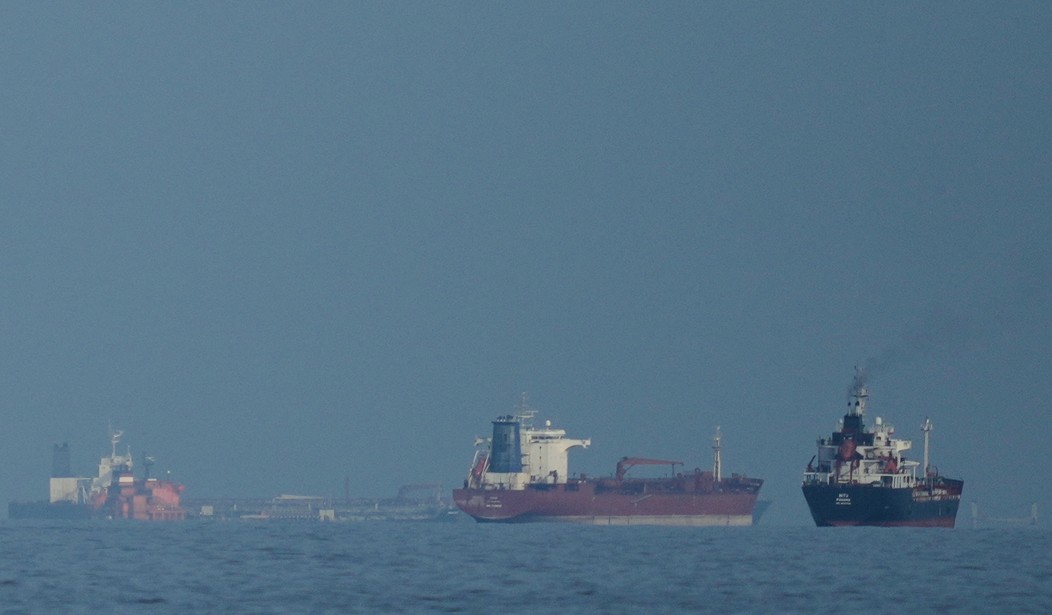
The world economy runs on oil, and supplies may now be picking up quicker than we thought, in the wake of the USA/Iran memorandum of understanding. This will hopefully lead to a wider, longer-lasting peace deal, but in the meantime, the oil is already flowing in the Strait of Hormuz - and those shipments may be set to increase, very fast indeed. CNBC's Brian Sullivan has more:
We have a deal. Or at least, a deal to make a deal. That deal to make a deal is dealing oil lower. Unless there is no deal and “bombs start dropping” again. I’ll get to that.
Wordplay aside, the last few days have been remarkable for oil, energy, and markets. The U.S. and Iran reportedly have a framework for a longer-term peace deal. While much still needs to be worked out, the markets love the news, and oil prices have fallen dramatically. The Dow Jones Industrial Average surged above 52,000 for the first time ever Tuesday on the news before selling off on Wednesday.
Crude’s move lower has been the quickest since Covid. From its April 7th peak of nearly $113, oil has fallen 30%. The bottom may not be in yet. Here’s why.
The world is waking up to the fact that Middle Eastern countries can ramp up production faster than many expected. I mentioned this a few days ago on X:
I can report that some Mid East nations have more oil (in reservoirs) that they can load faster than you think.
— Brian Sullivan (@SullyCNBC) June 15, 2026
Time stamp this. https://t.co/4qcsF0W85d
Note that comment in the X post: Several of the major oil-producing nations in the Middle East may well have been sitting on more oil than previously thought. They may be limited, not by oil supplies, but by the number of tankers available. That's not the worst problem the global economy could have right now.
Read More: VP Vance: Trump's New Iran Deal Sends Gas Prices Plummeting
Trump: Without the New Iran Deal, Hormuz Closed for Years and Markets Crash
Mr. Sullivan has something to say along those lines, as well:
Our friends at MarineTraffic by Kpler brought us some key data that there are 130 empty - or ‘at-ballast’ - oil tankers in the Persian Gulf right now. This is well below the average pre-war total of about 250 at-ballast tankers in the water. The number of available ships is critical because it goes directly to how fast countries such as Saudi Arabia, UAE, Kuwait and others are able to export via ship.
That may be a bottleneck. These tankers, furthermore, aren't exactly speedboats; they can't just do a quick course change and race off to anywhere there's oil to load. Still, oil prices are headed in the right direction, and fast.
With the 2026 midterms fast approaching, this has to be a source of satisfaction for the Trump administration in particular, and Republicans in general. Spiking gasoline prices never benefits the party that is seen to be holding the reins, but if oil prices keep dropping and gasoline runs below the pre-war average, that may benefit the GOP candidates - and if it drops lower, to pre-Biden levels, that would help even more.
There are a million ways things could still go south in global oil markets. But for now, it appears that things are looking up.
Editor’s Note: Thanks to President Trump’s leadership and bold policies, America’s economy is back on track.
Help us continue to report on the president’s economic successes and combat the lies of the Democrats. Join RedState VIP and use promo code FIGHT to receive 60% off your membership.


Join the Conversation
VIP members get the ability to comment on articles.