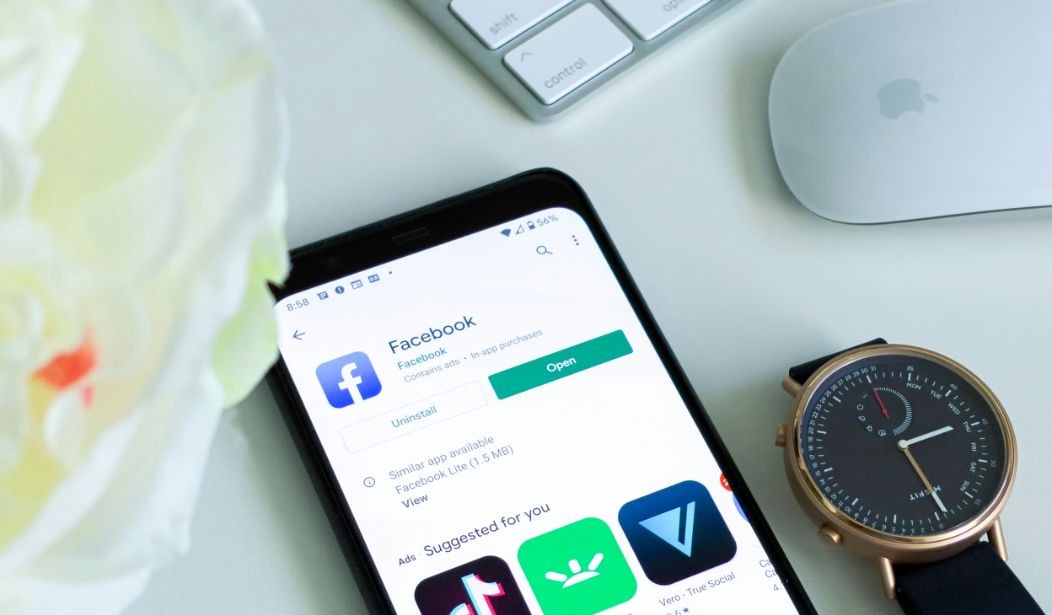

There can be little doubt that our modern, high-tech lifestyle has improved our world in many ways. Not only are our lifespans longer than in previous centuries, but our vehicles, appliances, and almost every other piece of equipment in our lives are also much more efficient, and things are also much more convenient. Instead of climbing into the car and driving to the local shopping center or mall to buy some new jeans, some pots and pans, or a hat, one can get all that online and have it delivered to your front door. Sometimes (not in Alaska!) even the same day.
There's a downside, too, and that is that life is so much more complicated now. A recent piece at The Daily Sceptic by author Guy de la Bédoyère presents us with a few interesting insights.
My wristwatch was manufactured in 1945 by the Elgin company in Illinois for the US Army Air Force. I know that because it says so on the back. It has no battery, no software or electronic screen. At 80 years old it manages the remarkable feat of working all day every day, requiring only to be wound up in the morning, which takes about five seconds. I have used it all round the world from Australia to the United States on protracted hikes in high temperatures. It has never failed.
None of this, of course, would once have excited the slightest interest. It only seems remarkable now because we are surrounded by unprecedented levels of unpredictability and unreliability. Yet this has crept up on us slowly and insidiously and it is, I would contend, driving us all slowly crazy.
I don't wear a watch. I carry one. While it's powered by a battery, not a wound-up spring, it's otherwise much the same. It tells me what the time is, and it also has a stopwatch function I've never used. I may be the last person on the planet who carries a pocket watch, but there you are.
It's when we start getting into things that have to be updated, downloaded, connected, folded, spindled, and mutilated that things get frustrating.
The other day my 80 year-old neighbour came round with her smartwatch. She’d bought it, she said “in case I have a fall, and then I can call for help”. Great idea, except that the reason she’d come round was because Bluetooth had disconnected from her phone and she couldn’t get it to reconnect.
She was frustrated and upset, even scared. I’ve never dealt with a smartwatch before, but I told her to restart the watch which succeeded in reconnecting the two devices. She was overcome with relief, but I could see the stress she had suffered. However, the whole idea is false security. In the rural area we live the mobile phone signal is very erratic anyway.
Two days later, she was back. She’s bought a new printer. She wants to be able to print from her laptop, tablet and phone. Why, I asked, would you want such a complicated system which, even if I can get it working, will inevitably fall down later?
Because these are the systems we have to work with.
Read More: Robot Revolution Sparks New Crime Surge Alert
Just Another Day in LA: Viral Video Shows Woman Discovering Creepy Surprise in Trunk of Her Waymo
While all this tech has made our lives easier, in some ways, it's likewise frustrating that they have to be updated and replaced - continually. The makers of things like smartphones and the technology that surrounds them have given us a level of connection to our fellow humans that's unheard of; I remember once receiving a call from our local car dealership to inform me that my wife's truck's scheduled service was complete.
"I'll have to call her and have her come get it," I told the service manager. When he asked why, I said, "Because I'm in Japan." Only a decade or two earlier, that call would never have gone through. But the price for that! Oh, the price for that! A modern smartphone is all solid state. There are no moving parts. It stands to reason that they should last 20, 30, 50 years. But they don't. The software changes, and they make sure that older phones won't run the newer software, and in time, that they won't run at all. Even if the device doesn't outrun the software, it's for sure and for certain that the thing won't last more than 4-5 years, tops.
While we're on the topic, that connection to our fellow humans I mentioned? Oh, you can get around that by turning the stupid thing off. But there's always that nagging itch; that funny feeling that one of the kids might be trying to reach us, or that some work issue has exploded in our faces, or just that someone on the internet may have been wrong about something and we weren't online to correct them. As a people, we've often resigned ourselves to this ever-connected status, and now many people are at the point where they are addicted to it.
I've always told my wife that if I ever retire, which doesn't look likely (do what you love and you'll never work a day in your life), I was going to go over to the lake, side-arm my phone into the water, have a landline installed in the house, and never answer it.
Then again, that connectedness is one of the things that we rely on here, in the Great Land; about the only downside of this location is that we are so far from our kids and grandkids, but the stream of photos and videos makes us feel like we're a lot closer.
Our modern, high-tech lifestyle certainly isn't going away any time soon, and we should be glad for that. All in all, it's making our lives better. But it does have its frustrating side; when these things happen, it's best to just turn the phone/laptop/tablet off, go outside, go for a walk, breathe the air, touch some grass. That, you will find, is much more satisfying than waiting in line to score the latest iDoodad 9.0, or whatever the tech people have cooked up this time.