








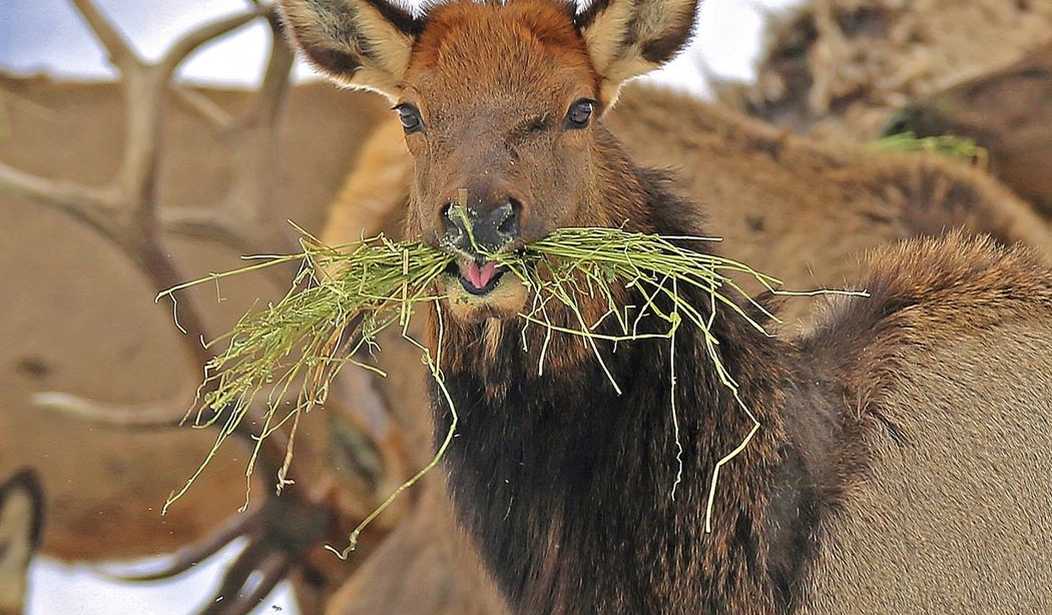
Michigan may not be the first state that comes to mind when one thinks of elk, but that state does have a herd of these magnificent animals. Now, the habitat of Michigan's elk herd has just gotten a big boost, and as is so often the case when it comes to wildlife habitat, that boost came from a source some may find surprising: An organization made up mostly of elk hunters, the Rocky Mountain Elk Foundation, which just helped preserve 8,850 acres of elk habitat in Michigan.
Located in the heart of Michigan’s elk range, the Pigeon River Country State Forest in the state’s Lower Peninsula now includes an additional 8,850 acres, thanks to the Rocky Mountain Elk Foundation’s contribution of funds for a recent land acquisition by the Michigan Department of Natural Resources (DNR). The DNR’s purchase of the Black River Ranch in Cheboygan and Montmorency counties conserves the property from future development and opens the land to the public for hunting, fishing and other outdoor activities.
RMEF has been active in the Pigeon River Country State Forest area for years, completing 36 previous land conservation, access, and habitat and wildlife stewardship . Following an inquiry from the landowners, who wanted to ensure the tract’s natural resources were conserved for future enjoyment, in 2020 the Little Traverse Conservancy approached RMEF about partnering to help the DNR acquire Black River Ranch. Negotiating the purchase transaction came to a successful conclusion in early December.
Full disclosure: I've been a member of the Rocky Mountain Elk Foundation for years. I remember donating the help set aside land in southern Colorado that had been the site of a major operation by a natural-gas extraction firm, and was set to be broken up into 35-acre "ranchettes." Instead, the RMEF and other sportsmen's groups halted that, bought the land, and now that 30,000-acre tract is the Bosque Del Oso State Wildlife Area, where I have hunted elk, deer, and turkey on several occasions.
It's always sportsmen's groups doing this kind of vital habitat work.
“More than five years in the making, conservation of the Black River Ranch property is a great example of RMEF’s steadfast commitment to increasing public access while ensuring vital habitat remains for big game and other wildlife,” said Jennifer Doherty, RMEF managing director of mission operations. “We applaud the landowner, Little Traverse Conservancy and Michigan DNR for their partnership in conserving one of the last large intact parcels within Michigan’s designated elk zone, a move that both supports active forest management and helps reduce wildlife conflict—outcomes RMEF is proud to champion.”
Indeed, well done.
Read More: They Eat Horses, Don't They?
CPAC 2025 Has Some Unexpected Attendees - Sparrows
If you want to look to see who the real champions of habitat preservation are, always look to sportsmen's groups. The champions of North American wetlands preservation, for example, is another group I'm a member of: Ducks Unlimited, which, in the 88 years of its operation, has directly preserved almost 20 million acres of wetlands, and helped preserve over 200 million acres more through easements and so forth. There are other such groups: Pheasants Forever, Quail Unlimited, and more.
Compare this to the total amount of habitat preserved and protected by animal rights groups like PETA, which comes in at a resounding "none."
This Michigan project is another example: If you want to know who the real champions of wildlife habitat are, it's hunters - it has always been hunters.
Editor’s Note: Do you enjoy RedState's conservative reporting that takes on the radical left and woke media? Support our work so that we can continue to bring you the truth.
Join RedState VIP and use the promo code FIGHT to get 60% off your VIP membership!



Join the Conversation
VIP members get the ability to comment on articles.