






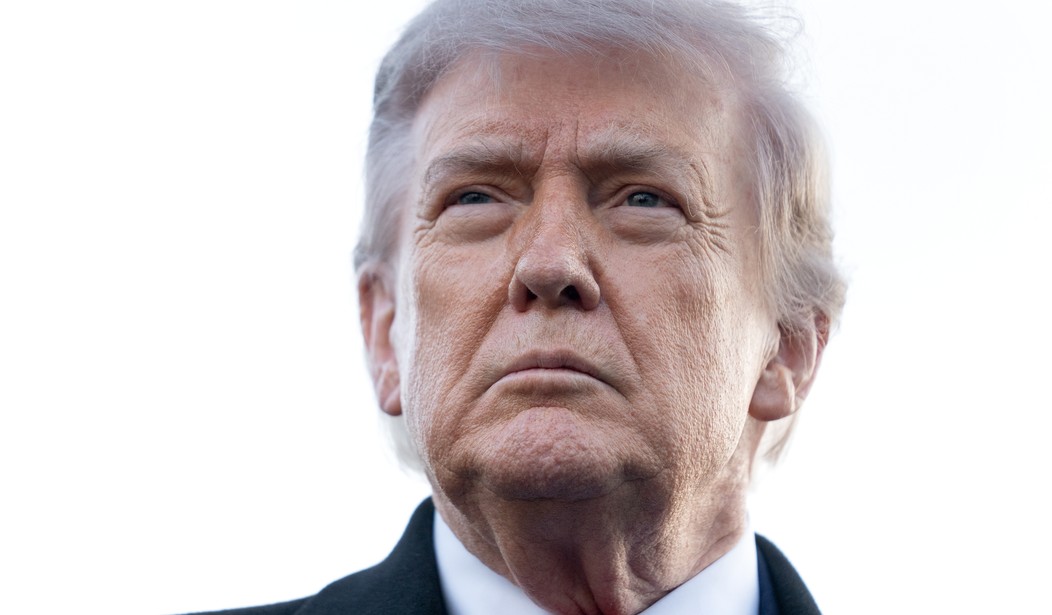
WASHINGTON —In an 11th-hour decision, President Trump abruptly canceled scheduled U.S. strikes on Iran Thursday evening, citing progress in high-level discussions with Tehran even in the midst of escalation.
For months, American and Iranian negotiators have engaged in cold diplomacy. They never met in the same room and never spoke directly. Instead, Qatari mediators shuttled proposals back and forth between officials from Tehran and Washington in an approach that has produced plenty of optimistic statements from mediators, but little actual progress. But now, despite President Trump’s recent statements about seizing Kharg Island, it seems that pressure has already broken the deadlock.
U.S. Central Command forces began launching additional self-defense strikes today at 5:15 p.m. ET against multiple targets in Iran at the Commander in Chief’s direction. The strikes are in response to Iran’s unwarranted and continued aggression.
— U.S. Central Command (@CENTCOM) June 10, 2026
President Trump had once again turned to American military power in an effort to break Iranian resistance after talks stalled. Iran escalated the confrontation by downing a U.S. Army Apache helicopter near the Strait of Hormuz earlier in the week and launching follow-on drone and missile attacks on U.S.-linked targets in Bahrain, Kuwait, and Jordan.
On Wednesday night, U.S. forces launched a second consecutive round of precision strikes against Iranian military targets. By Thursday morning, further strikes seemed inevitable after a Truth Social post and follow-up interviews where he warned that the United States would hit Iran “VERY HARD TONIGHT” if they continued to drag their feet. The Wednesday operation began around 5:15 p.m. Eastern Time on Wednesday and continued for roughly four hours. U.S. Air Force, Navy, and Marine assets, including Tomahawk cruise missiles fired from ships in the region, hit nearly 20 targets across Iran. Key sites were targeted, including radar installations, air defense systems, communication nodes, ground control stations, and surveillance facilities, particularly those guarding the Strait of Hormuz. Explosions were reported near Tehran, Bandar Abbas, Qeshm Island, and Sirik.
Iran’s Revolutionary Guard Corps acknowledged damage to a manufacturing complex, military barracks, and at least one local base. Pentagon officials described the strikes as successful and proportional, aimed at degrading Iran’s ability to threaten commercial shipping and U.S. forces.
The President’s threat to hit Iran harder included a revelation that American forces would take control of Kharg Island, the small but vital Persian Gulf terminal that handles roughly 90 percent of Iran’s crude oil exports. Trump drew a direct parallel to U.S. actions in Venezuela, stating the goal would be to assume “total control” of Iran’s oil and gas markets.
( @realDonaldTrump - Truth Social Post )
— Fan Donald J. Trump 🇺🇸 TRUTH POSTS (@TruthTrumpPosts) June 11, 2026
( Donald J. Trump - Jun 11 2026, 1:28 PM ET )
Based on the fact that discussions with the Islamic Republic of Iran have been brought to the highest level of Iranian leadership and approved, I have, as President of the United States of… pic.twitter.com/p940GVx6bB
ALSO SEE: Trump Announces Bold New Kharg Island Move to Crush Iran Regime
Did Iran Just Blink? Trump Abruptly Cancels Thursday Night Strikes (but Keeps Iran's Ships Boxed In)
However, by Thursday afternoon, Trump called off the planned follow-on strikes. In a Truth Social post, he stated:
Based on the fact that discussions with the Islamic Republic of Iran have been brought to the highest level of Iranian leadership and approved, I have, as President of the United States of America, cancelled the scheduled strikes and bombings against Iran this evening. Discussions and final points have been, in both concept and great detail, approved by all parties involved, including the United States, Israel, Saudi Arabia, UAE, Qatar, Turkey, Pakistan, Bahrain, Kuwait, Jordan, Egypt, and others. The Naval Blockade will remain in full force and effect until this Transaction is finalized — Time and place of the signing to be announced shortly.
This pattern of intense military pressure followed by a rapid pause at the 11th hour reflects Trump’s consistent Iran doctrine: using the heavy hand to force movement in negotiations while keeping diplomatic off-ramps open. The same Qatari-mediated indirect channels that had produced little progress for months could now be delivering a breakthrough, as the President announced from the Oval Office late Thursday afternoon that a settlement has, in fact, been reached. While precedent gives reason for skepticism, if anyone can close the deal, it is President Trump.
Editor's Note: For decades, former presidents have been all talk and no action. Now, Donald Trump is eliminating the threat from Iran once and for all.
Help us report the truth about the Trump administration's decisive actions to keep Americans safe and bring peace to the world. Join RedState VIP and use promo code FIGHT to get 60% off your VIP membership.
Join the Conversation
VIP members get the ability to comment on articles.