






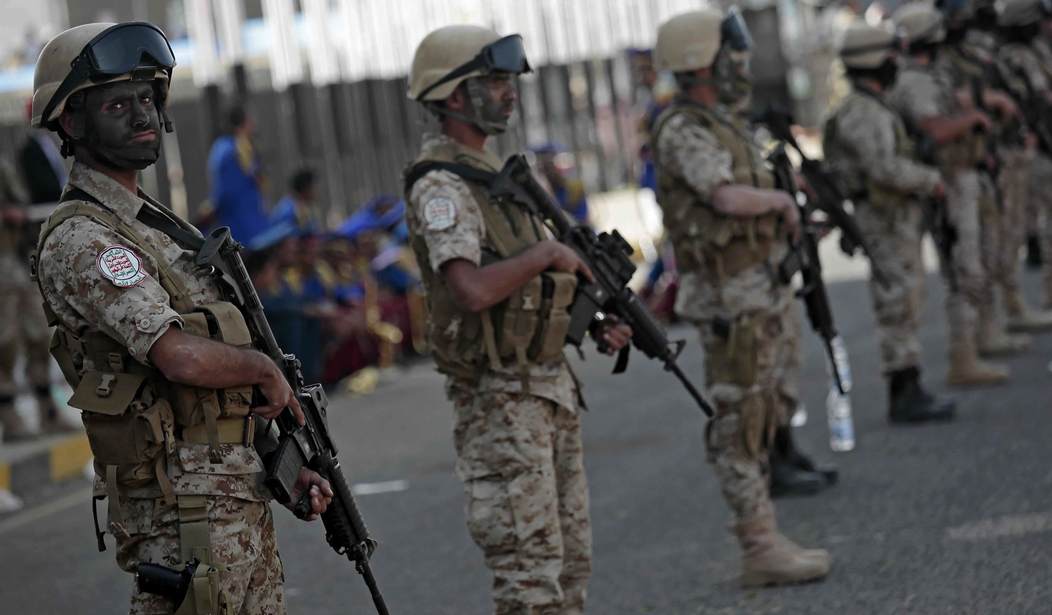
The Iran war expanded to a third front Saturday as Yemen’s Houthi rebels fired a ballistic missile toward Israel, confirming their first military action against the Jewish state since the United States and Israel launched joint strikes on Tehran nearly four weeks ago.
Israel’s military said it detected the incoming missile from Yemen and worked to intercept it. The Houthis, an Iran-backed group formally known as Ansar Allah, called the launch their “first military operation” in support of Iran since the conflict began on February 28.
The entry of a third military actor into the fight puts two of the world’s most critical waterways at risk at the same time. Houthi forces spent months targeting commercial shipping in the Red Sea during Israel’s war in Gaza. Now, with the Strait of Hormuz already heavily restricted, the Red Sea faces renewed pressure as well.
What the Houthi Attack Means for the War
The Houthis had warned for weeks that they would join the fighting if U.S. allies entered the conflict or if American and Israeli forces used the Red Sea to strike Iran. Saturday’s launch made good on that threat.
FLASHBACK: Do the Houthis Want a Piece of the Iran War or Are They Just Shooting Their Mouth Off?
Iran’s state media had also signaled this possibility, threatening to close the Bab al-Mandab strait, the narrow passage connecting the Red Sea to the Gulf of Aden, in coordination with the Houthis if the U.S. kept pressing its campaign.
An Omani port was struck Saturday by two unmanned aerial vehicles, the government-run Oman News Agency reported. Oman has served as a go-between for Washington and Tehran throughout the conflict.
The Economic Damage Is Already Global
The IEA warned this week that the global economy faces a threat worse than the combined oil crises of 1973 and 1979. Agency head Fatih Birol said at least 40 energy facilities across nine countries have been severely damaged since the fighting began.
Go Further: 12 US Troops Injured in Iranian Strike on Saudi Arabian Base
Oil prices have surged. The U.S. Postal Service has sought approval for an 8 percent fuel surcharge on packages, pending sign-off from the Postal Regulatory Commission and scheduled to take effect April 26 if approved. The United Nations put the war’s economic toll across the Arab region at roughly $63 billion. Australia announced new fuel security measures on Saturday as prices kept climbing.
Earlier on Saturday, at least 12 U.S. service members were injured, none fatally, in an Iranian attack on Prince Sultan Air Base in Saudi Arabia. Two sustained shrapnel wounds.
This is a developing story. RedState will provide updates as more information becomes available.



Join the Conversation
VIP members get the ability to comment on articles.