








Democrats will spend 2026 blaming Medicaid reforms and expired Obamacare subsidies for healthcare problems in red states. They won’t mention the bigger threat: pharmaceutical companies rewriting the rules of a federal drug discount program that’s kept rural hospitals afloat for three decades.
The 340B Drug Pricing Program has been around for more than 30 years. Drug manufacturers who want to participate in Medicare and Medicaid—and collect billions in taxpayer dollars—have to offer discounted prices on outpatient drugs to safety-net hospitals and community health centers. These facilities then use those savings to provide services that wouldn’t otherwise be financially viable in rural communities.
According to new survey data from Advocates for Community Health, about 25% of the total savings large community health centers generate through 340B purchases goes into rural health care. Separately, 77% of participating health centers use 340B savings to support rural services. Five centers reported that more than 70% of their savings went toward rural care.
Health centers use these funds to keep clinic sites open that would otherwise close, expand telehealth offerings, operate mobile clinics, provide transportation assistance, and support school-based health centers. The money also pays for chronic disease management, prevention programs, capital improvements, and specialty and behavioral health services—including opioid treatment and recovery programs in places like Appalachia, addressing problems that pharmaceutical companies like Purdue helped create.
All of this is now under threat.
The Rebate Model Shell Game
Drug manufacturers want to keep their profitable Medicare and Medicaid contracts while eliminating the upfront discounts they’re required to provide. Their pathway: converting 340B from a discount-at-purchase program to a rebate-after-purchase program.
Starting January 1, 2026, the Health Resources and Services Administration is launching a “pilot program” for the first ten drugs subject to Medicare price negotiation under the Inflation Reduction Act. Instead of getting discounted drugs at the point of sale, rural hospitals and health centers will have to pay full wholesale prices upfront, then submit claims and wait for rebates from drug manufacturers.
The drug companies claim this gives them more transparency to prevent “duplicate discounts” and drug diversion. What it does is shift the financial burden from highly profitable pharmaceutical corporations to cash-strapped rural hospitals, 432 of which are vulnerable to closure nationwide.
Right now, a rural health center orders medications at the discounted 340B price through its wholesale account. Under the rebate model, they’ll order those same drugs at full price (potentially tens of thousands or hundreds of thousands of dollars more) and then file paperwork requesting rebates that manufacturers are supposed to pay within 10 days.
Manufacturers are supposed to pay within 10 days. But there’s zero enforcement guaranteeing those rebates arrive, and drug companies can dispute claims with limited oversight. It’s like switching from getting sale prices at checkout to paying full retail and hoping the store eventually mails you a refund check.
340B Health estimates this change would force each disproportionate share hospital to front an average of more than $72 million while waiting for rebates. That’s cash these facilities don’t have sitting around because they’re already operating on razor-thin margins or at a loss.
Conservative Defenders Emerge
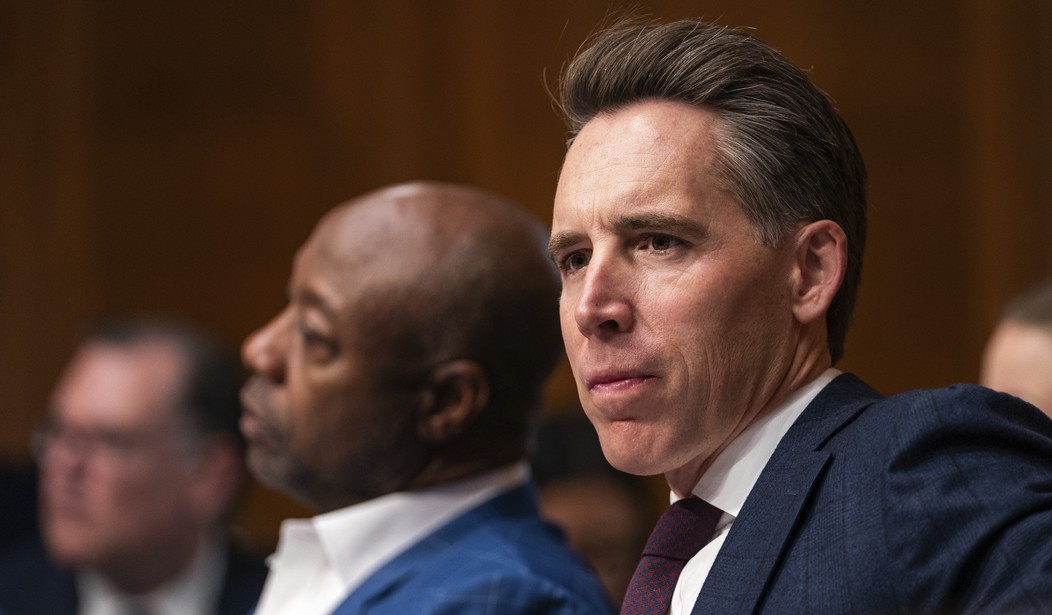
Senators Tommy Tuberville and Josh Hawley have emerged as major defenders of keeping 340B as is, largely because they understand what this program means for rural Republican constituencies.
During an October Senate HELP Committee hearing, Tuberville made the case plainly, noting that “83% of rural hospitals in my state operate at a loss. If other states want to highlight hospital systems that are flushed with cash, then reform efforts should be directed towards those. Not towards states like mine that rely on 340B discounts for survival.”
Tuberville emphasized that the 340B program costs taxpayers literally nothing. It’s not a government subsidy. The only entities taking a financial hit are the drug manufacturers themselves—and only if they choose to participate. They can opt out any time they want. They just don’t want to, because then they can’t profit off taxpayer-funded Medicare and Medicaid programs, which is vital to their business model.
That’s the fundamental dishonesty in how pharmaceutical companies and their allies are framing this debate. They’re casting themselves as victims of a program that’s grown “out of control,” when program growth has tracked almost exactly with drug price increases that those same companies imposed. When median launch prices for new drugs jumped 23% from 2023 to 2024—from $300,000 to $370,000—the 340B program grew at the same 23% rate.
The Rural Reality
According to the Chartis Center for Rural Health, 46% of rural hospitals have negative operating margins. Nearly half of all rural hospitals are losing money on patient care. For many of these facilities, 340B savings are the difference between keeping their doors open and shutting down.
Look at what happened in Thomasville, Alabama. The local hospital opened in 2020 with state-of-the-art equipment, including a 3D mammogram and MRI scanner. It closed less than five years later in September 2024. The building now stands empty, expensive machines gathering dust, while patients drive hours for care they used to access locally.
That story is playing out across rural America. More than 180 rural hospitals have closed since 2010. When a rural hospital shuts down, it doesn’t just mean longer drives for emergency care. It means pregnant women have to travel hours for prenatal visits and delivery. It means nursing home patients are being transported to distant facilities for basic treatments like UTI care. It means communities are losing one of their largest employers and economic anchors.
The rebate model threatens to accelerate these closures by creating cash flow crises for facilities that are already financially vulnerable. Small rural hospitals don’t have the financial reserves to front millions in drug costs while waiting for rebates that might be delayed or disputed.
The Political Reality
Democrats are going to blame Republican policies for rural healthcare problems as we head into the 2026 midterms. They’ll point to Medicaid work requirements or subsidy expirations as the cause of access issues. That’s predictable political theater.
What they won’t mention is how their pharmaceutical industry allies are actively working to dismantle a program that’s kept rural hospitals afloat for three decades without costing taxpayers a dime.
And what some Republicans need to understand is that allowing the rebate model to spread beyond this “pilot program” would be handing Democrats a gift-wrapped campaign issue while actually harming the rural constituents who form the core of the conservative coalition.
The American Hospital Association has already filed suit to block the rebate pilot, arguing it violates administrative law and threatens patient care. That legal challenge deserves support from conservatives who claim to care about rural communities and constitutional limits on executive agency power.
The Crisis Democrats Encourage
Drug manufacturers want to keep collecting billions from government programs while shedding the discount obligations that come with that privilege. They’re dressing up this cash grab in the language of “reform” and “transparency,” but the practical effect would be forcing rural hospitals to play bank for pharmaceutical companies while waiting for rebates that may never arrive.
340B savings directly support rural healthcare services that wouldn’t otherwise exist. The program costs taxpayers nothing. The only losers under the current system are drug companies whose profit margins remain obscene even after providing these discounts.
When you hear 2026 campaign messaging about rural healthcare crises, note who’s defending the 340B program and who’s carrying water for pharmaceutical manufacturers. That’ll tell you who cares about keeping rural hospitals open versus who’s just playing political games.
Note: Do you enjoy RedState’s conservative reporting that takes on the radical left and woke media? If so, please support our work so that we can continue to bring you the truth.
Join RedState VIP and use the promo code MERRY74 to receive 74% off your membership!


Join the Conversation
VIP members get the ability to comment on articles.