
As some of you may remember, I had a very harrowing moment where I was unable to sleep and, as a result, kept getting intense migraines that left me half blind and with intense nausea. Since that time, I've gotten far better, and my sleep anxiety has more or less become something I've been able to manage.
Still, from time to time, I would experience a bout of panic at night, and it's usually when I'm trying to wean myself off my sleep medications. I told my psychiatrist, and we thought that maybe giving Zoloft a try wasn't a horrible idea. It would reduce my anxiety while I pushed the other medications out of the rotation, and then, if I wanted, I could get off that too.
I definitely wanted that. I'm not one for taking medication. I'll even fight taking Tylenol, even if it means pushing my way through a headache.
Long story short, after weeks of taking Zoloft, I didn't feel any better. In fact, I felt worse. I was depressed, unmotivated, and the creativity I relied on to write here at RedState and make YouTube videos felt like it was trapped behind glass. I knew it was there; I just couldn't access it. It took me a while to identify the culprit as Zoloft. It doesn't immediately present with these symptoms. It's slow. The symptoms take weeks to reveal themselves, and you might even attribute them to something else.
I did. I thought I was tired or sick. My patience with people had diminished to nothing, including patience with my family, and I thought I had just naturally reached a point of exhaustion with all that I'd been juggling.
Once I realized it was the Zoloft, I stopped taking it immediately, and almost immediately, the fog began to clear. I was happier, more motivated, more creative, and didn't want to lock myself in my room and ignore the world.
Naturally, this got me thinking: If that happened to me, who else is it happening to without them understanding what's going on? We're told that Selective Serotonin Reuptake Inhibitors (SSRIs) are supposed to help you feel less stressed, boost your mood, and even make you more productive. Perhaps with some people they do, and because they have helped some, nothing but positive press has been given to them.
According to a study published in the BMJ Mental Health Journal, roughly one in six people is on an SSRI in America, specifically among white people:
Among 30 115 respondents with complete antidepressant data, 16.6% reported current antidepressant use, and of 30 098 respondents with psychotherapy data, 10.4% reported current psychotherapy. Use of both treatments was significantly greater among White respondents compared with all other racial groups.
ALSO SEE: MAHA Bombshell: RFK Jr. Targets Kids on Antidepressants for Deprescribing
Usage of the drug reportedly spiked after the lockdowns, meaning many people got on them to deal with the mental issues of being cooped up and unable to interact with others, and then never got off them. According to KFF Health News, those taking them are mostly women and, disturbingly, younger Americans. It also reported that Health and Human Services Secretary Robert F. Kennedy Jr. noted that people, including his own family members, said they had a tougher time quitting SSRIs than people have quitting something like heroin.
Moreover, Kennedy's agency is studying the link between these meds and violent behavior such as school shootings.
The studies don't stop there. SSRIs are supposed to help people get to a point where they can function regularly, be productive, and live normally, but for many people, nothing actually improves. Productivity either stays the same or tanks.
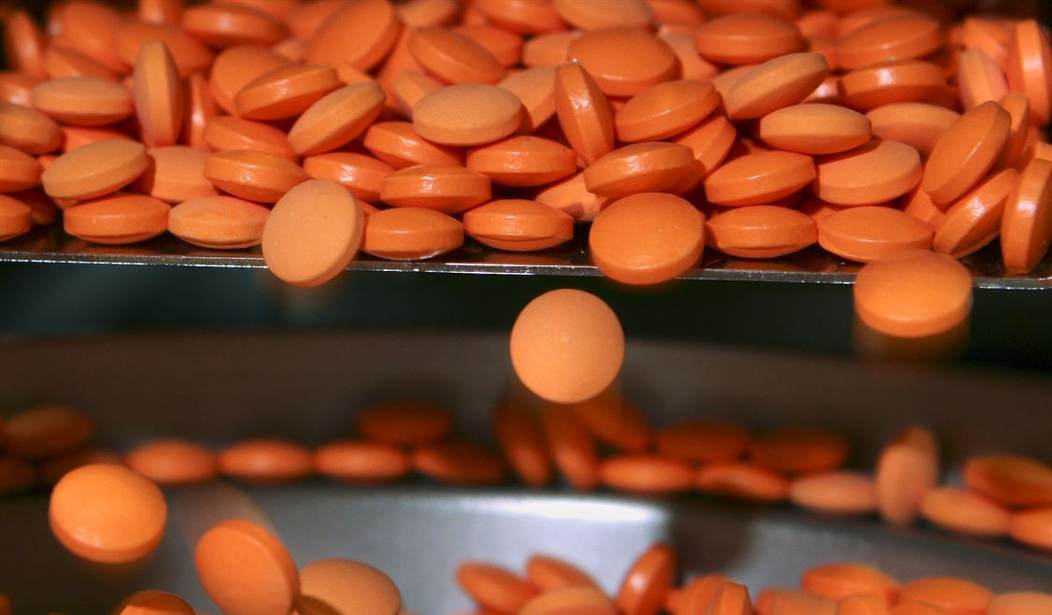
It seems that there's an odd push to have SSRIs become incredibly common among the populace. It's not hard to get them at all. Doctors seem to prescribe them as if you're simply asking for a bag of Skittles. Funny enough, I'd joke with my wife that my Zoloft tasted like Tic Tacs.
To be sure, there are people out there who benefit from them. That much is undeniable. However, as a guy who was in the 5th Grade when the Ritalin craze hit, and doctors were shoving those pills down the throats of every boy they could, I can't help but recognize the echo. There are a few select people who benefit from the medication, but I would say that the vast majority of people who have it handed to them don't need it at all, and it was a long-term fix to a short-term problem.
My question is, if I had been experiencing those symptoms I described above, then how many others are mired in a flat fog and don't realize the thing they think is helping balance them out is actually the thing hurting them the most? Why isn't this widely talked about?
Who's getting paid for it?
And how badly is this SSRI tidal wave harming our society? If it naturally creates apathy, lethargy, and a lack of creativity, and one in six Americans is taking it, then what kind of world are we living in vs the one we're supposed to be living in?
I think this is worth thinking about and exploring, because speaking from personal experience, this drug isn't what we're being told it is.