
An interesting movement has popped up around Gen Z where they effectively go on "social media fasts" for their mental health.
It's not a new idea, per se. People often report feeling overwhelmed by social media and completely buried in negativity, so they decide to either swear off it entirely or, at the very least, leave it behind for a week. Gen Z has taken this and run with it, adding the practice of being bored.
According to BroBible, Gen Z calls this "Raw Dogging Boredom":
TikTok creator Kate (@katend06) recently documented her first attempt at something called “raw dogging boredom.”
In the clip, she sits on the floor, staring into space, as a 15-minute time-lapse plays out.
“Rules: No tv, no music, no food, no phone,” Kate wrote on the video’s text overlay.
“Raw dogging boredom for 15 minutes day one,” she added.
She says she got the idea from someone else doing it and decided to give it a try. Her version went viral, racking up over 9.1 million views. There are several creators who are following suit. One said in their video that they hope partaking in the trend “fixes” their short attention span.
As silly as it sounds, there's actually solid science behind it. According to Harvard professor Arthur C. Brooks, your brain actually needs boredom to work at full functionality. He explains why in an interesting video.
Brooks details that boredom triggers a state of mind called the "default mode network" (DMN), which describes the "brain regions most active when the mind is at wakeful rest; involved in self-reflection, daydreaming, memory, and imaging the future."
The issue is that the brain abhors the DMN because with the quiet come thoughts that might be less than comfortable. You are encouraged by your own brain to seek out something, anything, to alleviate the boredom. This pull is so strong that Brooks talks about an experiment conducted by a colleague where he put people in a room for 15 minutes with nothing except a button that, when pressed, delivers a painful electric shock. The majority of the subjects pressed the button.
But the DMN is necessary for your mental health because it helps you figure out deep questions like who you are, what you think about things, and even elicits creative thoughts. Avoiding the DMN and boredom altogether is actually doing a lot of harm to us as a species, and Brooks points to the fact that we've figured out how to eliminate boredom via the addictive avenue of social media.
He notes that the pull to jump into social media is so powerful that even just having to sit at a light for 15 seconds can cause you to automatically pull up your phone without thinking about it.
So many of us are hopelessly hooked on our phones because they're the antidote to our boredom, which our dopamine addictions we don't even know we have cry out to pick up and scroll through.
And these social media platforms are using this dopamine addiction against you.
When social media first started, it was about human connection. We had a friends list, we'd see what family and friends were posting about, we'd share pictures, data, opinions, and more. Then, a change began to occur around the time Instagram arrived on the scene. Social media companies figured out that they can get you looking and interacting with the platforms for a much longer time if they hooked you through your interests, not your friends and family.
Today, social media platforms use powerful algorithms that watch you closely to see where your interests lie. Suppose you express interest in something in any sort of way, for instance, accessing the comments on a post, liking a post, lingering on it, or even zooming in on something. In that case, the algorithm will start throwing more posts just like it at you, effectively creating a doom scroll of addiction. Since it's so easy to train your brain to treat social media as an easy dopamine fix, you'll find your hand grabbing at your phone when there's nothing else going on, and you'll be scrolling through social media before you even know what's happening.
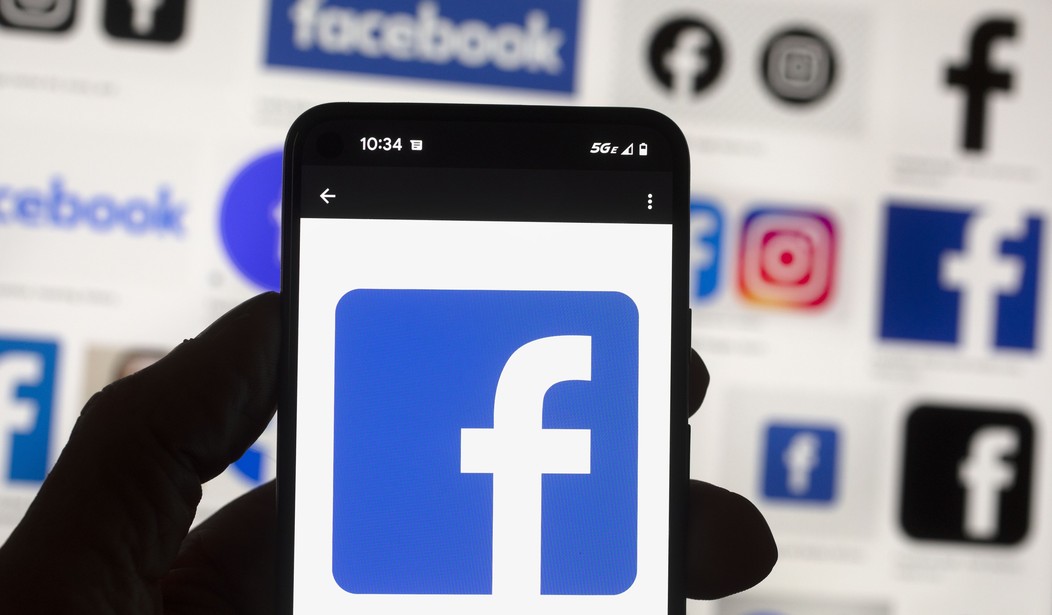
If you look at various social media platforms, you'll notice the presence of a "For You" page. TikTok, for instance, allows you and your friends to connect, but it's not the default screen; the "For You" page is, and that page feeds you an endless wave of dopamine-milking content. Elon Musk's X does the exact same thing. Instagram is probably the worst of the bunch, as its algorithms will frontload everything remotely addicting once you start up the app. You may scroll for a minute or two before you remotely see something from a friend or family member.
Today's social media platforms are no longer about human connection; it's about keeping you hooked with catered content. It's manipulative, addictive, and wildly unhealthy on many levels. There's a good reason why the people who run these social media platforms don't allow their families to engage in it themselves.
Now, in the age of AI, you're being fed cheaper and faster content, which might scratch the itch, but the issue is that it feels like slop, and that's because it is. It can sometimes reek of hollowness, and Brooks uses that exact word when describing how you feel while in the midst of the addiction.
The cure is boredom and spending, at a minimum, 15 minutes a day in the DMN. For many people, this is easier said than done, but like exercise helps your physical body, time in the DMN helps your mental health. It can break the dopamine addiction you have if you adhere to the practice, and as Brooks notes, you'll start becoming more satisfied with normal or mundane things, you'll feel less depressed, and your outlook on life will improve.
So put down the phone, go for a walk, don't bring headphones, and just be bored. Your brain will hate it... at first, but that's just the dopamine addiction talking.