








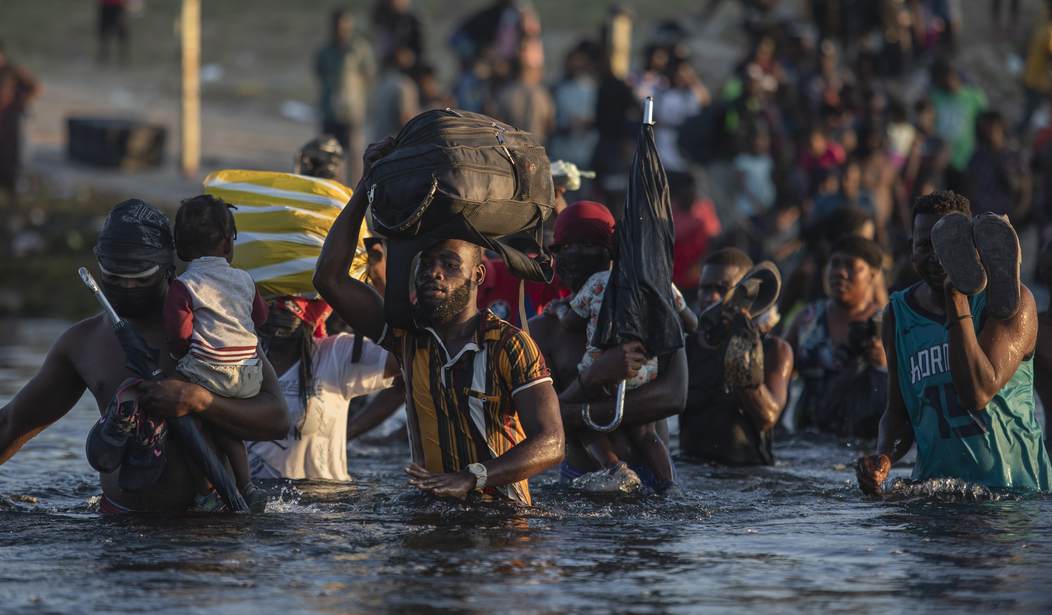
The first deportation flight carrying more than 160 people landed in Cap-Haïtien, Haiti, this week after the Trump administration ended Temporary Protected Status for roughly 350,000 Haitians. The main airport in Port-au-Prince remains too dangerous for regular flights because of ongoing gang control. This marks the practical start of enforcing a program that was always meant to be temporary.
Temporary Protected Status exists for people from countries facing temporary crises such as natural disasters or acute instability. It was never designed as a permanent pathway or open invitation. Haiti has endured years of political collapse, widespread gang violence, and deep economic failure. Extending protected status indefinitely turns a short-term shield into long-term settlement without the full process of legal immigration. The Supreme Court correctly recognized that the statute in question explicitly grants executive authority to end designations when conditions change — a fundamental separation-of-powers issue that courts and activists cannot rewrite.
Communities that received large numbers of these arrivals felt the pressure first. Schools, hospitals, and local services absorbed rapid population growth. Housing costs rose. Public resources stretched.
I actually feel for the Haitians as they were used by the evil elites to drive down wages and destroy the middle class. They should be offered a $5K check a a free ticket for self deportion which will give them 2 years of a high salary back in Haiti. If we have to come get them…
— Donald Henderson (@Love_Freedom69) June 29, 2025
ALSO SEE: Bye, Now: ICE Mounts Operations to Remove TPS Haitians From the United States
SCOTUS Hands Trump Major Immigration Win - Says Courts Can't Second-Guess Most TPS Decisions
American citizens, including veterans who served this country and people with genuine disabilities who depend on limited government support, often found themselves competing for the same programs. When government assistance flows more readily to recent arrivals than to those who earned it through service or face lifelong challenges, trust erodes. Priority should remain with citizens who built and defended the system.
🇺🇸 The first U.S. deportation flight to Haiti since the end of TPS protections has landed, carrying 161 people back to the country.
— NewsForce (@Newsforce) August 21, 2026
The ICE-chartered flight arrived in Cap-Haïtien after Haiti’s Temporary Protected Status ended, removing protections that had allowed hundreds of… https://t.co/t4H1uQgSg8 pic.twitter.com/ebDBdbW57r
Verification of who enters and what they contribute matters. Rapid-expansion programs and administrative backlogs create loopholes, leaving long-term impacts on local communities unvetted for long-term assimilation. Not every individual poses a problem, yet policy cannot rest on hope.
A nation has the right and duty to decide who joins its society based on clear standards rather than open-ended humanitarian claims. Haiti’s internal failures do not automatically create an obligation for American taxpayers to absorb the consequences forever.
Celebrity campaigns turned the issue into a moral crusade. High-profile voices demanded that the United States absorb more people from a country plagued by violence and dysfunction while offering little practical help to improve conditions there. The focus stayed on emotional appeals rather than measurable contribution or the capacity of American towns to absorb sudden change. That approach treats sovereignty as optional and ignores the costs paid by working families far from Hollywood or New York studios.
“U.S begins deportation flights to Haiti after the Trump administration ended temporary protections for about 350,000 Haitians.” https://t.co/1GDzUwyTXb pic.twitter.com/zZwUD833Oh
— Noble Savage (@nobl3savag3) August 20, 2026
Enforcing the end of Temporary Protected Status does not require cruelty. It requires consistency. People who received temporary protection knew the status could end. Self-deportation options and organized returns provide orderly paths. Continuing to look away only rewards the idea that temporary always becomes permanent. Other nations manage their borders and programs with clearer limits. The United States can do the same without apology.
Haiti must address its own governance and security failures. American policy that indefinitely substitutes for that responsibility helps neither country. Returning people whose temporary protection has expired upholds the law, protects limited resources for citizens, and signals that immigration remains a controlled process rather than an entitlement. That is the straightforward work of a government that puts its own people first.
Editor's Note: Do you enjoy RedState's conservative reporting that takes on the radical Left and woke media? Support our work so that we can continue to bring you the truth.
Join RedState VIP and use promo code FIGHT to receive 60% off your membership.

Join the Conversation
VIP members get the ability to comment on articles.