








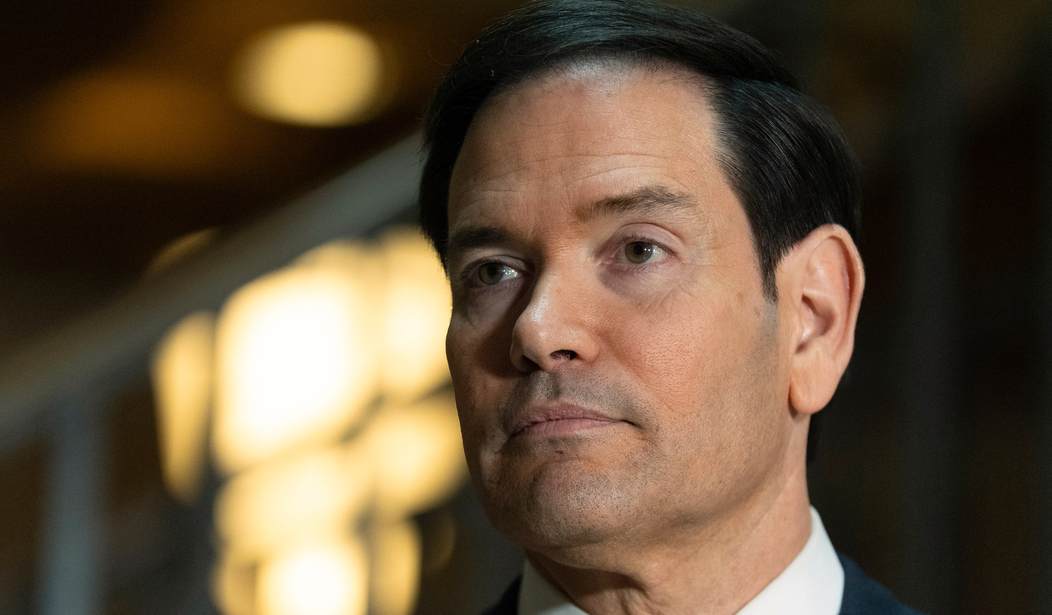
Secretary of State Marco Rubio's recent visit to India underscores a practical approach to foreign policy that prioritizes American interests through strong partnerships. In meetings with Prime Minister Narendra Modi and External Affairs Minister Subrahmanyam Jaishankar, Rubio focused on trade, energy, defense, and maritime security. The discussions aimed to ease recent tensions and move toward a bilateral trade agreement, building on earlier talks during Modi's visit to Washington.
This trip comes at a useful moment. Relations between Washington and New Delhi have faced strains, including over tariffs and differing views on certain global issues. Yet Rubio emphasized India's role as a key strategic partner. That framing makes sense. India offers a counterweight in the Indo-Pacific, shares concerns about regional stability, and represents a massive market for U.S. goods. Rubio's optimism about finalizing a trade deal reflects a focus on results rather than rhetoric.
One notable element was the inclusion of Quad meetings in New Delhi. The grouping of the United States, India, Japan, and Australia has proven valuable for coordinating on security and economic matters without the bureaucratic weight of larger, globalist alliances. Rubio's presence there signals continuity in promoting a free and open Indo-Pacific, an area where American leadership benefits from reliable partners like India, which are willing to pull their own weight.
SEE IT: Secretary of State Marco Rubio tours India during a high-level diplomatic trip focused on strengthening U.S.-India relations.
— Fox News (@FoxNews) May 25, 2026
The visit centers on defense, trade, and regional security as both countries deepen cooperation. pic.twitter.com/qiFCQ46rEp
Rubio's schedule highlights the sheer volume of high-stakes diplomacy resting on his shoulders. This India trip is just one of many demands on his time; even as he toured Jaipur’s Amber Fort, he was managing a phone line back to the administration’s negotiators. He is currently at the center of a high-wire act to secure a deal with Iran to end the recent conflict. Speaking to reporters Monday at Palam Air Base before departing New Delhi, Rubio noted that a deal could materialize "today," signaling that the U.S. is negotiating from a position of strength — demanding the reopening of the Strait of Hormuz and the surrender of enriched uranium.
Balancing these responsibilities requires focus and endurance. At this rate, Rubio might soon qualify for a call center job in India — he already seems to skip the traditional 3-to-4 a.m. downtime that most of us take for granted.
Serious question as Sec. of State Marco Rubio wraps his first official visit to India:
— Hany Girgis (@SanDiegoKnight) May 25, 2026
India just raised concerns with Rubio over recent H-1B, F-1, and J-1 visa reforms … pushing to protect open access for skilled workers.
Why would any nation want its “best and brightest”… https://t.co/p7P0GY4nLA
Serious question as Sec. of State Marco Rubio wraps his first official visit to India:
India just raised concerns with Rubio over recent H-1B, F-1, and J-1 visa reforms … pushing to protect open access for skilled workers.
Why would any nation want its “best and brightest” engineers, scientists, and innovators to keep leaving for America?
The substance of the India visit matters more than the jet lag. Trade talks addressed real frictions, with Rubio stressing mutual benefits. India has signaled interest in purchasing significant volumes of U.S. energy and other exports. Such deals create American jobs and reduce reliance on less dependable suppliers. On defense and maritime security, cooperation aligns with shared goals of keeping critical sea lanes open and deterring coercion in the region.
ALSO SEE: Rubio: Trump's New Visa Curbs Are America First, Not Anti-India
What stands out is the straightforward style. There were no grand ideological lectures, just meetings, site visits, and targeted discussions. Rubio described the United States as a welcoming country while addressing sensitivities, showing an ability to engage without compromising core positions. Jaishankar's reminder that India pursues its own national interests first mirrored an America First outlook in practice. Both sides appear to respect that realism.
U.S. Secretary of State Marco Rubio on Iran: "We're still a work in progress. We thought we might have some news last night, maybe today. So we have what I think is a pretty solid thing on the table in terms of their ability to open up the Strait, get the Straits open, enter into… pic.twitter.com/7qv1rWAnzI
— AZ Intel (@AZ_Intel_) May 25, 2026
This approach avoids the pitfalls of past administrations that sometimes treated alliances as one-way streets or let ideology cloud strategic judgment. Strengthening ties with India does not require ignoring differences, whether on trade balances or HB-1 or energy purchases from Russia. It means pursuing overlapping interests where they exist and negotiating firmly where they do not.
Rubio's work reflects a broader pattern in the current administration: deploying experienced diplomats to advance concrete outcomes. The Iran negotiations carry high stakes, with any agreement needing to address nuclear concerns and regional threats without repeating the "wishful thinking" of previous decades. Progress there, paired with steady alliance management in Asia, suggests a policy grounded in leverage and realism.
Challenges remain, of course. Trade deals take time to finalize, and geopolitical tensions rarely resolve neatly. Yet Rubio's efforts in Delhi demonstrate the value of persistent engagement. In a complex world, results come from showing up, making the case for American priorities, and building relationships that deliver for U.S. workers, security, and influence. That measured persistence serves the country well.
Editor’s Note: Thanks to President Trump and his administration’s bold leadership, we are respected on the world stage, and our enemies are being put on notice.
Help us continue to report on the administration’s peace through strength foreign policy and its successes. Join RedState VIP and use promo code FIGHT to receive 60% off your membership.


Join the Conversation
VIP members get the ability to comment on articles.